-
Shop
- Advanced Technologies
- AI Skills
- Bathroom
- Best-Sellers
- Car Accessories
- Confidence
- Dating & Social Skills
- Digital Resources
- AI & Technology
- Beauty
- Budgeting & Saving
- Car Buying & Ownership
- Cozy Feast Collection
- Electronics & Technology
- Entrepreneurship & Business Growth
- Financial Education
- Financial Independence
- Financial Mindset & Psychology
- Goal Setting
- Home Styling & Organization
- Kitchen & Recipes
- Leadership
- Mindfulness
- Mindset
- Online Business
- Parenting & Child Development
- Personal Style & Fashion
- Pet Lifestyle & Wellness
- Positive Thinking
- Sleep Improvement
- Smart Life with AI
- Stress Management & Relaxation
- Travel Planning
- Wellness
- Yoga & Fitness
- Yoga & Mind-Body Practices
- Education & Learning
- Family & Parenting
- Fashion
- Accessories
- Alexander McQueen
- Bags
- Bags & Wallets
- Balenciaga
- Belts
- Blazers
- Bottega Veneta
- Bottoms
- Brunello Cucinelli
- Burberry
- Chanel
- Chloé
- Dior
- Dolce & Gabbana
- Dresses
- Etro
- Fendi
- Gucci
- Hats & Hair Accessories
- Hoodies & Sweatshirts
- Jacquemus
- Jewelry
- Jil Sander
- Kiton
- Luggage
- Miu Miu
- Off-White
- Outerwear
- Prada
- Rick Owens
- Saint Laurent
- Shoes
- Socks & Tights
- Sweaters & Cardigans
- The Row
- Tom Ford
- Tops & Shirts
- Valentino
- Valentino Garavani
- Versace
- Vivienne Westwood
- Watches
- Fashion Accessories
- Furniture
- Gadgets
- Health & Beauty
- Health & Wellness
- Home & Garden
- Home Decor
- Home Electronics
- Home Supplies
- Kids & Babies
- Kitchen
- Kitchen Best-Sellers
- Lighting
- Patio, Lawn & Garden
- Personal Growth
- Pet Care
- Pet Supplies
- Pets
- Sport & Outdoors
- Super Deals
- Travel
- Travel & Adventure
- Wealth
- Popular
- Best deals
Best Free AI Trip Planners: Pick the Right Tool
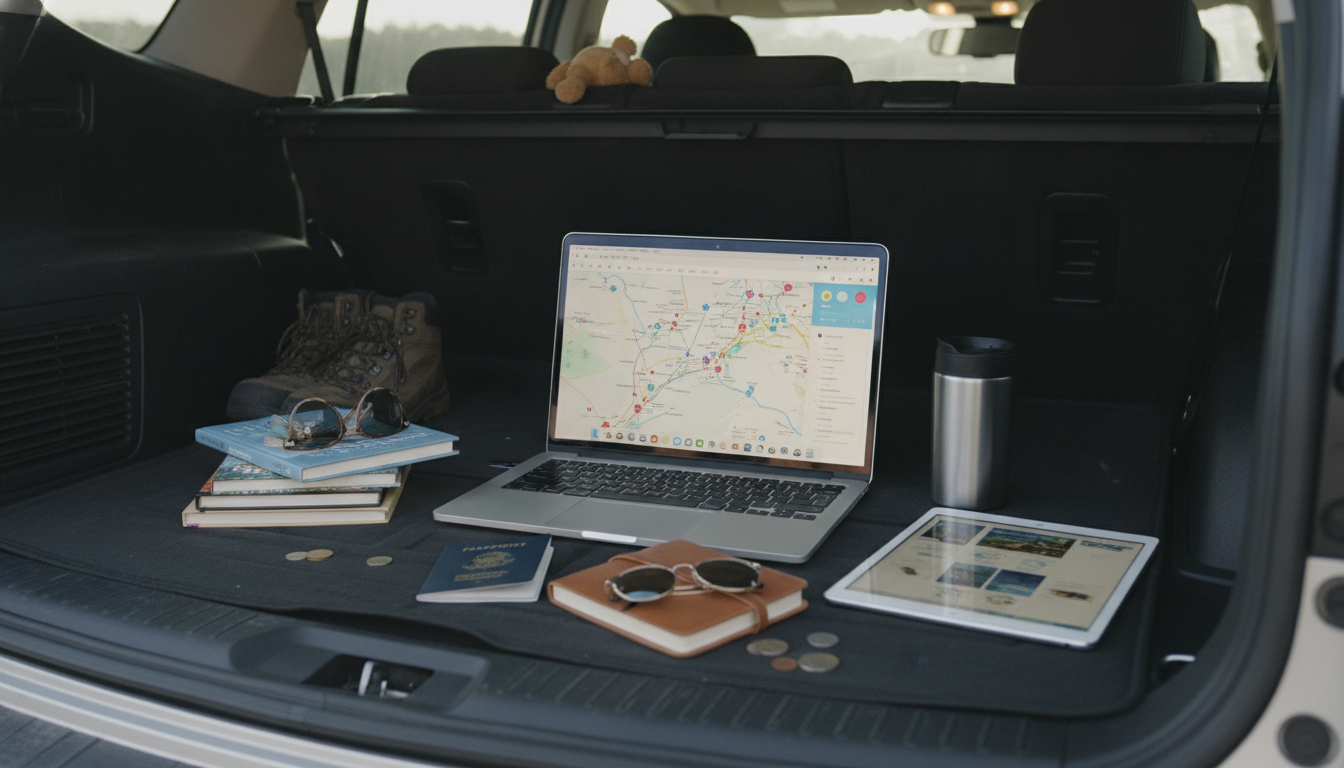
What is the best AI for trip planning free?
The best free AI for trip planning is the one that can quickly turn your dates, budget, and interests into a realistic itinerary while still letting you adjust details like transit time, opening hours, and pace. For many travelers, that means using a no-cost AI trip planner to draft the first version of a route and day-by-day plan, then refining it with maps, booking sites, and local info. The “best” option depends on whether priorities are speed, customization, collaboration, or destination coverage.
A strong free AI trip planner should handle the essentials: suggest attractions that match preferences, group stops by neighborhood to cut down travel time, estimate how long each activity takes, and offer alternatives when weather or closures change plans. Extra value comes from features like shared itineraries, packing reminders, and export options (calendar, map pins, or a simple checklist).
For a deeper breakdown of leading free tools and how they compare, see the full guide here: https://bestsellis.com/what-is-the-best-ai-for-trip-planning-free/.
How to choose a free AI trip planner that actually works
Start by testing how the tool responds to specifics. Provide the destination, trip length, lodging area (or a preferred neighborhood), and a few “must-dos.” If the AI returns a plan with excessive backtracking, unrealistic timing, or generic picks, it may not be a good fit. Also check whether it can revise only one day without rewriting the entire trip, and whether it can accommodate constraints like accessibility needs, kid-friendly pacing, dietary preferences, or low-cost activities.
What “free” really includes (and what it may limit)
Many planners are free to generate itineraries but reserve premium features—offline access, advanced collaboration, unlimited revisions, or integrated bookings—for paid tiers. A practical approach is to use the free version to build the trip skeleton (days, areas, highlights), then confirm hours and reservations separately. If a tool gates basic editing or exports, it may add friction right when finalizing plans.
FAQ
How do I turn an AI-generated itinerary into a realistic schedule?
Group activities by area, add buffer time for meals and transit, and verify opening hours and reservation requirements. Aim for fewer “big” stops per day and keep one flexible block to handle delays or spontaneous finds.















Leave a comment