-
Shop
- Advanced Technologies
- AI Skills
- Bathroom
- Best-Sellers
- Car Accessories
- Confidence
- Dating & Social Skills
- Digital Resources
- AI & Technology
- Beauty
- Budgeting & Saving
- Car Buying & Ownership
- Cozy Feast Collection
- Electronics & Technology
- Entrepreneurship & Business Growth
- Financial Education
- Financial Independence
- Financial Mindset & Psychology
- Goal Setting
- Home Styling & Organization
- Kitchen & Recipes
- Leadership
- Mindfulness
- Mindset
- Online Business
- Parenting & Child Development
- Personal Style & Fashion
- Pet Lifestyle & Wellness
- Positive Thinking
- Sleep Improvement
- Smart Life with AI
- Stress Management & Relaxation
- Travel Planning
- Wellness
- Yoga & Fitness
- Yoga & Mind-Body Practices
- Education & Learning
- Family & Parenting
- Fashion
- Accessories
- Alexander McQueen
- Bags
- Bags & Wallets
- Balenciaga
- Belts
- Blazers
- Bottega Veneta
- Bottoms
- Brunello Cucinelli
- Burberry
- Chanel
- Chloé
- Dior
- Dolce & Gabbana
- Dresses
- Etro
- Fendi
- Gucci
- Hats & Hair Accessories
- Hoodies & Sweatshirts
- Jacquemus
- Jewelry
- Jil Sander
- Kiton
- Luggage
- Miu Miu
- Off-White
- Outerwear
- Prada
- Rick Owens
- Saint Laurent
- Shoes
- Socks & Tights
- Sweaters & Cardigans
- The Row
- Tom Ford
- Tops & Shirts
- Valentino
- Valentino Garavani
- Versace
- Vivienne Westwood
- Watches
- Fashion Accessories
- Furniture
- Gadgets
- Health & Beauty
- Health & Wellness
- Home & Garden
- Home Decor
- Home Electronics
- Home Supplies
- Kids & Babies
- Kitchen
- Kitchen Best-Sellers
- Lighting
- Patio, Lawn & Garden
- Personal Growth
- Pet Care
- Pet Supplies
- Pets
- Sport & Outdoors
- Super Deals
- Travel
- Travel & Adventure
- Wealth
- Popular
- Best deals
AI-Powered Approach Explained: How It Works & Privacy
What is the AI-powered approach?
An AI-powered approach uses artificial intelligence to handle tasks that normally require human judgment—like recognizing patterns, spotting anomalies, understanding language, or making predictions—so decisions and actions can happen faster and more consistently. Instead of relying only on fixed rules (“if this, then that”), AI-powered systems learn from data and improve performance over time, especially when conditions change.
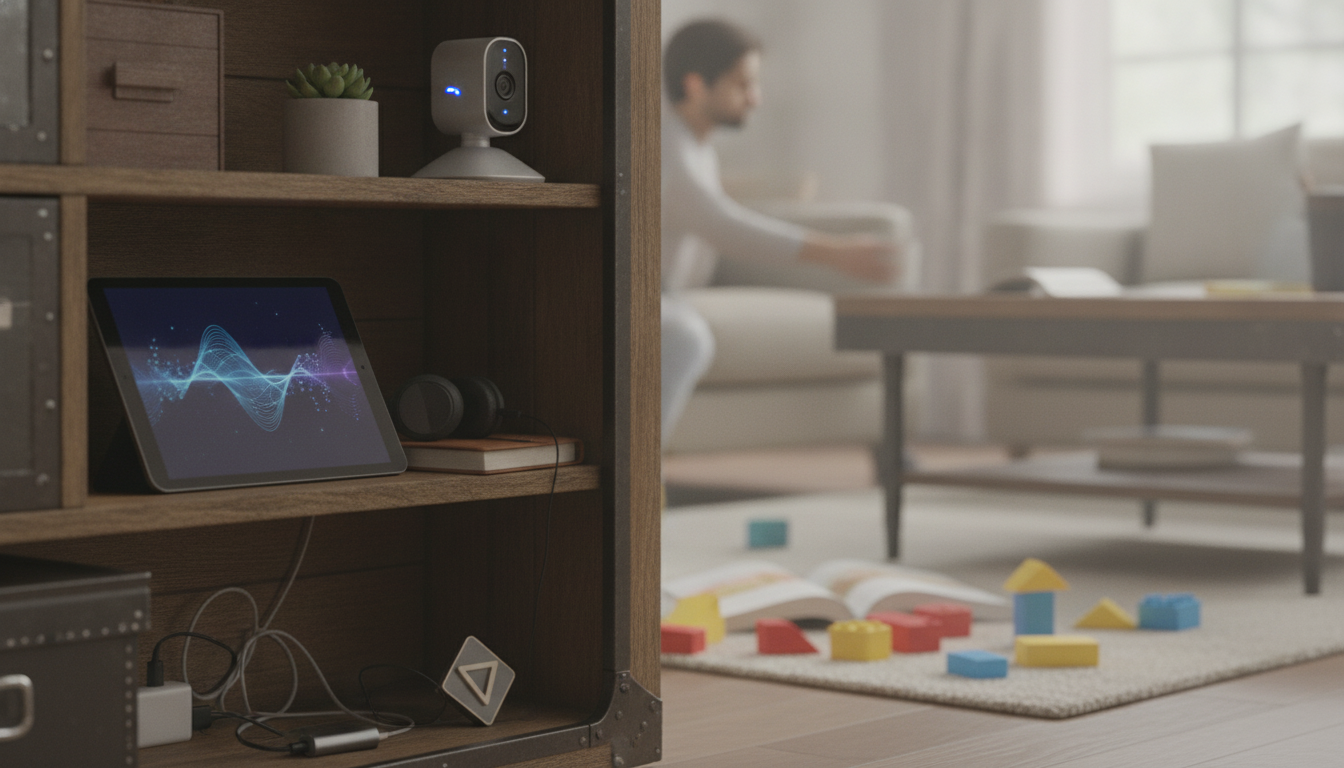
In everyday shopping and smart-home technology, “AI-powered” often shows up in features that interpret what’s happening, not just record it. For example, a smart security camera might flag “person detected” instead of simply detecting motion, reduce false alerts from pets or shadows, or prioritize events that look unusual.
How it works in practice
Most AI-powered products blend three layers:
- Data input: Video, audio, text, sensor signals, or user behavior.
- AI model: Software trained to classify, predict, or generate outputs (like recognizing faces or summarizing activity).
- Automation and controls: Actions taken based on the AI output—alerts, recommendations, access decisions, or workflows.
The “approach” part matters because it’s not just a feature—it affects how a device is designed, where processing happens (on-device vs. cloud), and how privacy and security are managed.
Why it matters for smart surveillance and privacy
AI can make monitoring more useful, but it can also increase sensitivity by extracting more meaning from the same footage. That’s why privacy choices—like local processing, strong encryption, limited retention, and clear permission settings—are a key part of an AI-powered setup.
For a practical, privacy-focused framework on AI-enabled cameras, see the full guide here: AI Camera Privacy Checklist for Safer Smart Surveillance.
FAQ
What exactly does AI powered mean?
“AI powered” means a product uses artificial intelligence to interpret data and produce smarter outputs than basic rule-based software. It typically learns from examples and can adapt to new situations, like distinguishing a person from general motion.
What is the difference between AI and AI powered?
AI refers to the broader field and technologies that enable machines to mimic intelligent behavior. “AI powered” describes a specific product or feature that applies AI in a practical way to deliver results, such as detection, prediction, or automated decision-making.
















Leave a comment