-
Shop
- Advanced Technologies
- AI Skills
- Bathroom
- Best-Sellers
- Car Accessories
- Confidence
- Dating & Social Skills
- Digital Resources
- AI & Technology
- Beauty
- Budgeting & Saving
- Car Buying & Ownership
- Cozy Feast Collection
- Electronics & Technology
- Entrepreneurship & Business Growth
- Financial Education
- Financial Independence
- Financial Mindset & Psychology
- Goal Setting
- Home Styling & Organization
- Kitchen & Recipes
- Leadership
- Mindfulness
- Mindset
- Online Business
- Parenting & Child Development
- Personal Style & Fashion
- Pet Lifestyle & Wellness
- Positive Thinking
- Sleep Improvement
- Smart Life with AI
- Stress Management & Relaxation
- Travel Planning
- Wellness
- Yoga & Fitness
- Yoga & Mind-Body Practices
- Education & Learning
- Family & Parenting
- Fashion
- Accessories
- Alexander McQueen
- Bags
- Bags & Wallets
- Balenciaga
- Belts
- Blazers
- Bottega Veneta
- Bottoms
- Brunello Cucinelli
- Burberry
- Chanel
- Chloé
- Dior
- Dolce & Gabbana
- Dresses
- Etro
- Fendi
- Gucci
- Hats & Hair Accessories
- Hoodies & Sweatshirts
- Jacquemus
- Jewelry
- Jil Sander
- Kiton
- Luggage
- Miu Miu
- Off-White
- Outerwear
- Prada
- Rick Owens
- Saint Laurent
- Shoes
- Socks & Tights
- Sweaters & Cardigans
- The Row
- Tom Ford
- Tops & Shirts
- Valentino
- Valentino Garavani
- Versace
- Vivienne Westwood
- Watches
- Fashion Accessories
- Furniture
- Gadgets
- Health & Beauty
- Health & Wellness
- Home & Garden
- Home Decor
- Home Electronics
- Home Supplies
- Kids & Babies
- Kitchen
- Kitchen Best-Sellers
- Lighting
- Patio, Lawn & Garden
- Personal Growth
- Pet Care
- Pet Supplies
- Pets
- Sport & Outdoors
- Super Deals
- Travel
- Travel & Adventure
- Wealth
- Popular
- Best deals
mm vs f on a Lens: Focal Length and Aperture
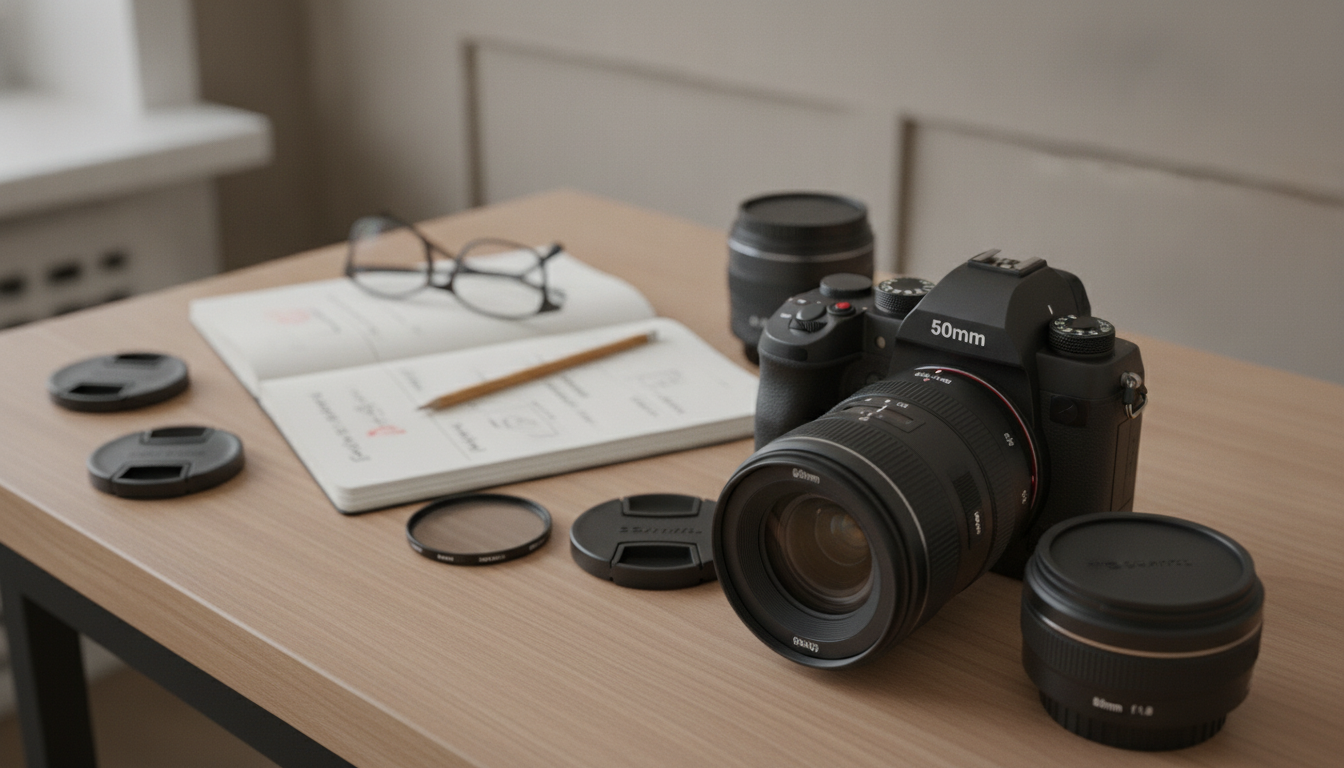
What is mm and f in a camera lens?
On a camera lens, “mm” and “f” describe two different things: how wide or close your view will look, and how much light the lens can let in. Understanding both makes it easier to choose a lens for portraits, landscapes, sports, or low-light shooting without guessing.
Answer: mm (millimeters) and f (f-number) explained
What “mm” means on a lens
“mm” stands for millimeters and refers to the lens’s focal length. Focal length affects angle of view and how large subjects appear in the frame. A smaller number (like 18mm or 24mm) captures a wider scene, while a larger number (like 85mm or 200mm) gives a tighter view and makes distant subjects look closer.
If a lens says 24–70mm, it’s a zoom lens that can change focal length across that range. If it says 50mm, it’s a prime lens with a fixed focal length.
What “f” means on a lens
“f” refers to the f-number (aperture), shown as something like f/1.8, f/2.8, or f/5.6. The f-number describes how wide the lens aperture can open. Lower f-numbers mean a wider opening, which lets in more light and can create stronger background blur (shallower depth of field). Higher f-numbers mean a smaller opening, which lets in less light and keeps more of the scene in focus.
How mm and f work together in real photos
Focal length (mm) sets the perspective and framing, while aperture (f) controls exposure options and depth of field. For example, 35mm f/1.8 is often used for everyday scenes and indoor shots, while 85mm f/1.8 is popular for portraits because it flatters facial features and blurs backgrounds easily.
For more detail and examples, visit the full guide here: https://bestsellis.com/what-is-mm-and-f-in-a-camera-lens/.
FAQ
What does a lower f-number mean on a camera lens?
A lower f-number (like f/1.8) means the aperture can open wider, letting in more light and producing a blurrier background compared to higher f-numbers.
Recommended for you
Revive Suede Shoes: Quick Steps to Restore the Nap
Jun 27, 2026













Leave a comment