-
Shop
- Advanced Technologies
- AI Skills
- Bathroom
- Best-Sellers
- Car Accessories
- Confidence
- Dating & Social Skills
- Digital Resources
- AI & Technology
- Beauty
- Budgeting & Saving
- Car Buying & Ownership
- Cozy Feast Collection
- Electronics & Technology
- Entrepreneurship & Business Growth
- Financial Education
- Financial Independence
- Financial Mindset & Psychology
- Goal Setting
- Home Styling & Organization
- Kitchen & Recipes
- Leadership
- Mindfulness
- Mindset
- Online Business
- Parenting & Child Development
- Personal Style & Fashion
- Pet Lifestyle & Wellness
- Positive Thinking
- Sleep Improvement
- Smart Life with AI
- Stress Management & Relaxation
- Travel Planning
- Wellness
- Yoga & Fitness
- Yoga & Mind-Body Practices
- Education & Learning
- Family & Parenting
- Fashion
- Accessories
- Alexander McQueen
- Bags
- Bags & Wallets
- Balenciaga
- Belts
- Blazers
- Bottega Veneta
- Bottoms
- Brunello Cucinelli
- Burberry
- Chanel
- Chloé
- Dior
- Dolce & Gabbana
- Dresses
- Etro
- Fendi
- Gucci
- Hats & Hair Accessories
- Hoodies & Sweatshirts
- Jacquemus
- Jewelry
- Jil Sander
- Kiton
- Luggage
- Miu Miu
- Off-White
- Outerwear
- Prada
- Rick Owens
- Saint Laurent
- Shoes
- Socks & Tights
- Sweaters & Cardigans
- The Row
- Tom Ford
- Tops & Shirts
- Valentino
- Valentino Garavani
- Versace
- Vivienne Westwood
- Watches
- Fashion Accessories
- Furniture
- Gadgets
- Health & Beauty
- Health & Wellness
- Home & Garden
- Home Decor
- Home Electronics
- Home Supplies
- Kids & Babies
- Kitchen
- Kitchen Best-Sellers
- Lighting
- Patio, Lawn & Garden
- Personal Growth
- Pet Care
- Pet Supplies
- Pets
- Sport & Outdoors
- Super Deals
- Travel
- Travel & Adventure
- Wealth
- Popular
- Best deals
Bidet Toilet Power Needs: Outlet, GFCI, Circuit Tips
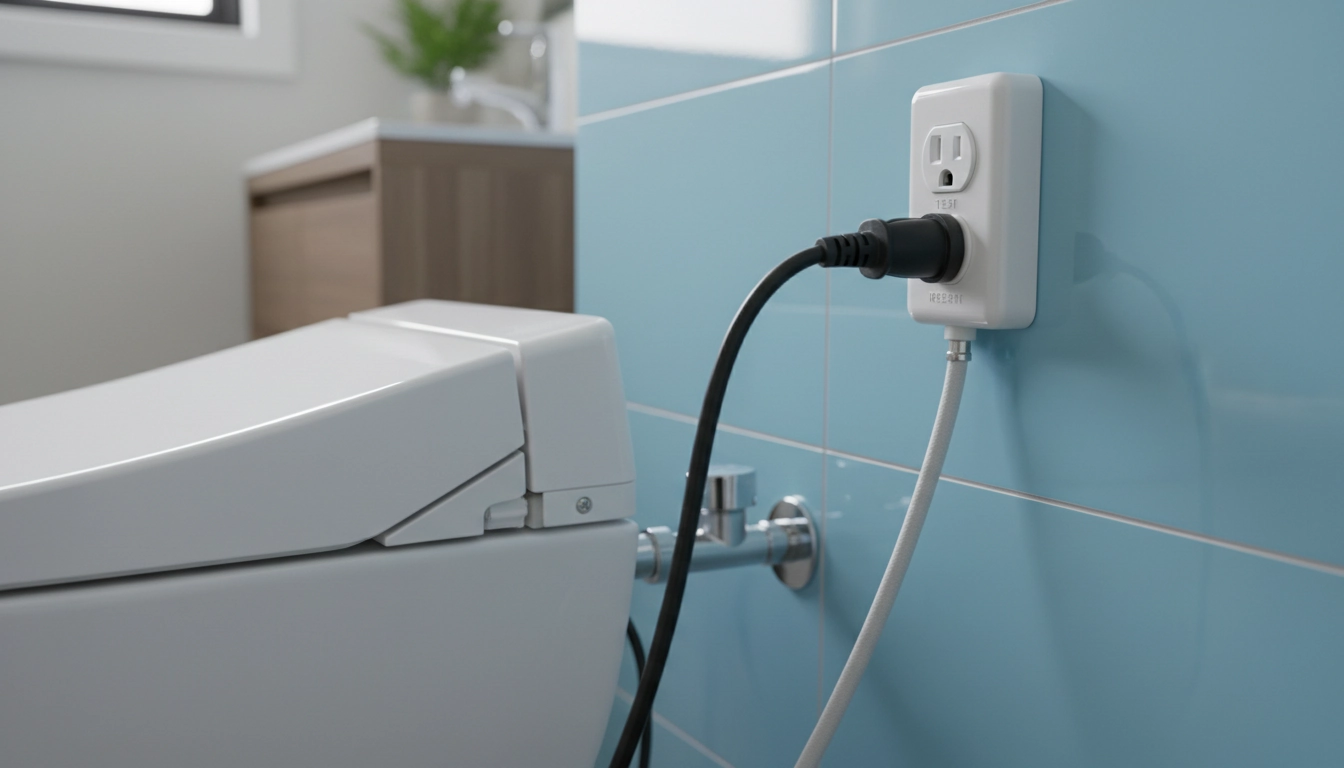
What electrical outlet and circuit requirements does a heated seat smart bidet toilet typically need?
Most heated-seat smart bidet toilets are designed to plug into a standard bathroom receptacle, but the exact requirements depend on the model’s heater, instant water-warming system, and drying fan. In many U.S. homes, that means a 120V outlet on a 15-amp or 20-amp branch circuit, with grounding and GFCI protection. Because these toilets combine several electrical features, it’s smart to confirm the manufacturer’s label and installation guide before purchase or rough-in.
Outlet type and placement
Typically, you’ll need a grounded 3-prong (NEMA 5-15) outlet. Many bathrooms already have a GFCI receptacle near the vanity, but smart bidet toilets often prefer an outlet positioned near the toilet—commonly on the side wall behind the unit—so the cord can reach without an extension cord. If your bathroom doesn’t have an outlet within reach, adding one is a common upgrade and may require an electrician to meet local code and safe-distance requirements.
GFCI protection is usually required
Because bathrooms are wet locations, GFCI protection is standard and often mandatory. If the receptacle isn’t a GFCI type, it can still be protected by a GFCI breaker upstream. Either way, the goal is shock protection in a high-moisture environment.
Circuit capacity and dedicated line considerations
Many smart bidet toilets work fine on a typical 15A or 20A bathroom circuit, but higher-powered models (especially those with instant water heating and warm-air drying) can draw significant current when multiple features run at once. If the bathroom circuit already powers other loads like hair dryers, heated flooring, or a space heater, nuisance tripping becomes more likely. In those situations, a dedicated 15A/20A circuit for the toilet is a practical solution, and sometimes recommended by manufacturers.
For a broader walkthrough of smart bidet toilet features and installation planning, see the complete guide here: https://bestsellis.com/guide-all-in-one-smart-bidet-toilet-auto-flush-heated-seat-air-drying/.
FAQ
Do smart bidet toilets need a dedicated circuit?
Not always, but it’s often recommended if the unit has instant heating and drying or if your bathroom circuit already carries other high-wattage devices. A dedicated circuit can reduce breaker trips and keep performance consistent.
Recommended for you



Raise Your Credit Score: 550 to 650 Fast
Aug 9, 2026













Leave a comment