-
Shop
- Advanced Technologies
- AI Skills
- Bathroom
- Best-Sellers
- Car Accessories
- Confidence
- Dating & Social Skills
- Digital Resources
- AI & Technology
- Beauty
- Budgeting & Saving
- Car Buying & Ownership
- Cozy Feast Collection
- Electronics & Technology
- Entrepreneurship & Business Growth
- Financial Education
- Financial Independence
- Financial Mindset & Psychology
- Goal Setting
- Home Styling & Organization
- Kitchen & Recipes
- Leadership
- Mindfulness
- Mindset
- Online Business
- Parenting & Child Development
- Personal Style & Fashion
- Pet Lifestyle & Wellness
- Positive Thinking
- Sleep Improvement
- Smart Life with AI
- Stress Management & Relaxation
- Travel Planning
- Wellness
- Yoga & Fitness
- Yoga & Mind-Body Practices
- Education & Learning
- Family & Parenting
- Fashion
- Accessories
- Alexander McQueen
- Bags
- Bags & Wallets
- Balenciaga
- Belts
- Blazers
- Bottega Veneta
- Bottoms
- Brunello Cucinelli
- Burberry
- Chanel
- Chloé
- Dior
- Dolce & Gabbana
- Dresses
- Etro
- Fendi
- Gucci
- Hats & Hair Accessories
- Hoodies & Sweatshirts
- Jacquemus
- Jewelry
- Jil Sander
- Kiton
- Luggage
- Miu Miu
- Off-White
- Outerwear
- Prada
- Rick Owens
- Saint Laurent
- Shoes
- Socks & Tights
- Sweaters & Cardigans
- The Row
- Tom Ford
- Tops & Shirts
- Valentino
- Valentino Garavani
- Versace
- Vivienne Westwood
- Watches
- Fashion Accessories
- Furniture
- Gadgets
- Health & Beauty
- Health & Wellness
- Home & Garden
- Home Decor
- Home Electronics
- Home Supplies
- Kids & Babies
- Kitchen
- Kitchen Best-Sellers
- Lighting
- Patio, Lawn & Garden
- Personal Growth
- Pet Care
- Pet Supplies
- Pets
- Sport & Outdoors
- Super Deals
- Travel
- Travel & Adventure
- Wealth
- Popular
- Best deals
Primary Eye Care Meaning: Basics for Dogs & Cats
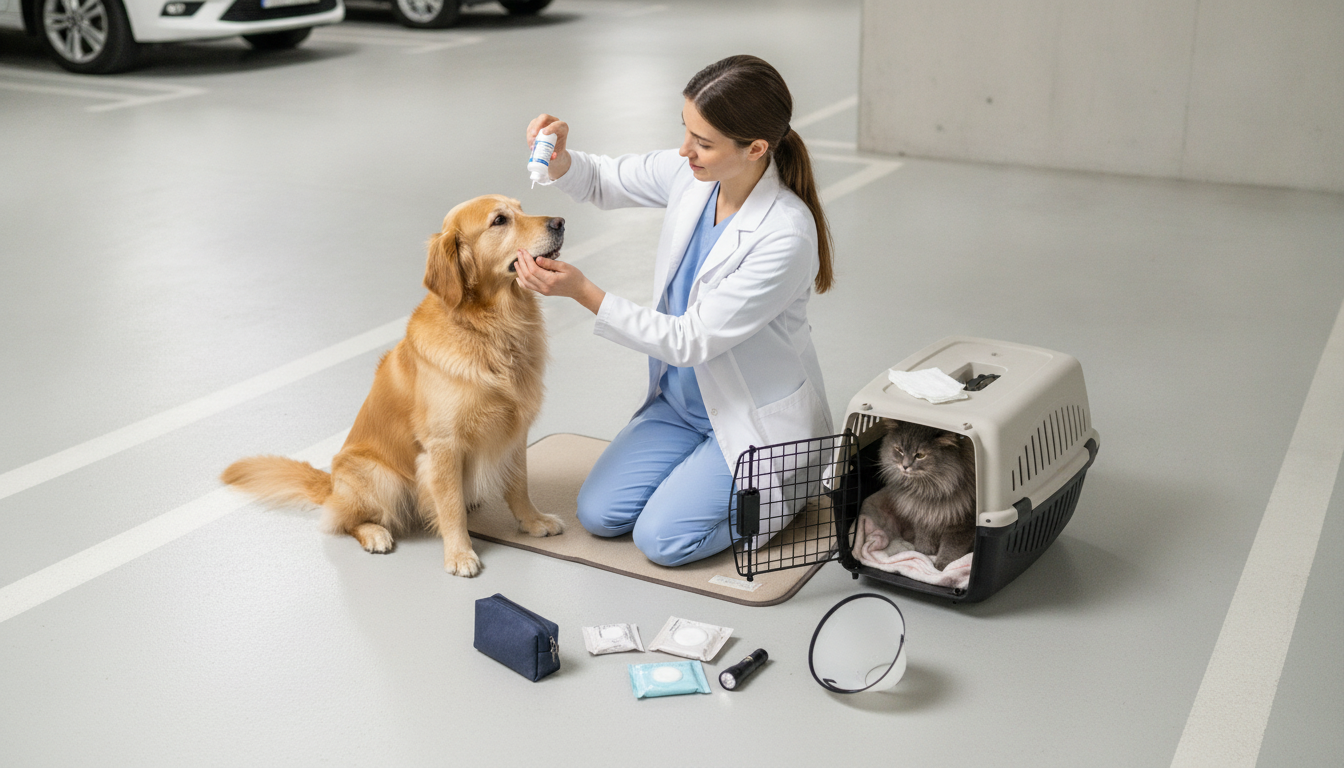
What does primary eye care mean?
Primary eye care means the first level of care for eye health—basic screening, early detection, routine treatment, and guidance on daily habits that protect the eyes. It’s the “front line” of eye care, focused on spotting problems early and addressing common issues before they become more serious.
What’s included in primary eye care?
Primary eye care typically includes a health history, vision-related checks, and an external eye assessment to look for redness, swelling, discharge, irritation, or injury. Depending on the setting, it can also include simple treatments (like recommending appropriate cleansing routines) and deciding when a problem needs advanced medical attention.
For pet owners, primary eye care often looks like consistent at-home maintenance paired with timely professional evaluation when anything seems off. Daily observation matters because changes around the eyes can happen quickly and may signal infection, allergies, trauma, or underlying illness.
Why primary eye care matters for dogs and cats
Healthy eyes support comfort, mobility, and overall quality of life. Primary eye care helps catch warning signs early—such as excessive tearing, unusual discharge, squinting, pawing at the eye, cloudiness, or persistent redness—so a veterinarian can treat the cause before complications develop.
It also reinforces safe routines: gentle cleaning, avoiding harsh products near the eyes, and keeping grooming tools and hands clean. If something looks painful or sudden (like a swollen eye or a closed eyelid), primary eye care means treating it as urgent rather than waiting to see if it resolves on its own.
Where to learn practical daily steps
For a simple, pet-focused approach to routine cleaning and red-flag symptoms, see this guide: daily eye care for dogs and cats (cleaning tips and warning signs). It’s a helpful companion to primary eye care because it supports prevention and early detection at home.
FAQ
What are signs my pet needs an eye check?
Watch for squinting, redness, swelling, thick discharge, cloudiness, or your pet rubbing at the eye. Sudden changes or signs of pain should be treated as urgent and evaluated by a veterinarian.
Recommended for you


Basic Eye Exam Checklist: What’s Included
Jul 28, 2026













Leave a comment