-
Shop
- Advanced Technologies
- AI Skills
- Bathroom
- Best-Sellers
- Car Accessories
- Confidence
- Dating & Social Skills
- Digital Resources
- AI & Technology
- Beauty
- Budgeting & Saving
- Car Buying & Ownership
- Cozy Feast Collection
- Electronics & Technology
- Entrepreneurship & Business Growth
- Financial Education
- Financial Independence
- Financial Mindset & Psychology
- Goal Setting
- Home Styling & Organization
- Kitchen & Recipes
- Leadership
- Mindfulness
- Mindset
- Online Business
- Parenting & Child Development
- Personal Style & Fashion
- Pet Lifestyle & Wellness
- Positive Thinking
- Sleep Improvement
- Smart Life with AI
- Stress Management & Relaxation
- Travel Planning
- Wellness
- Yoga & Fitness
- Yoga & Mind-Body Practices
- Education & Learning
- Family & Parenting
- Fashion
- Accessories
- Alexander McQueen
- Bags
- Bags & Wallets
- Balenciaga
- Belts
- Blazers
- Bottega Veneta
- Bottoms
- Brunello Cucinelli
- Burberry
- Chanel
- Chloé
- Dior
- Dolce & Gabbana
- Dresses
- Etro
- Fendi
- Gucci
- Hats & Hair Accessories
- Hoodies & Sweatshirts
- Jacquemus
- Jewelry
- Jil Sander
- Kiton
- Luggage
- Miu Miu
- Off-White
- Outerwear
- Prada
- Rick Owens
- Saint Laurent
- Shoes
- Socks & Tights
- Sweaters & Cardigans
- The Row
- Tom Ford
- Tops & Shirts
- Valentino
- Valentino Garavani
- Versace
- Vivienne Westwood
- Watches
- Fashion Accessories
- Furniture
- Gadgets
- Health & Beauty
- Health & Wellness
- Home & Garden
- Home Decor
- Home Electronics
- Home Supplies
- Kids & Babies
- Kitchen
- Kitchen Best-Sellers
- Lighting
- Patio, Lawn & Garden
- Personal Growth
- Pet Care
- Pet Supplies
- Pets
- Sport & Outdoors
- Super Deals
- Travel
- Travel & Adventure
- Wealth
- Popular
- Best deals
What Do Parents Help Their Kids With? Everyday Skills
What Do Parents Help Their Kids With?
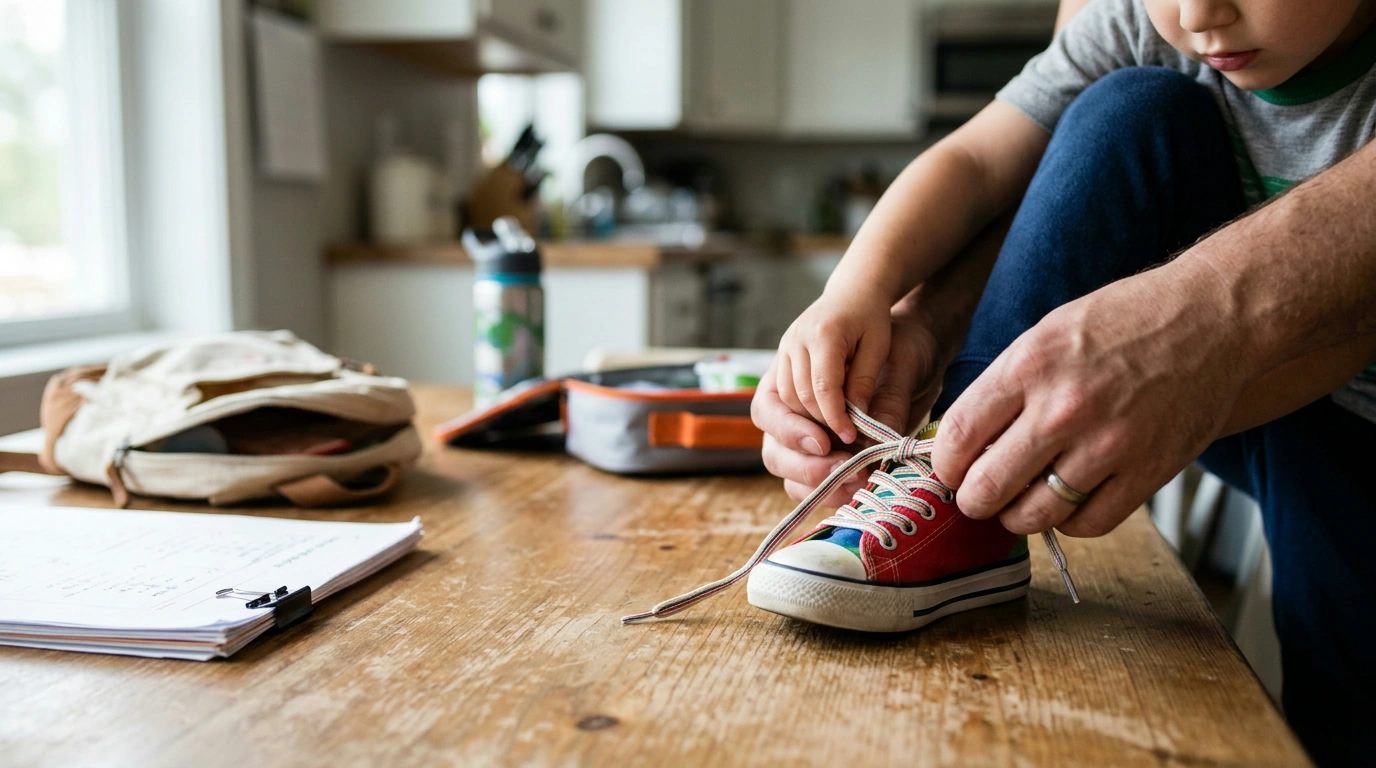
Parents help kids learn the everyday skills they’ll eventually use on their own. That includes getting dressed, caring for their belongings, following routines, handling big feelings, and making safe choices. The goal isn’t to do everything for your child. It’s to offer the right amount of help while they practice.
Building Daily Routines
Young kids often need help remembering what comes next. A short, consistent sequence can make mornings, after-school time, and evenings easier to manage. You might put shoes by the door, keep a toothbrush within reach, or use a simple checklist your child can follow. Start with one step they can do reliably, then add another when they’re ready.
Our team favors tools that make a task easier to start without taking it over. A low hook for a backpack or a basket for school supplies gives your child a clear place to put things. Choose items your child can reach and use safely, and keep the setup simple enough to maintain on a busy day. For more ways to build routines gradually, read our guide to helping kids build daily habits one step at a time.
Learning Skills and Solving Problems
Parents also help kids break unfamiliar tasks into manageable parts. You can demonstrate how to zip a jacket, pack a bag, or clean up a spill, then let your child try. If they get stuck, offer a hint or help with the hardest part rather than restarting the whole task for them. Practice may take longer at first, but it gives your child a chance to learn.
The same approach works with decisions. Offer two appropriate choices, explain any firm boundaries, and let your child take responsibility for the choice they make. When a plan doesn’t work, ask what they could try next. Your support helps them build confidence without expecting them to figure everything out alone.
Feelings, Relationships, and Safety
Kids need help naming feelings, calming down, and speaking up respectfully. You can listen, acknowledge what they’re feeling, and show them how to ask for help or make amends. Parents also set limits around hazards and teach age-appropriate safety habits, such as staying close in a parking lot. As kids grow, those conversations and responsibilities can grow with them.
FAQ
How can you help a child become more independent?
Give your child one manageable responsibility, show them how to do it, and leave time for practice. Step in for safety or when they truly need help, then gradually reduce your support as the skill becomes familiar.
Recommended for you



When Your Child Shuts Down: How to Help
Oct 25, 2026













Leave a comment