-
Shop
- Advanced Technologies
- AI Skills
- Bathroom
- Best-Sellers
- Car Accessories
- Confidence
- Dating & Social Skills
- Digital Resources
- AI & Technology
- Beauty
- Budgeting & Saving
- Car Buying & Ownership
- Cozy Feast Collection
- Electronics & Technology
- Entrepreneurship & Business Growth
- Financial Education
- Financial Independence
- Financial Mindset & Psychology
- Goal Setting
- Home Styling & Organization
- Kitchen & Recipes
- Leadership
- Mindfulness
- Mindset
- Online Business
- Parenting & Child Development
- Personal Style & Fashion
- Pet Lifestyle & Wellness
- Positive Thinking
- Sleep Improvement
- Smart Life with AI
- Stress Management & Relaxation
- Travel Planning
- Wellness
- Yoga & Fitness
- Yoga & Mind-Body Practices
- Education & Learning
- Family & Parenting
- Fashion
- Accessories
- Alexander McQueen
- Bags
- Bags & Wallets
- Balenciaga
- Belts
- Blazers
- Bottega Veneta
- Bottoms
- Brunello Cucinelli
- Burberry
- Chanel
- Chloé
- Dior
- Dolce & Gabbana
- Dresses
- Etro
- Fendi
- Gucci
- Hats & Hair Accessories
- Hoodies & Sweatshirts
- Jacquemus
- Jewelry
- Jil Sander
- Kiton
- Luggage
- Miu Miu
- Off-White
- Outerwear
- Prada
- Rick Owens
- Saint Laurent
- Shoes
- Socks & Tights
- Sweaters & Cardigans
- The Row
- Tom Ford
- Tops & Shirts
- Valentino
- Valentino Garavani
- Versace
- Vivienne Westwood
- Watches
- Fashion Accessories
- Furniture
- Gadgets
- Health & Beauty
- Health & Wellness
- Home & Garden
- Home Decor
- Home Electronics
- Home Supplies
- Kids & Babies
- Kitchen
- Kitchen Best-Sellers
- Lighting
- Patio, Lawn & Garden
- Personal Growth
- Pet Care
- Pet Supplies
- Pets
- Sport & Outdoors
- Super Deals
- Travel
- Travel & Adventure
- Wealth
- Popular
- Best deals
Top 10 Biggest Wastes of Money at Home
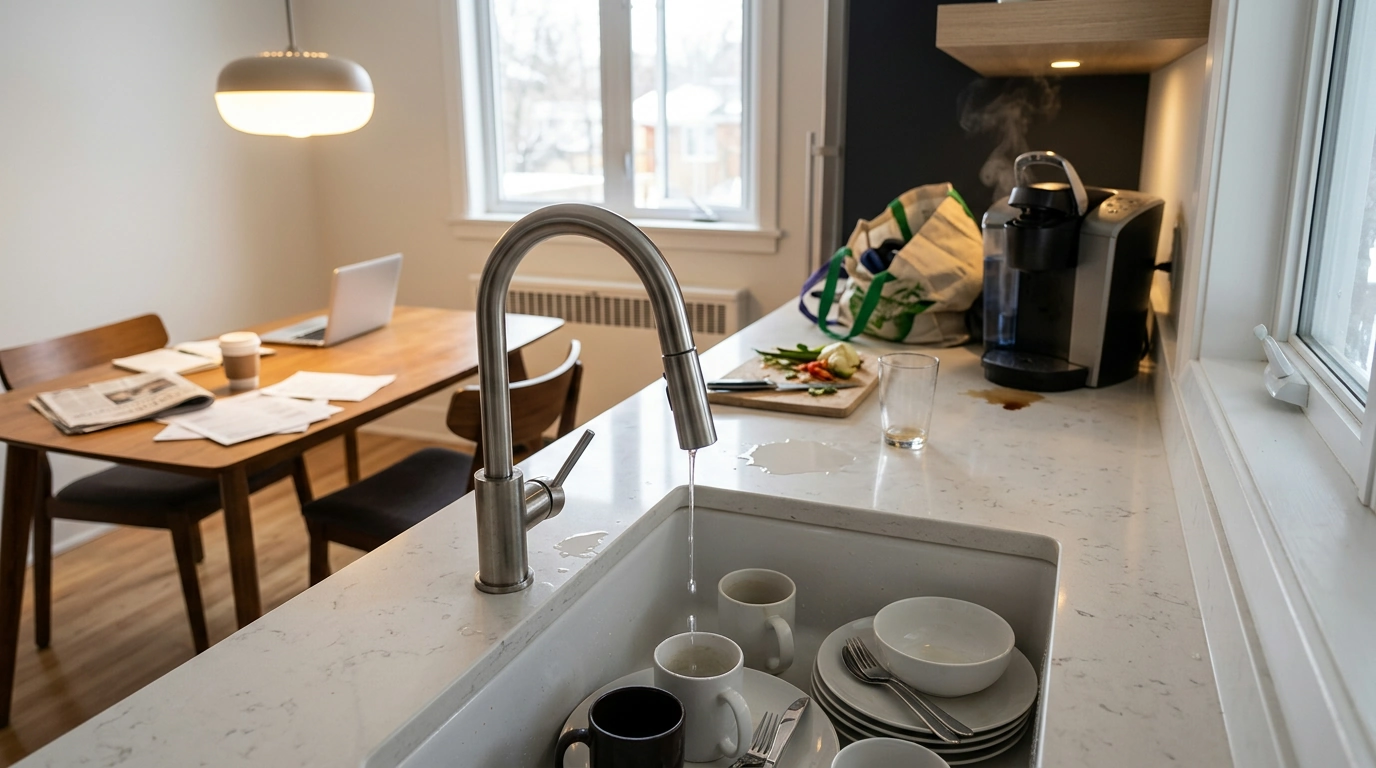
What are the top 10 biggest wastes of money?
The biggest wastes of money are purchases that cost more than the value or convenience they deliver. For your home, that often means paying for a quick fix, an unused feature, or a product that does not solve the problem. Our team recommends starting with what you use every day and choosing upgrades that make those routines easier.
1. Impulse purchases without a purpose
A sale is not a saving if the item ends up in a closet. Before buying décor or a gadget, decide where it will go and what job it will do. A simple shopping list can help you distinguish a useful find from a tempting extra.
2. Subscriptions you rarely use
Streaming services, apps, and delivery memberships can quietly add up. Review recurring charges regularly and cancel or pause the ones you are not using enough to justify their cost.
3. Cheap replacements that wear out quickly
The lowest upfront price is not always the best value. For frequently used items such as storage bins, lamps, and small appliances, prioritize sturdy materials and dependable construction over a bargain that may need replacing soon.
4. Oversized furniture for a small room
A bulky sofa or table can make a room harder to use, even if it looks appealing on the showroom floor. Measure the room, doorways, and walking paths before you buy, and leave enough clearance to move comfortably.
5. Decorative items that create clutter
Too many accents can crowd surfaces and make cleaning more difficult. Choose a few pieces you enjoy and give them space, rather than filling every shelf simply because it is empty.
6. Specialized gadgets with limited use
Single-purpose tools can be helpful, but only when you use them often. If a multipurpose kitchen tool or household item already handles the task, you may not need another product taking up space.
7. Lighting that does not suit the room
A stylish fixture can still disappoint if it leaves you squinting. Match lighting to the activity: use focused task lighting for reading or cooking and softer ambient lighting for relaxed spaces.
8. Storage bought before decluttering
More containers will not fix an excess of belongings. Sort what you own first, then measure the available space and buy storage that fits the items you intend to keep.
9. Paying for features you will not use
10. Replacing what a small adjustment could improve
Sometimes rearranging furniture, adding a lamp, or moving a frequently used item within reach makes a room more comfortable without a major purchase. Explore our guide to no-renovation home upgrades for practical ways to improve your layout, lighting, and comfort.
FAQ
How can you avoid unnecessary home purchases?
Start with a specific problem, set a budget, and measure the space before shopping. Our team also recommends waiting a day on nonessential purchases so you can decide whether you still want them.
Recommended for you



10 Home Upgrades That May Not Be Worth the Cost
Nov 20, 2026
Home Upgrades to Avoid for a More Comfortable Space
Nov 20, 2026













Leave a comment