-
Shop
- Advanced Technologies
- AI Skills
- Bathroom
- Best-Sellers
- Car Accessories
- Confidence
- Dating & Social Skills
- Digital Resources
- AI & Technology
- Beauty
- Budgeting & Saving
- Car Buying & Ownership
- Cozy Feast Collection
- Electronics & Technology
- Entrepreneurship & Business Growth
- Financial Education
- Financial Independence
- Financial Mindset & Psychology
- Goal Setting
- Home Styling & Organization
- Kitchen & Recipes
- Leadership
- Mindfulness
- Mindset
- Online Business
- Parenting & Child Development
- Personal Style & Fashion
- Pet Lifestyle & Wellness
- Positive Thinking
- Sleep Improvement
- Smart Life with AI
- Stress Management & Relaxation
- Travel Planning
- Wellness
- Yoga & Fitness
- Yoga & Mind-Body Practices
- Education & Learning
- Family & Parenting
- Fashion
- Accessories
- Alexander McQueen
- Bags
- Bags & Wallets
- Balenciaga
- Belts
- Blazers
- Bottega Veneta
- Bottoms
- Brunello Cucinelli
- Burberry
- Chanel
- Chloé
- Dior
- Dolce & Gabbana
- Dresses
- Etro
- Fendi
- Gucci
- Hats & Hair Accessories
- Hoodies & Sweatshirts
- Jacquemus
- Jewelry
- Jil Sander
- Kiton
- Luggage
- Miu Miu
- Off-White
- Outerwear
- Prada
- Rick Owens
- Saint Laurent
- Shoes
- Socks & Tights
- Sweaters & Cardigans
- The Row
- Tom Ford
- Tops & Shirts
- Valentino
- Valentino Garavani
- Versace
- Vivienne Westwood
- Watches
- Fashion Accessories
- Furniture
- Gadgets
- Health & Beauty
- Health & Wellness
- Home & Garden
- Home Decor
- Home Electronics
- Home Supplies
- Kids & Babies
- Kitchen
- Kitchen Best-Sellers
- Lighting
- Patio, Lawn & Garden
- Personal Growth
- Pet Care
- Pet Supplies
- Pets
- Sport & Outdoors
- Super Deals
- Travel
- Travel & Adventure
- Wealth
- Popular
- Best deals
Microfiber Towel Disadvantages: What to Know
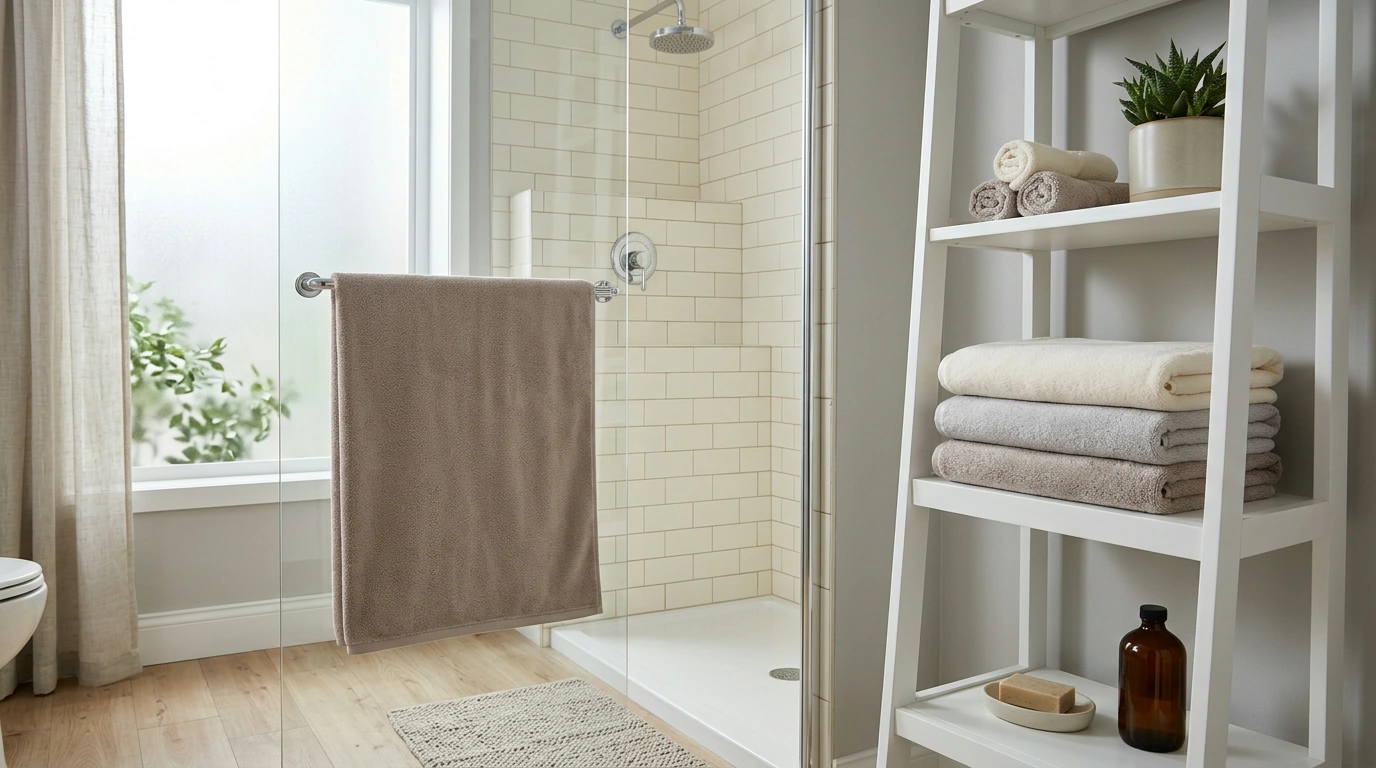
What are the disadvantages of microfiber towels?
Microfiber towels can be lightweight, quick-drying, and convenient, but they do not feel or perform quite like cotton. Their main drawbacks include a synthetic feel, sensitivity to laundry products and heat, and the potential to shed tiny plastic fibers. Depending on the towel’s construction, you may also find that it handles water differently than you expect.
Do microfiber towels feel different from cotton?
Yes. Some microfiber towels have a smooth, suede-like surface, while others have a plush pile. Even plush microfiber can feel less like a traditional cotton bath towel. Some people also notice a slight grabbing sensation against dry or rough skin.
If you prefer a thick, fluffy towel for wrapping up after a shower, cotton may feel more familiar. Microfiber can be a better fit when you want a compact towel that takes up less room in a bag or linen closet.
Are microfiber towels less absorbent?
Not necessarily, but absorbency varies. A well-made microfiber towel can pick up plenty of water, although some styles work best when you blot rather than rub. A thin travel towel may also feel saturated sooner than a thick bath towel, even if it dries quickly afterward.
Our team recommends choosing a texture and thickness that suit how you dry off. For a closer look at a bath towel set, see our 4-piece microfiber bath towel set guide.
Do microfiber towels need special care?
They benefit from a little extra attention in the laundry. Fabric softener and dryer sheets can coat the fibers and reduce their ability to absorb water. High heat can also damage synthetic fibers, so follow the towel’s care instructions and use a low dryer setting when appropriate.
Microfiber can attract lint from other fabrics, too. Washing it with similar lint-free items can help keep the towel feeling clean and performing well.
What about environmental impact?
Microfiber towels are commonly made from synthetic materials such as polyester and polyamide. They can shed tiny plastic fibers during washing, and those fibers may enter waterways. A laundry filter or a washing bag designed to capture microfibers can help reduce shedding into wastewater, though neither eliminates it completely.
We recommend weighing these trade-offs against your priorities: microfiber’s compact size and quick drying may be useful, while cotton may be preferable if you want a natural-fiber feel.
FAQ
How can you keep microfiber towels soft?
Wash them according to their care instructions, skip fabric softener, and avoid high dryer heat. Washing them separately from lint-producing fabrics can also help maintain their texture.
Recommended for you



Are Microfiber Bath Towels Any Good? Pros and Cons
Nov 20, 2026
15 vs 20 Bar Espresso Machines: Which Is Better?
Nov 20, 2026













Leave a comment