-
Shop
- Advanced Technologies
- AI Skills
- Bathroom
- Best-Sellers
- Car Accessories
- Confidence
- Dating & Social Skills
- Digital Resources
- AI & Technology
- Beauty
- Budgeting & Saving
- Car Buying & Ownership
- Cozy Feast Collection
- Electronics & Technology
- Entrepreneurship & Business Growth
- Financial Education
- Financial Independence
- Financial Mindset & Psychology
- Goal Setting
- Home Styling & Organization
- Kitchen & Recipes
- Leadership
- Mindfulness
- Mindset
- Online Business
- Parenting & Child Development
- Personal Style & Fashion
- Pet Lifestyle & Wellness
- Positive Thinking
- Sleep Improvement
- Smart Life with AI
- Stress Management & Relaxation
- Travel Planning
- Wellness
- Yoga & Fitness
- Yoga & Mind-Body Practices
- Education & Learning
- Family & Parenting
- Fashion
- Accessories
- Alexander McQueen
- Bags
- Bags & Wallets
- Balenciaga
- Belts
- Blazers
- Bottega Veneta
- Bottoms
- Brunello Cucinelli
- Burberry
- Chanel
- Chloé
- Dior
- Dolce & Gabbana
- Dresses
- Etro
- Fendi
- Gucci
- Hats & Hair Accessories
- Hoodies & Sweatshirts
- Jacquemus
- Jewelry
- Jil Sander
- Kiton
- Luggage
- Miu Miu
- Off-White
- Outerwear
- Prada
- Rick Owens
- Saint Laurent
- Shoes
- Socks & Tights
- Sweaters & Cardigans
- The Row
- Tom Ford
- Tops & Shirts
- Valentino
- Valentino Garavani
- Versace
- Vivienne Westwood
- Watches
- Fashion Accessories
- Furniture
- Gadgets
- Health & Beauty
- Health & Wellness
- Home & Garden
- Home Decor
- Home Electronics
- Home Supplies
- Kids & Babies
- Kitchen
- Kitchen Best-Sellers
- Lighting
- Patio, Lawn & Garden
- Personal Growth
- Pet Care
- Pet Supplies
- Pets
- Sport & Outdoors
- Super Deals
- Travel
- Travel & Adventure
- Wealth
- Popular
- Best deals
Best Beginner Balcony Garden Plants
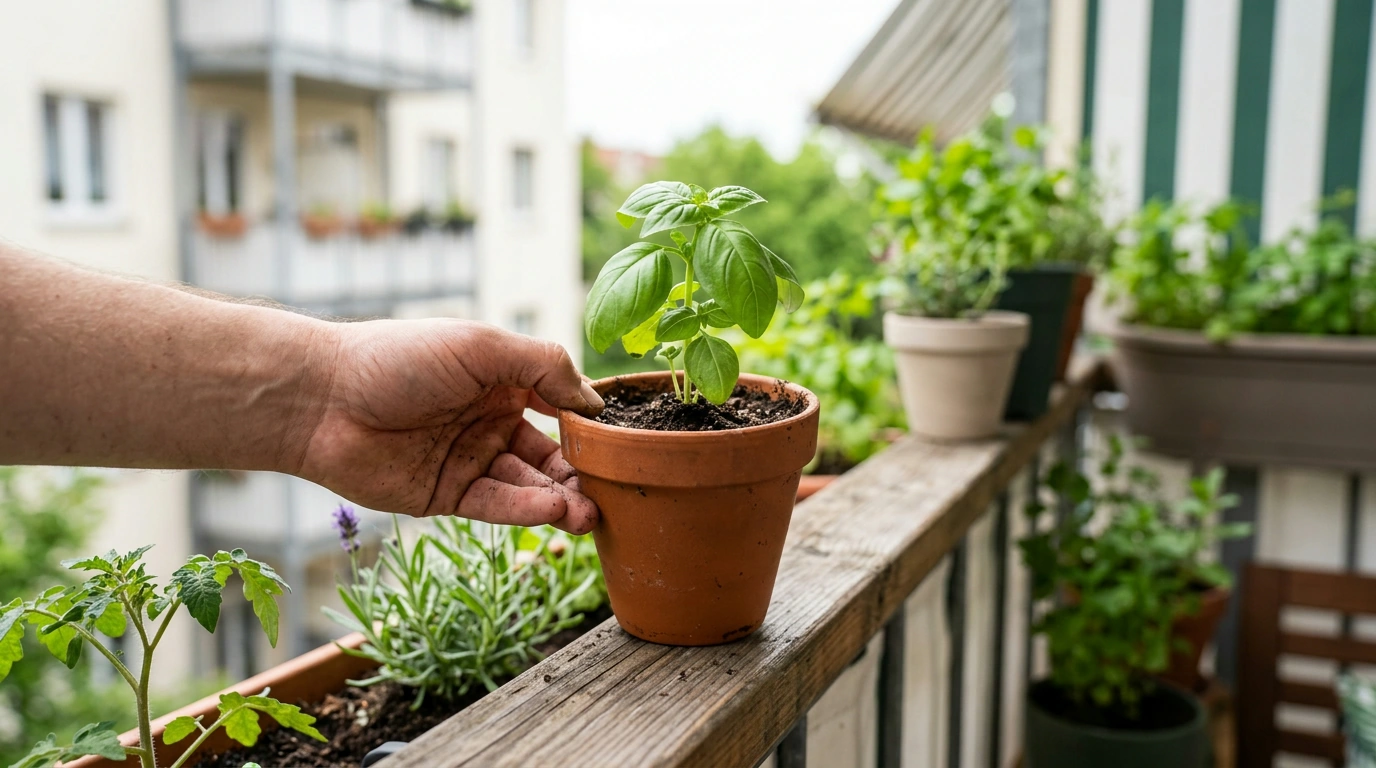
What are some good plants for a beginner balcony garden?
Herbs, leafy greens, and flowering annuals are excellent starting points for a balcony garden. They grow well in containers, offer a quick reward, and let you learn how much sun and water your space receives. Our team recommends starting with a few plants rather than filling every available inch.
Which herbs are easiest to grow in containers?
Basil, chives, and parsley are useful choices for a kitchen garden. Basil prefers warmth and plenty of sun, while chives and parsley can tolerate some shade. Mint is also beginner-friendly, but give it a pot of its own because its roots spread vigorously.
Choose containers with drainage holes, and harvest a few leaves at a time to encourage fresh growth. Bring tender basil indoors before cold weather arrives.
What vegetables work well on a balcony?
Leaf lettuce, arugula, and radishes are compact crops that can grow in moderately sized containers. Lettuce and arugula appreciate cooler weather and can handle partial shade. Radishes grow quickly, making them a satisfying first project.
If your balcony gets at least six hours of direct sun, try a compact patio tomato or a pepper plant. Give each plant a roomy pot and support tomatoes with a small cage or stake. Containers dry out quickly in hot weather, so check the soil regularly.
Which flowers add color with little fuss?
Marigolds and nasturtiums are cheerful choices for sunny balconies. Nasturtiums can spill over a railing planter, while marigolds stay relatively compact. For a shadier spot, consider impatiens or begonias. Remove faded flowers as needed to keep plants tidy and encourage more blooms.
How should you set up your first containers?
Observe your balcony’s direct sunlight before shopping, then match plants to those conditions. Use potting mix rather than garden soil, and place saucers under pots to protect the surface below. Water when the top inch of soil feels dry, adjusting for the plant and weather.
Secure railing planters, keep walkways clear, and consider your balcony’s weight limits before adding large containers. For more ideas, explore our beginner’s guide to small-space gardening.
FAQ
How often should you water balcony plants?
Check the soil regularly and water most plants when the top inch feels dry. Hot, windy weather can dry containers quickly, so they may need water more often in summer.
Recommended for you


Best Vegetables to Grow in a Balcony Garden
Nov 20, 2026













Leave a comment