-
Shop
- Advanced Technologies
- AI Skills
- Bathroom
- Best-Sellers
- Car Accessories
- Confidence
- Dating & Social Skills
- Digital Resources
- AI & Technology
- Beauty
- Budgeting & Saving
- Car Buying & Ownership
- Cozy Feast Collection
- Electronics & Technology
- Entrepreneurship & Business Growth
- Financial Education
- Financial Independence
- Financial Mindset & Psychology
- Goal Setting
- Home Styling & Organization
- Kitchen & Recipes
- Leadership
- Mindfulness
- Mindset
- Online Business
- Parenting & Child Development
- Personal Style & Fashion
- Pet Lifestyle & Wellness
- Positive Thinking
- Sleep Improvement
- Smart Life with AI
- Stress Management & Relaxation
- Travel Planning
- Wellness
- Yoga & Fitness
- Yoga & Mind-Body Practices
- Education & Learning
- Family & Parenting
- Fashion
- Accessories
- Alexander McQueen
- Bags
- Bags & Wallets
- Balenciaga
- Belts
- Blazers
- Bottega Veneta
- Bottoms
- Brunello Cucinelli
- Burberry
- Chanel
- Chloé
- Dior
- Dolce & Gabbana
- Dresses
- Etro
- Fendi
- Gucci
- Hats & Hair Accessories
- Hoodies & Sweatshirts
- Jacquemus
- Jewelry
- Jil Sander
- Kiton
- Luggage
- Miu Miu
- Off-White
- Outerwear
- Prada
- Rick Owens
- Saint Laurent
- Shoes
- Socks & Tights
- Sweaters & Cardigans
- The Row
- Tom Ford
- Tops & Shirts
- Valentino
- Valentino Garavani
- Versace
- Vivienne Westwood
- Watches
- Fashion Accessories
- Furniture
- Gadgets
- Health & Beauty
- Health & Wellness
- Home & Garden
- Home Decor
- Home Electronics
- Home Supplies
- Kids & Babies
- Kitchen
- Kitchen Best-Sellers
- Lighting
- Patio, Lawn & Garden
- Personal Growth
- Pet Care
- Pet Supplies
- Pets
- Sport & Outdoors
- Super Deals
- Travel
- Travel & Adventure
- Wealth
- Popular
- Best deals
4 Easy Meals in a Bag Ideas for Food Pantries
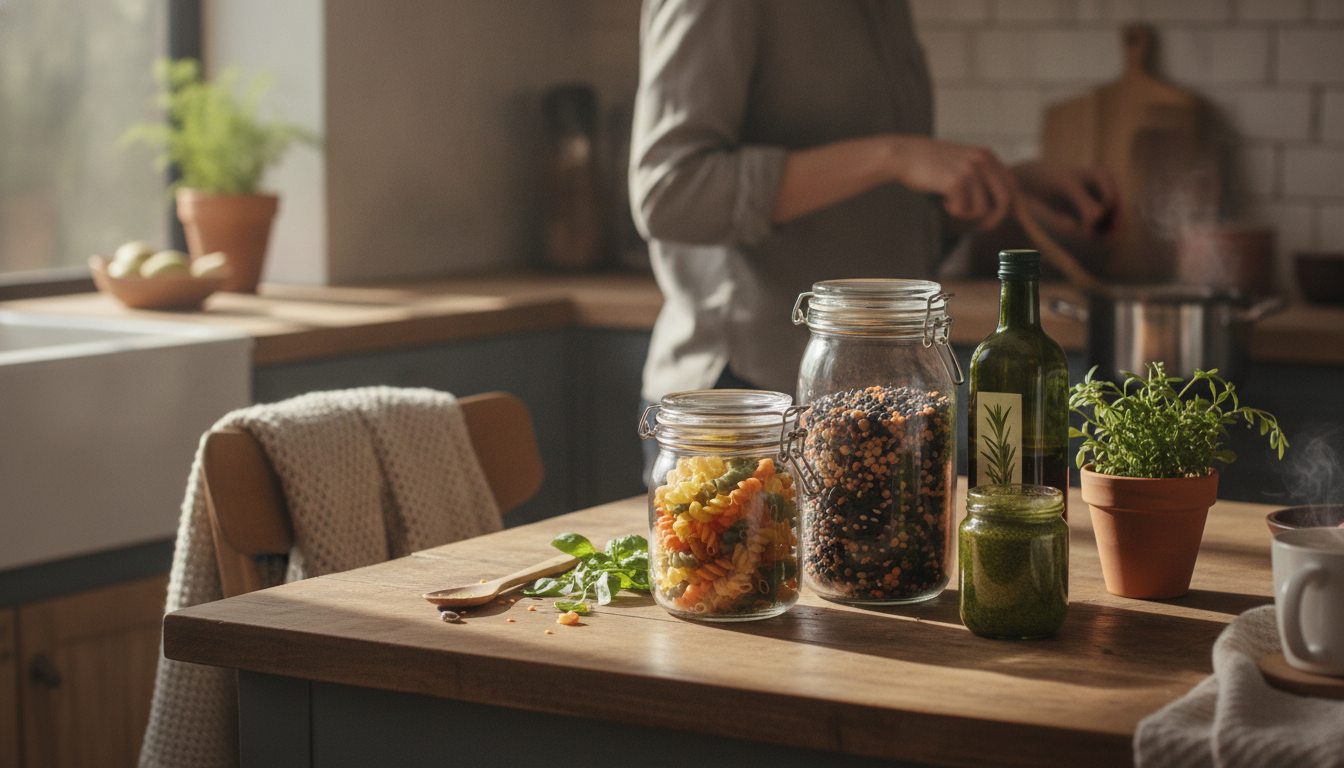
What are some good meals in a bag ideas for a food pantry?
A useful meal bag gives someone the ingredients for a recognizable dinner, not just a collection of shelf-stable foods. We like combinations that are affordable, easy to label, and flexible enough for different households. When you assemble bags for a food pantry, start with a recipe that uses a few common ingredients, then include everything needed to make it except water.
Four meal bags to try
- Chili and rice: Pack canned beans, canned tomatoes, a chili seasoning packet, and rice. Choose quick-cooking rice if cooking time or fuel may be limited.
- Pasta with tomato sauce: Pair dry pasta with a jar or can of sauce and canned vegetables. A can of beans can add protein without requiring refrigeration.
- Chicken noodle soup: Combine canned chicken, broth, canned mixed vegetables, and noodles. Pack noodles separately so the recipient can add them while cooking.
- Bean and corn tortillas: Include canned beans, canned corn, shelf-stable tortillas, and a mild seasoning blend. This meal can be warmed together or assembled with minimal cooking.
Make each bag easier to use
Write a short recipe card with the cooking steps, approximate water needed, and the number of servings. Keep ingredient labels visible so you can identify allergens and dietary restrictions. If your pantry serves people with limited kitchen equipment, choose pull-tab cans when available and favor meals that need one pot or a microwave-safe bowl.
Before donating, ask your local pantry which foods it accepts and whether it prefers assembled bags or individual items. Avoid opened packages and items close to their expiration dates. For more ways to build practical meals from pantry staples, explore our guide to a smart pantry kit for cozy meals.
Our team recommends putting the heaviest cans at the bottom of each sturdy bag and keeping the recipe card near the top. A simple, complete dinner is easier for someone to put to use on a busy night.
FAQ
What should you avoid putting in a meal bag?
Avoid ingredients that require refrigeration, unusually large amounts of extra oil or milk, or equipment the recipient may not have. Skip damaged containers, opened packages, and foods your local pantry does not accept.
Recommended for you


Easy, Affordable Pantry Meals for Any Night
Oct 20, 2026













Leave a comment