-
Shop
- Advanced Technologies
- AI Skills
- Bathroom
- Best-Sellers
- Car Accessories
- Confidence
- Dating & Social Skills
- Digital Resources
- AI & Technology
- Beauty
- Budgeting & Saving
- Car Buying & Ownership
- Cozy Feast Collection
- Electronics & Technology
- Entrepreneurship & Business Growth
- Financial Education
- Financial Independence
- Financial Mindset & Psychology
- Goal Setting
- Home Styling & Organization
- Kitchen & Recipes
- Leadership
- Mindfulness
- Mindset
- Online Business
- Parenting & Child Development
- Personal Style & Fashion
- Pet Lifestyle & Wellness
- Positive Thinking
- Sleep Improvement
- Smart Life with AI
- Stress Management & Relaxation
- Travel Planning
- Wellness
- Yoga & Fitness
- Yoga & Mind-Body Practices
- Education & Learning
- Family & Parenting
- Fashion
- Accessories
- Alexander McQueen
- Bags
- Bags & Wallets
- Balenciaga
- Belts
- Blazers
- Bottega Veneta
- Bottoms
- Brunello Cucinelli
- Burberry
- Chanel
- Chloé
- Dior
- Dolce & Gabbana
- Dresses
- Etro
- Fendi
- Gucci
- Hats & Hair Accessories
- Hoodies & Sweatshirts
- Jacquemus
- Jewelry
- Jil Sander
- Kiton
- Luggage
- Miu Miu
- Off-White
- Outerwear
- Prada
- Rick Owens
- Saint Laurent
- Shoes
- Socks & Tights
- Sweaters & Cardigans
- The Row
- Tom Ford
- Tops & Shirts
- Valentino
- Valentino Garavani
- Versace
- Vivienne Westwood
- Watches
- Fashion Accessories
- Furniture
- Gadgets
- Health & Beauty
- Health & Wellness
- Home & Garden
- Home Decor
- Home Electronics
- Home Supplies
- Kids & Babies
- Kitchen
- Kitchen Best-Sellers
- Lighting
- Patio, Lawn & Garden
- Personal Growth
- Pet Care
- Pet Supplies
- Pets
- Sport & Outdoors
- Super Deals
- Travel
- Travel & Adventure
- Wealth
- Popular
- Best deals
Relationship Trigger Examples and How to Respond
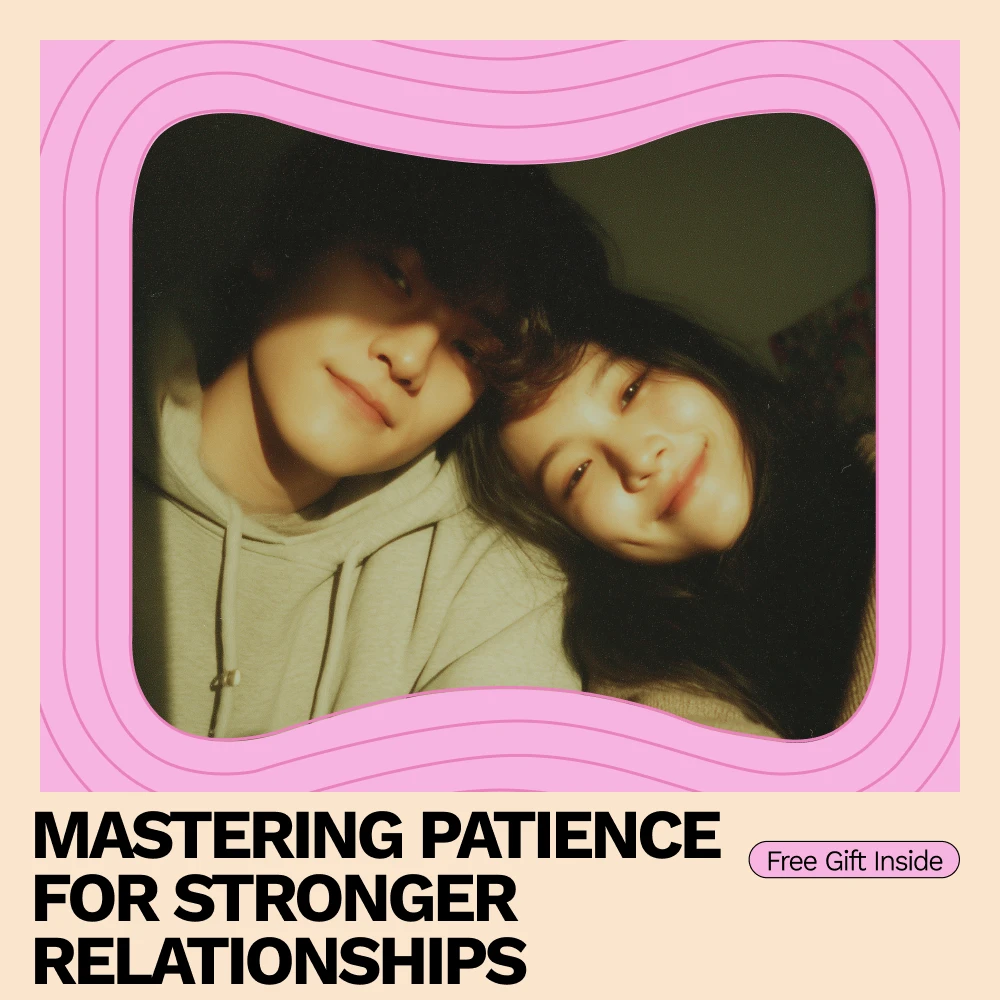
What are some examples of relationship triggers?
Relationship triggers are situations that prompt a strong emotional reaction, often because they touch on an earlier hurt, an unmet need, or a fear about the relationship. A delayed text may feel like rejection to one person, while a sudden change of plans may make another feel unimportant. The same situation can affect two people differently.
Recognizing a trigger does not mean blaming yourself for having feelings or excusing hurtful behavior. It gives you a chance to understand what is happening and choose how to respond.
What can trigger conflict between partners?
- Feeling ignored: A partner checks their phone while you are sharing something important, and you feel dismissed.
- Criticism or a sharp tone: A comment about chores or spending brings up shame, even if the other person intended to solve a problem.
- Changes in communication: Short replies or a missed call stir anxiety about whether you still matter.
- Broken expectations: A forgotten promise or canceled plan leaves you feeling that you cannot rely on your partner.
- Disagreements about boundaries: Questions about privacy, friendships, family involvement, or time alone can bring up fears of control or abandonment.
- Conflict that feels unfinished: When one person walks away during an argument, the other may experience the pause as rejection rather than a chance to cool down.
How can you respond when you feel triggered?
Start by noticing the physical and emotional signs: a tight chest, an urge to defend yourself, or a sudden feeling of panic. If you need a pause, say when you plan to return to the conversation. That can give you room to settle without leaving your partner guessing.
When you are ready, describe the specific situation and what you need. For example, you might say, “When our plans change at the last minute, I feel disappointed. Can we talk about how to give each other more notice?” Invite your partner to share their perspective, too. Our team recommends making one clear request rather than trying to resolve every past disagreement at once.
If conversations repeatedly feel unsafe or involve threats, intimidation, or control, prioritize your safety and reach out to a trusted person or a qualified support service. For more ways to slow down conflict and rebuild connection, read our guide to patience in relationships.
FAQ
What are some common triggers in relationships?
Common triggers include feeling ignored, criticized, excluded, or let down. Changes in communication, disagreements about boundaries, and unresolved arguments can also provoke strong reactions.
Can you give me some examples of relationship needs and wants?
Needs might include emotional safety, respect, honesty, and dependable communication. Wants can include more date nights, shared hobbies, or frequent texts; what matters most varies from person to person.
Recommended for you


Common Relationship Problems: Examples and Solutions
Nov 19, 2026
How to Rewrite Your Money Story in 4 Practical Steps
Nov 19, 2026













Leave a comment