-
Shop
- Advanced Technologies
- AI Skills
- Bathroom
- Best-Sellers
- Car Accessories
- Confidence
- Dating & Social Skills
- Digital Resources
- AI & Technology
- Beauty
- Budgeting & Saving
- Car Buying & Ownership
- Cozy Feast Collection
- Electronics & Technology
- Entrepreneurship & Business Growth
- Financial Education
- Financial Independence
- Financial Mindset & Psychology
- Goal Setting
- Home Styling & Organization
- Kitchen & Recipes
- Leadership
- Mindfulness
- Mindset
- Online Business
- Parenting & Child Development
- Personal Style & Fashion
- Pet Lifestyle & Wellness
- Positive Thinking
- Sleep Improvement
- Smart Life with AI
- Stress Management & Relaxation
- Travel Planning
- Wellness
- Yoga & Fitness
- Yoga & Mind-Body Practices
- Education & Learning
- Family & Parenting
- Fashion
- Accessories
- Alexander McQueen
- Bags
- Bags & Wallets
- Balenciaga
- Belts
- Blazers
- Bottega Veneta
- Bottoms
- Brunello Cucinelli
- Burberry
- Chanel
- Chloé
- Dior
- Dolce & Gabbana
- Dresses
- Etro
- Fendi
- Gucci
- Hats & Hair Accessories
- Hoodies & Sweatshirts
- Jacquemus
- Jewelry
- Jil Sander
- Kiton
- Luggage
- Miu Miu
- Off-White
- Outerwear
- Prada
- Rick Owens
- Saint Laurent
- Shoes
- Socks & Tights
- Sweaters & Cardigans
- The Row
- Tom Ford
- Tops & Shirts
- Valentino
- Valentino Garavani
- Versace
- Vivienne Westwood
- Watches
- Fashion Accessories
- Furniture
- Gadgets
- Health & Beauty
- Health & Wellness
- Home & Garden
- Home Decor
- Home Electronics
- Home Supplies
- Kids & Babies
- Kitchen
- Kitchen Best-Sellers
- Lighting
- Patio, Lawn & Garden
- Personal Growth
- Pet Care
- Pet Supplies
- Pets
- Sport & Outdoors
- Super Deals
- Travel
- Travel & Adventure
- Wealth
- Popular
- Best deals
20 Responsibilities of a Parent: A Practical Guide
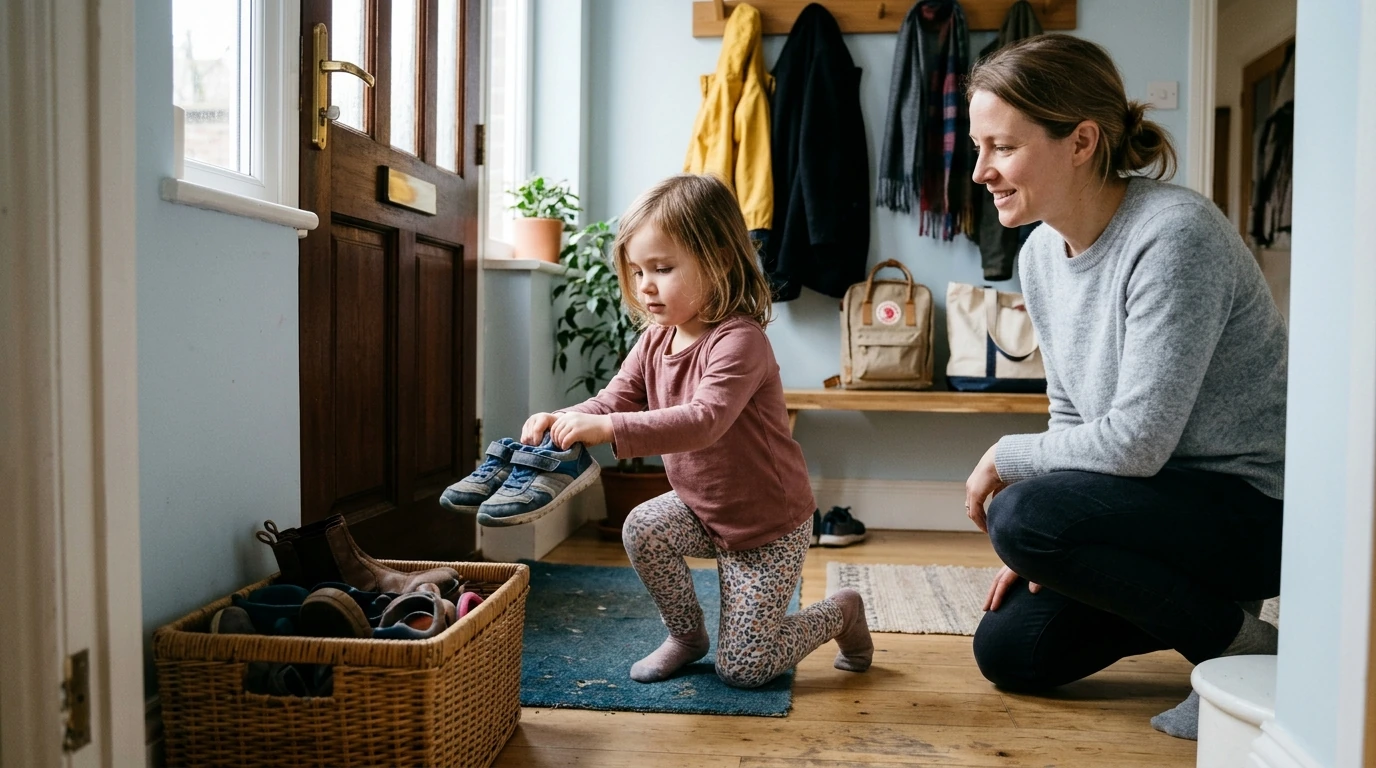
What are 20 responsibilities of a parent?
Parenting includes meeting your child’s immediate needs while helping them develop the skills and confidence to navigate the world. The details change as children grow, but these 20 responsibilities provide a foundation for everyday care.
1. Provide food and water
Offer regular meals, snacks, and drinking water that support your child’s age and needs.
2. Provide a safe home
Maintain a secure living space and address hazards such as unsecured medications, cleaning products, and furniture.
3. Supply appropriate clothing
Make sure your child has comfortable clothing and footwear suited to the weather and their activities.
4. Support physical health
Arrange preventive care, respond to illness or injury, and follow guidance from your child’s healthcare provider.
5. Protect emotional well-being
Listen without dismissing feelings and help your child find words for what they are experiencing.
6. Show love and affection
Offer consistent warmth, encouragement, and attention in ways your child welcomes.
7. Establish routines
Create predictable patterns for meals, hygiene, schoolwork, and other daily activities.
8. Teach hygiene
Help your child practice handwashing, dental care, bathing, and other age-appropriate self-care skills.
9. Set reasonable boundaries
Explain household rules clearly and adjust expectations as your child matures.
10. Guide behavior
Use consistent, respectful discipline that teaches accountability rather than relying on fear or humiliation.
11. Supervise appropriately
Know where your child is, who is caring for them, and what level of independence is appropriate.
12. Support education
Encourage learning, communicate with educators, and provide a suitable place for schoolwork when possible.
13. Encourage play and movement
Make time for active play, creativity, and activities your child enjoys.
14. Teach safety skills
Practice age-appropriate lessons about traffic, strangers, personal boundaries, and emergency contacts.
15. Model respectful relationships
Show how to communicate honestly, resolve disagreements, and treat others with kindness.
16. Foster independence
Let your child make manageable choices and take on tasks they can handle with support.
17. Build practical habits
Break chores and routines into small steps. For ideas, see our guide to helping kids build daily habits.
18. Protect online safety
Set age-appropriate limits and discuss privacy, respectful communication, and how to report concerning content.
19. Advocate for your child
Seek support at school, in healthcare, or in your community when your child needs accommodations or assistance.
20. Plan for changing needs
Review routines and responsibilities as your child grows, and make a care plan for emergencies.
FAQ
How can you help a child learn responsibility?
Start with one manageable task, demonstrate it, and offer reminders as needed. Praise effort and gradually give your child more independence.
Recommended for you



Most Helpful Alexa Commands for Everyday Tasks
Nov 8, 2026













Leave a comment