-
Shop
- Advanced Technologies
- AI Skills
- Bathroom
- Best-Sellers
- Car Accessories
- Confidence
- Dating & Social Skills
- Digital Resources
- AI & Technology
- Beauty
- Budgeting & Saving
- Car Buying & Ownership
- Cozy Feast Collection
- Electronics & Technology
- Entrepreneurship & Business Growth
- Financial Education
- Financial Independence
- Financial Mindset & Psychology
- Goal Setting
- Home Styling & Organization
- Kitchen & Recipes
- Leadership
- Mindfulness
- Mindset
- Online Business
- Parenting & Child Development
- Personal Style & Fashion
- Pet Lifestyle & Wellness
- Positive Thinking
- Sleep Improvement
- Smart Life with AI
- Stress Management & Relaxation
- Travel Planning
- Wellness
- Yoga & Fitness
- Yoga & Mind-Body Practices
- Education & Learning
- Family & Parenting
- Fashion
- Accessories
- Alexander McQueen
- Bags
- Bags & Wallets
- Balenciaga
- Belts
- Blazers
- Bottega Veneta
- Bottoms
- Brunello Cucinelli
- Burberry
- Chanel
- Chloé
- Dior
- Dolce & Gabbana
- Dresses
- Etro
- Fendi
- Gucci
- Hats & Hair Accessories
- Hoodies & Sweatshirts
- Jacquemus
- Jewelry
- Jil Sander
- Kiton
- Luggage
- Miu Miu
- Off-White
- Outerwear
- Prada
- Rick Owens
- Saint Laurent
- Shoes
- Socks & Tights
- Sweaters & Cardigans
- The Row
- Tom Ford
- Tops & Shirts
- Valentino
- Valentino Garavani
- Versace
- Vivienne Westwood
- Watches
- Fashion Accessories
- Furniture
- Gadgets
- Health & Beauty
- Health & Wellness
- Home & Garden
- Home Decor
- Home Electronics
- Home Supplies
- Kids & Babies
- Kitchen
- Kitchen Best-Sellers
- Lighting
- Patio, Lawn & Garden
- Personal Growth
- Pet Care
- Pet Supplies
- Pets
- Sport & Outdoors
- Super Deals
- Travel
- Travel & Adventure
- Wealth
- Popular
- Best deals
10 Home Upgrades That Often Waste Money (and Why)
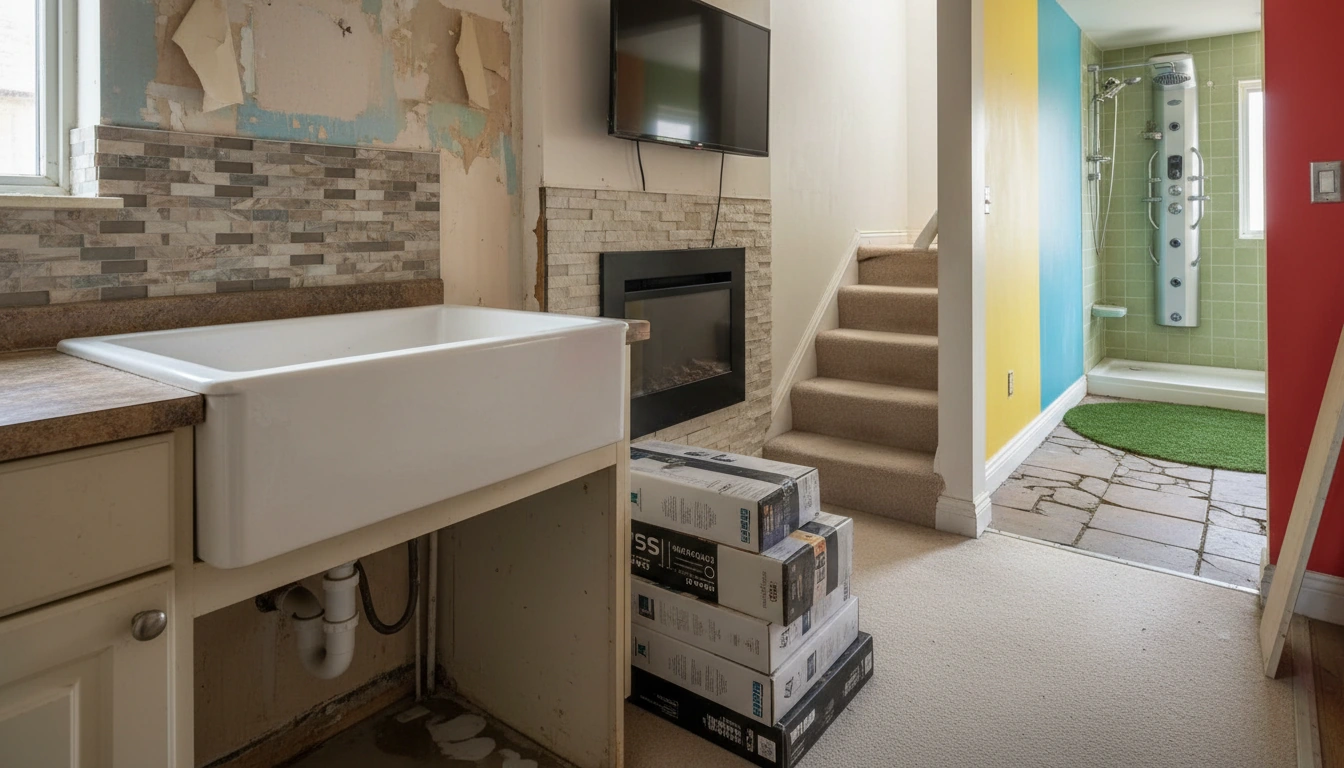
What 10 home upgrades are a waste of money?
Some projects look impressive on day one but rarely pay you back in daily comfort or resale value. If the upgrade won’t be used often, won’t fix a real problem, or will quickly look dated, it can become an expensive regret. Here are 10 common home upgrades that are often a waste of money for the average household.
1) Over-customized luxury finishes
Ultra-specific tile patterns, bold built-ins, or niche design trends can make future buyers see extra work, not extra value.
2) High-end smart home systems that require subscriptions
Complex ecosystems that need paid services, proprietary hubs, or installers can age fast and frustrate the next owner.
3) Top-tier appliances in a basic kitchen
A pro-range or luxury fridge can be overkill if cabinets, counters, and layout don’t support the same level of quality.
4) Converting a garage into living space (in many markets)
Losing secure parking and storage can hurt practicality and resale, especially in climates where garages matter.
5) Adding a pool without local demand
Pools are costly to install, insure, fence, heat, and maintain—and many buyers see them as a liability.
6) Overbuilding square footage
Adding space that pushes your home far above neighborhood norms often won’t appraise at full cost.
7) Ultra-landscaping with high maintenance
Intricate hardscapes, exotic plants, and water features can look great but demand constant upkeep and repairs.
8) Boutique rooms with limited use
Home theaters, wine rooms, or dedicated gyms can be nice, but they’re frequently underused and hard to repurpose.
9) Premium window treatments built for one taste
Custom drapery and motorized shades can be expensive and may not fit new owners’ style or tech preferences.
10) Cosmetic remodels that ignore comfort
Fresh surfaces won’t compensate for poor lighting, awkward layout flow, or rooms that don’t feel good to live in. For comfort-first upgrades that don’t require renovating, see this guide to no-renovation home upgrades.
FAQ
What are 10 home upgrades that are worth it long-term?
Lighting improvements, better insulation, sealing air leaks, efficient HVAC maintenance, and durable flooring tend to hold value. Also consider adding storage, updating fixtures, improving curb appeal with low-maintenance landscaping, upgrading ventilation, and making small layout-friendly changes that boost daily comfort.












Leave a comment