-
Shop
- Advanced Technologies
- AI Skills
- Bathroom
- Best-Sellers
- Car Accessories
- Confidence
- Dating & Social Skills
- Digital Resources
- AI & Technology
- Beauty
- Budgeting & Saving
- Car Buying & Ownership
- Cozy Feast Collection
- Electronics & Technology
- Entrepreneurship & Business Growth
- Financial Education
- Financial Independence
- Financial Mindset & Psychology
- Goal Setting
- Home Styling & Organization
- Kitchen & Recipes
- Leadership
- Mindfulness
- Mindset
- Online Business
- Parenting & Child Development
- Personal Style & Fashion
- Pet Lifestyle & Wellness
- Positive Thinking
- Sleep Improvement
- Smart Life with AI
- Stress Management & Relaxation
- Travel Planning
- Wellness
- Yoga & Fitness
- Yoga & Mind-Body Practices
- Education & Learning
- Family & Parenting
- Fashion
- Accessories
- Alexander McQueen
- Bags
- Bags & Wallets
- Balenciaga
- Belts
- Blazers
- Bottega Veneta
- Bottoms
- Brunello Cucinelli
- Burberry
- Chanel
- Chloé
- Dior
- Dolce & Gabbana
- Dresses
- Etro
- Fendi
- Gucci
- Hats & Hair Accessories
- Hoodies & Sweatshirts
- Jacquemus
- Jewelry
- Jil Sander
- Kiton
- Luggage
- Miu Miu
- Off-White
- Outerwear
- Prada
- Rick Owens
- Saint Laurent
- Shoes
- Socks & Tights
- Sweaters & Cardigans
- The Row
- Tom Ford
- Tops & Shirts
- Valentino
- Valentino Garavani
- Versace
- Vivienne Westwood
- Watches
- Fashion Accessories
- Furniture
- Gadgets
- Health & Beauty
- Health & Wellness
- Home & Garden
- Home Decor
- Home Electronics
- Home Supplies
- Kids & Babies
- Kitchen
- Kitchen Best-Sellers
- Lighting
- Patio, Lawn & Garden
- Personal Growth
- Pet Care
- Pet Supplies
- Pets
- Sport & Outdoors
- Super Deals
- Travel
- Travel & Adventure
- Wealth
- Popular
- Best deals
When Your Child With ADHD Won’t Listen: What Helps
My child with ADHD doesn’t listen at all. What can I do to help them?
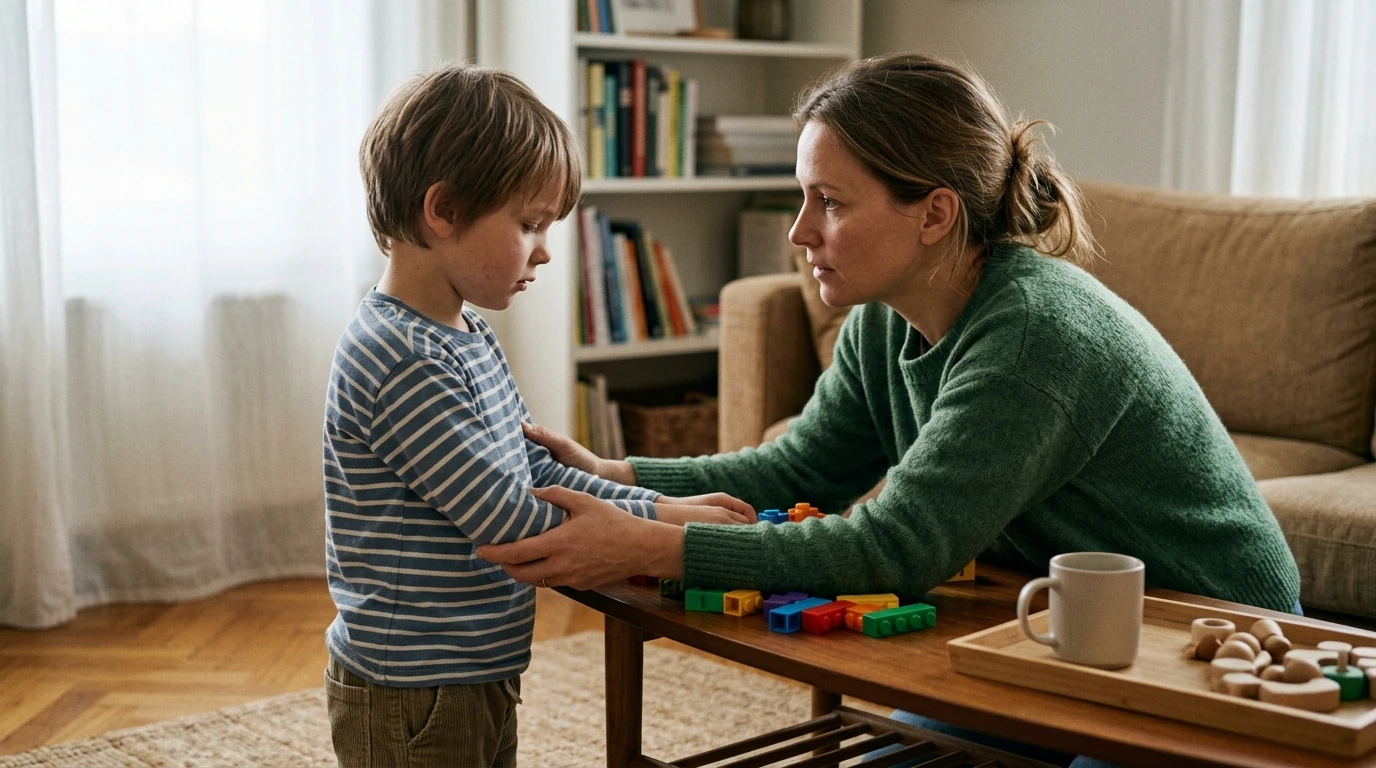
When you’ve asked three times and your child still hasn’t started, it can feel like they’re ignoring you. For a child with ADHD, the hard part may be shifting attention, holding several directions in mind, or getting started. You can make listening easier by changing how you give instructions and what happens next.
Get their attention before giving a direction
Move close, say your child’s name, and wait until they pause what they’re doing. Then give one short, specific direction: “Put your shoes by the door” is easier to act on than “Get ready.” You can ask them to tell you the first step back in their own words. Keep your tone calm; repeating the same instruction from across the room often adds frustration without making the task clearer.
Make the next step visible
If your child loses track during a routine, put a simple checklist where the routine happens. Pictures can work well for younger children. Keep it to a few steps, such as brush teeth, put on pajamas, and choose a book. A timer may help with transitions when you give a warning before it goes off: “In five minutes, we’re putting the game away.”
We suggest practicing one routine at a time rather than trying to change the whole day at once. Our guide to helping kids build daily habits one step at a time offers more ways to make routines manageable. Our team favors simple tools you can use consistently over a complicated system that’s hard to keep up.
Notice progress and troubleshoot together
Praise the action you want to see again: “You put your shoes away when I asked.” If a direction doesn’t happen, check what got in the way before assigning a consequence. Was the task too long, was a transition unexpected, or did your child need help starting? Offer a brief choice when possible, such as whether to put away blocks or books first.
If listening difficulties are causing frequent conflict at home or school, talk with your child’s pediatrician or ADHD care provider. They can help you tailor strategies to your child’s needs. You don’t have to solve every difficult moment at once; start with one instruction and one routine you can practice together.
FAQ
Should I use rewards to help my child follow directions?
A small, immediate reward can help your child practice a specific skill, especially when the goal is clear and achievable. Pair it with specific praise, and adjust the plan if it creates more arguments than progress.
Recommended for you



How to Help a Child With Emotional Dysregulation
Oct 25, 2026













Leave a comment