-
Shop
- Advanced Technologies
- AI Skills
- Bathroom
- Best-Sellers
- Car Accessories
- Confidence
- Dating & Social Skills
- Digital Resources
- AI & Technology
- Beauty
- Budgeting & Saving
- Car Buying & Ownership
- Cozy Feast Collection
- Electronics & Technology
- Entrepreneurship & Business Growth
- Financial Education
- Financial Independence
- Financial Mindset & Psychology
- Goal Setting
- Home Styling & Organization
- Kitchen & Recipes
- Leadership
- Mindfulness
- Mindset
- Online Business
- Parenting & Child Development
- Personal Style & Fashion
- Pet Lifestyle & Wellness
- Positive Thinking
- Sleep Improvement
- Smart Life with AI
- Stress Management & Relaxation
- Travel Planning
- Wellness
- Yoga & Fitness
- Yoga & Mind-Body Practices
- Education & Learning
- Family & Parenting
- Fashion
- Accessories
- Alexander McQueen
- Bags
- Bags & Wallets
- Balenciaga
- Belts
- Blazers
- Bottega Veneta
- Bottoms
- Brunello Cucinelli
- Burberry
- Chanel
- Chloé
- Dior
- Dolce & Gabbana
- Dresses
- Etro
- Fendi
- Gucci
- Hats & Hair Accessories
- Hoodies & Sweatshirts
- Jacquemus
- Jewelry
- Jil Sander
- Kiton
- Luggage
- Miu Miu
- Off-White
- Outerwear
- Prada
- Rick Owens
- Saint Laurent
- Shoes
- Socks & Tights
- Sweaters & Cardigans
- The Row
- Tom Ford
- Tops & Shirts
- Valentino
- Valentino Garavani
- Versace
- Vivienne Westwood
- Watches
- Fashion Accessories
- Furniture
- Gadgets
- Health & Beauty
- Health & Wellness
- Home & Garden
- Home Decor
- Home Electronics
- Home Supplies
- Kids & Babies
- Kitchen
- Kitchen Best-Sellers
- Lighting
- Patio, Lawn & Garden
- Personal Growth
- Pet Care
- Pet Supplies
- Pets
- Sport & Outdoors
- Super Deals
- Travel
- Travel & Adventure
- Wealth
- Popular
- Best deals
Aperture in mm? Why It’s Usually an f-Number
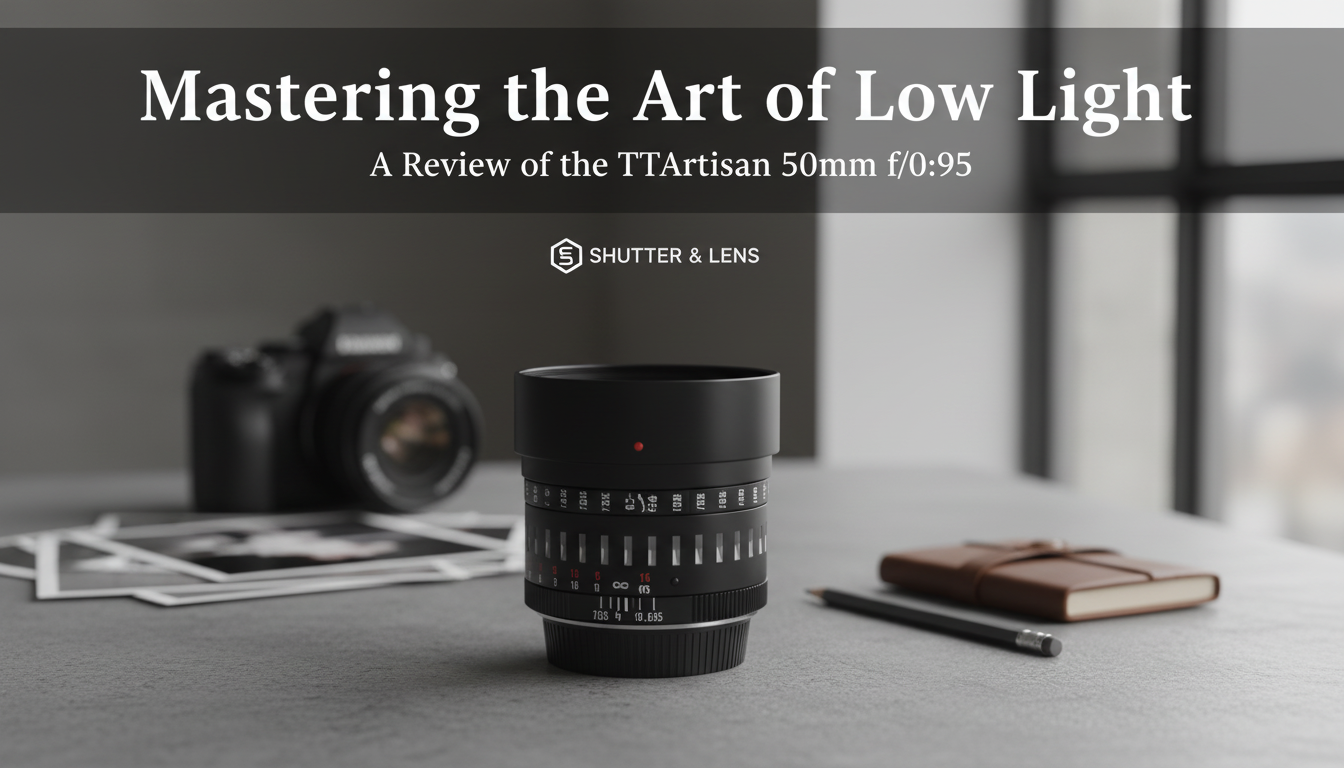
Is the aperture in mm?
Aperture is usually not measured in millimeters. In photography, “aperture” most commonly refers to the f-number (like f/1.8, f/4, or f/11), which is a ratio describing how wide the lens opening is relative to the lens’s focal length. Because it’s a ratio, an f-number has no units—so it isn’t expressed in mm.
When aperture can be described in millimeters
While photographers talk in f-stops, there is a physical opening inside the lens (the entrance pupil) that does have a diameter measured in millimeters. That diameter changes as you adjust the aperture, but it’s not how camera settings are typically displayed.
The relationship is simple: entrance pupil diameter (mm) = focal length (mm) ÷ f-number. For example, a 50mm lens at f/2 has an entrance pupil of about 25mm. The same f/2 setting on a 100mm lens implies an opening of about 50mm. That’s why identical f-numbers can look the same in exposure terms even though the physical opening size differs.
Why cameras and lenses use f-numbers instead of mm
F-numbers are convenient because they directly relate to exposure and depth of field behavior in a way that stays consistent across focal lengths. If aperture were shown only in millimeters, the number would vary wildly with focal length and would be less intuitive for predicting brightness and background blur.
What to remember when shopping for lenses
If a product listing highlights “wide aperture,” it’s talking about a smaller f-number (like f/1.4 or f/2.8), not a bigger millimeter measurement. A lower f-number generally helps in low light and can create stronger background blur, though results also depend on focal length, subject distance, and sensor size.
For a fuller breakdown with examples and practical context, visit the main guide: https://bestsellis.com/is-the-aperture-in-mm/.
FAQ
What is the difference between f-stop and focal length?
Focal length (in mm) describes the lens’s angle of view and magnification, while f-stop (f-number) describes the lens opening as a ratio that affects exposure and depth of field. They’re related, but they measure different things.
Recommended for you
4-Inch Aperture in mm: Exact Conversion (101.6 mm)
Jun 27, 2026













Leave a comment