-
Shop
- Advanced Technologies
- AI Skills
- Bathroom
- Best-Sellers
- Car Accessories
- Confidence
- Dating & Social Skills
- Digital Resources
- AI & Technology
- Beauty
- Budgeting & Saving
- Car Buying & Ownership
- Cozy Feast Collection
- Electronics & Technology
- Entrepreneurship & Business Growth
- Financial Education
- Financial Independence
- Financial Mindset & Psychology
- Goal Setting
- Home Styling & Organization
- Kitchen & Recipes
- Leadership
- Mindfulness
- Mindset
- Online Business
- Parenting & Child Development
- Personal Style & Fashion
- Pet Lifestyle & Wellness
- Positive Thinking
- Sleep Improvement
- Smart Life with AI
- Stress Management & Relaxation
- Travel Planning
- Wellness
- Yoga & Fitness
- Yoga & Mind-Body Practices
- Education & Learning
- Family & Parenting
- Fashion
- Accessories
- Alexander McQueen
- Bags
- Bags & Wallets
- Balenciaga
- Belts
- Blazers
- Bottega Veneta
- Bottoms
- Brunello Cucinelli
- Burberry
- Chanel
- Chloé
- Dior
- Dolce & Gabbana
- Dresses
- Etro
- Fendi
- Gucci
- Hats & Hair Accessories
- Hoodies & Sweatshirts
- Jacquemus
- Jewelry
- Jil Sander
- Kiton
- Luggage
- Miu Miu
- Off-White
- Outerwear
- Prada
- Rick Owens
- Saint Laurent
- Shoes
- Socks & Tights
- Sweaters & Cardigans
- The Row
- Tom Ford
- Tops & Shirts
- Valentino
- Valentino Garavani
- Versace
- Vivienne Westwood
- Watches
- Fashion Accessories
- Furniture
- Gadgets
- Health & Beauty
- Health & Wellness
- Home & Garden
- Home Decor
- Home Electronics
- Home Supplies
- Kids & Babies
- Kitchen
- Kitchen Best-Sellers
- Lighting
- Patio, Lawn & Garden
- Personal Growth
- Pet Care
- Pet Supplies
- Pets
- Sport & Outdoors
- Super Deals
- Travel
- Travel & Adventure
- Wealth
- Popular
- Best deals
Write a Guided Meditation Script: Outline, Tone & Timing
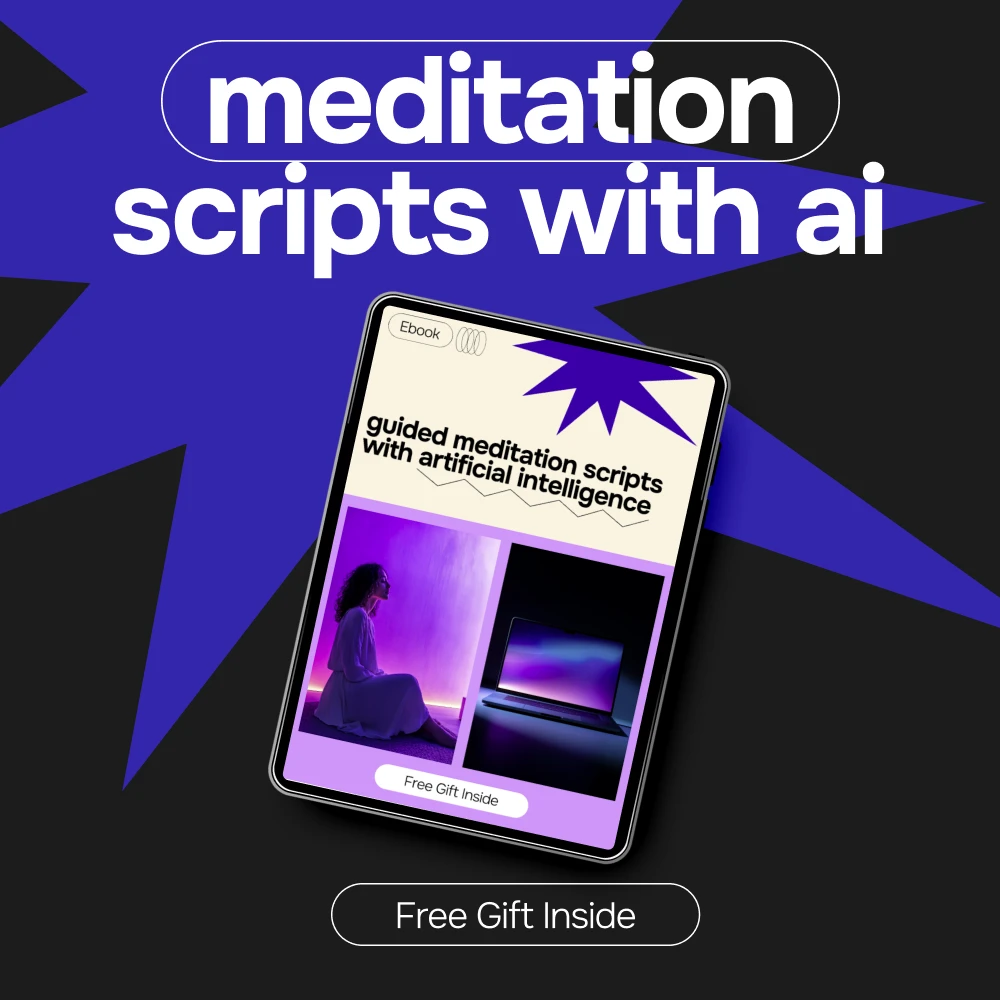
How to Write a Guided Meditation Script
A strong guided meditation script is equal parts structure and tone: you’re creating a safe, clear path your listener can follow without effort. Our team recommends starting with one outcome (calm, sleep, confidence, focus) and one setting (forest walk, quiet room, ocean shore). Keeping the intention and scene simple makes your words feel steady and trustworthy.
1) Choose a duration and pacing
Decide whether you’re writing a 3–5 minute reset, a 10–15 minute session, or a longer track. Short meditations need fewer ideas and more spacious pauses. As a rule, write fewer sentences than you think you need, and plan for silence between key lines.
2) Use a reliable script outline
We use this flow because it works for most goals:
- Arrival: welcome, posture, and a single reassuring promise (nothing to fix, nothing to force).
- Breath cue: a gentle pattern (natural breathing or a simple count).
- Body scan: soften the jaw, shoulders, belly, hands, legs.
- Main practice: imagery, affirmation, or attention training (one method only).
- Return: widen awareness, small movements, closing line.
3) Write in second person, present tense
Address your listener as “you,” using calm, permissive language: “If you’d like…” “When you’re ready…” Avoid commands that feel rigid. Short sentences and familiar words help your listener stay relaxed.
4) Add sensory anchors and safety options
Use a few gentle sensory details (temperature, sound, light) to deepen immersion. Include opt-out phrases for comfort: “If any area feels tender, you can skip it and return to the breath.” Keep imagery universally soothing and avoid intense themes unless you clearly label the meditation for that purpose.
5) Refine for clarity and delivery
Read the script out loud and remove tongue-twisters. Replace stacked metaphors with one clean picture. Then time it: a 10-minute meditation often reads as 1,300–1,700 spoken words depending on pauses.
Want a faster way to draft, personalize, and polish scripts? Visit our full guide here: https://bestsellis.com/guide-ai-guided-meditation-scripts-calm-personalized-fast/
FAQ
How long should a guided meditation be?
Most listeners do well with 5–15 minutes for daily practice, while 20–30 minutes fits deeper relaxation. Match the length to the goal and keep the script simple enough that you’re not rushing the pacing.
Recommended for you


Best Free Guided Meditation: How to Choose One Fast
Oct 17, 2026













Leave a comment