-
Shop
- Advanced Technologies
- AI Skills
- Bathroom
- Best-Sellers
- Car Accessories
- Confidence
- Dating & Social Skills
- Digital Resources
- AI & Technology
- Beauty
- Budgeting & Saving
- Car Buying & Ownership
- Cozy Feast Collection
- Electronics & Technology
- Entrepreneurship & Business Growth
- Financial Education
- Financial Independence
- Financial Mindset & Psychology
- Goal Setting
- Home Styling & Organization
- Kitchen & Recipes
- Leadership
- Mindfulness
- Mindset
- Online Business
- Parenting & Child Development
- Personal Style & Fashion
- Pet Lifestyle & Wellness
- Positive Thinking
- Sleep Improvement
- Smart Life with AI
- Stress Management & Relaxation
- Travel Planning
- Wellness
- Yoga & Fitness
- Yoga & Mind-Body Practices
- Education & Learning
- Family & Parenting
- Fashion
- Accessories
- Alexander McQueen
- Bags
- Bags & Wallets
- Balenciaga
- Belts
- Blazers
- Bottega Veneta
- Bottoms
- Brunello Cucinelli
- Burberry
- Chanel
- Chloé
- Dior
- Dolce & Gabbana
- Dresses
- Etro
- Fendi
- Gucci
- Hats & Hair Accessories
- Hoodies & Sweatshirts
- Jacquemus
- Jewelry
- Jil Sander
- Kiton
- Luggage
- Miu Miu
- Off-White
- Outerwear
- Prada
- Rick Owens
- Saint Laurent
- Shoes
- Socks & Tights
- Sweaters & Cardigans
- The Row
- Tom Ford
- Tops & Shirts
- Valentino
- Valentino Garavani
- Versace
- Vivienne Westwood
- Watches
- Fashion Accessories
- Furniture
- Gadgets
- Health & Beauty
- Health & Wellness
- Home & Garden
- Home Decor
- Home Electronics
- Home Supplies
- Kids & Babies
- Kitchen
- Kitchen Best-Sellers
- Lighting
- Patio, Lawn & Garden
- Personal Growth
- Pet Care
- Pet Supplies
- Pets
- Sport & Outdoors
- Super Deals
- Travel
- Travel & Adventure
- Wealth
- Popular
- Best deals
Fix Computer Neck Pain Fast: Posture, Breaks & Stretches
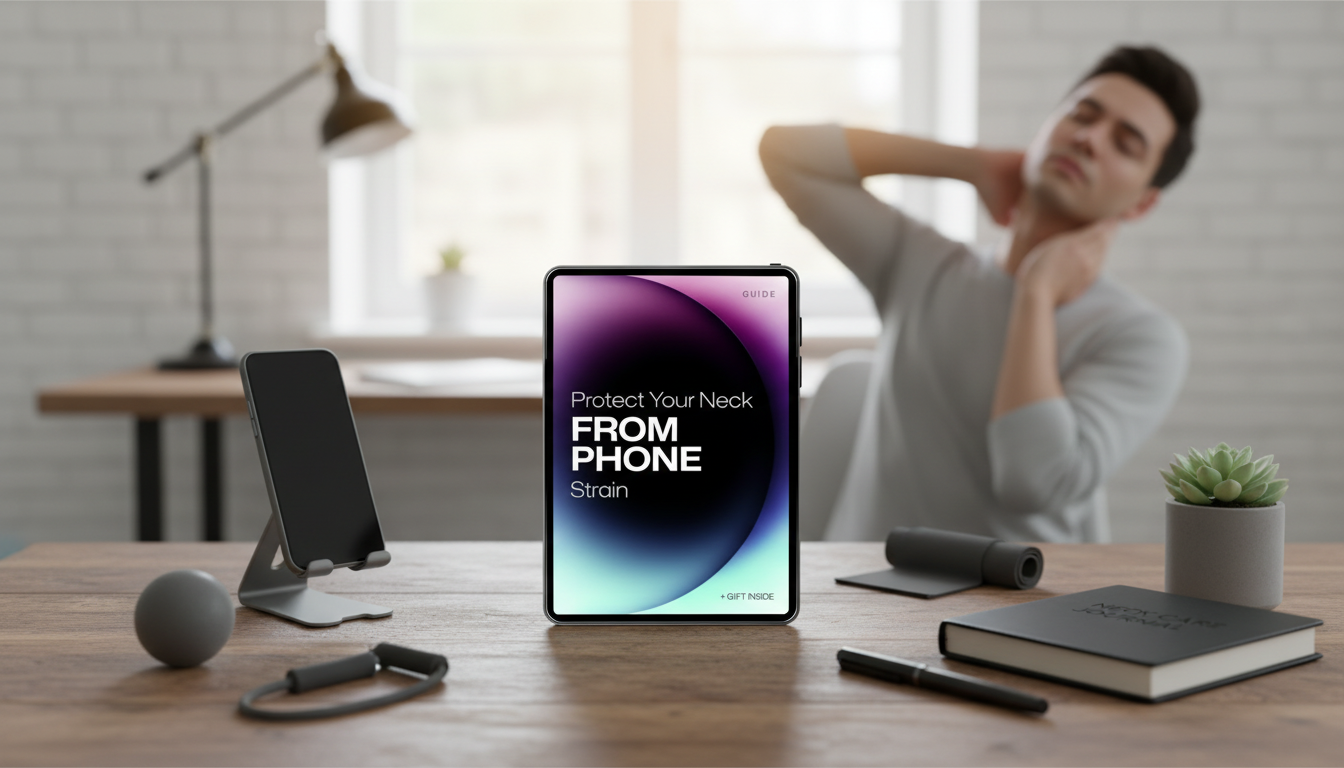
How to fix computer neck pain?
Computer neck pain usually comes from hours of leaning your head forward toward a screen. The fastest relief comes from a mix of posture reset, small workstation tweaks, and short movement breaks that reduce strain on your neck and upper back.
1) Reset your screen and seating setup
Bring the monitor to you instead of reaching your head to it. Aim for the top third of the screen near eye level, keep the display about an arm’s length away, and center it so you’re not rotating your neck. Sit back with your hips to the back of the chair, feet flat, and elbows close to your sides at roughly 90 degrees so your shoulders can relax.
2) Use the “chin tuck” to undo forward head posture
Gently draw your head straight back (like making a double chin) while keeping your eyes level. Hold 3–5 seconds and repeat 8–10 times, 1–3 times per day. This helps retrain the deep neck flexors and takes pressure off the muscles that get overworked when you crane forward.
3) Stretch what gets tight: chest and upper traps
Open the chest by placing your forearm on a doorway and turning your body slightly away for 20–30 seconds per side. Then stretch the upper trapezius by tilting your ear toward your shoulder and lightly adding pressure with your hand (don’t yank). Do 2 rounds per side.
4) Add micro-breaks to stop the flare-ups
Every 30–45 minutes, stand up for 30–60 seconds, roll your shoulders back, and take a few slow breaths. Consistency matters more than long sessions—small breaks prevent your neck from “locking in” to a strained position.
5) Reduce phone-related strain too
Even if your pain is from a computer, phone posture can keep it going. For more simple posture fixes, see this guide to beating text neck with easy phone posture changes.
FAQ
Where do you feel pain from a tech neck?
It’s commonly felt at the base of the skull, along the back of the neck, across the tops of the shoulders, and between the shoulder blades. Some people also notice headaches or aching that spreads into the upper back.
Can a chiropractor fix a tech neck?
A chiropractor may help reduce pain and improve mobility with targeted treatment, but lasting improvement usually requires posture changes, strengthening, and better desk/phone habits. If symptoms include numbness, weakness, or pain shooting down an arm, get a medical evaluation.
What is tech neck and how to fix it
Tech neck is neck and upper-back strain from repeatedly leaning your head forward to look at screens. Fix it by raising screens, keeping ears over shoulders, doing chin tucks and chest/neck stretches, and taking frequent movement breaks.
Recommended for you



Neck Pain From Computer? Quick Fixes That Last
Jun 25, 2026













Leave a comment