-
Shop
- Advanced Technologies
- AI Skills
- Bathroom
- Best-Sellers
- Car Accessories
- Confidence
- Dating & Social Skills
- Digital Resources
- AI & Technology
- Beauty
- Budgeting & Saving
- Car Buying & Ownership
- Cozy Feast Collection
- Electronics & Technology
- Entrepreneurship & Business Growth
- Financial Education
- Financial Independence
- Financial Mindset & Psychology
- Goal Setting
- Home Styling & Organization
- Kitchen & Recipes
- Leadership
- Mindfulness
- Mindset
- Online Business
- Parenting & Child Development
- Personal Style & Fashion
- Pet Lifestyle & Wellness
- Positive Thinking
- Sleep Improvement
- Smart Life with AI
- Stress Management & Relaxation
- Travel Planning
- Wellness
- Yoga & Fitness
- Yoga & Mind-Body Practices
- Education & Learning
- Family & Parenting
- Fashion
- Accessories
- Alexander McQueen
- Bags
- Bags & Wallets
- Balenciaga
- Belts
- Blazers
- Bottega Veneta
- Bottoms
- Brunello Cucinelli
- Burberry
- Chanel
- Chloé
- Dior
- Dolce & Gabbana
- Dresses
- Etro
- Fendi
- Gucci
- Hats & Hair Accessories
- Hoodies & Sweatshirts
- Jacquemus
- Jewelry
- Jil Sander
- Kiton
- Luggage
- Miu Miu
- Off-White
- Outerwear
- Prada
- Rick Owens
- Saint Laurent
- Shoes
- Socks & Tights
- Sweaters & Cardigans
- The Row
- Tom Ford
- Tops & Shirts
- Valentino
- Valentino Garavani
- Versace
- Vivienne Westwood
- Watches
- Fashion Accessories
- Furniture
- Gadgets
- Health & Beauty
- Health & Wellness
- Home & Garden
- Home Decor
- Home Electronics
- Home Supplies
- Kids & Babies
- Kitchen
- Kitchen Best-Sellers
- Lighting
- Patio, Lawn & Garden
- Personal Growth
- Pet Care
- Pet Supplies
- Pets
- Sport & Outdoors
- Super Deals
- Travel
- Travel & Adventure
- Wealth
- Popular
- Best deals
Beginner Budget Checklist: Set It Up in 15 Minutes

How do you set up a budget checklist if you’ve never budgeted before?
Start with a simple checklist that fits on one page and focuses on what you can control this week, not a perfect year-long plan. A first-time budget works best when it’s specific, repeatable, and easy to check off in minutes.
1) Pick your budget period and “money date”
Choose weekly if your income varies or you’re just starting; choose monthly if you’re salaried and steady. Set a recurring 15-minute money date (same day/time) to update your checklist and make quick decisions before bills hit.
2) List your take-home income (only what’s real)
Write down the amount that actually lands in your account for the period you picked. If income changes, use a conservative estimate and treat extra income as a bonus for goals or catch-up.
3) Capture your non-negotiables first
Make a short list of essentials due during the period: housing, utilities, minimum debt payments, insurance, childcare, and transportation. Add due dates next to each item so your checklist doubles as a timing tool.
4) Add “daily life” categories with a cap
Include groceries, gas, dining out, and personal spending—then set a maximum for each. If you’re unsure, look at the last 30 days of transactions and pick a number that’s slightly lower but still realistic.
5) Build in cushions and goals
Add a small “miscellaneous” buffer (even $20–$50) to prevent one surprise from breaking your plan. Then add one goal line: emergency fund, sinking fund (car repairs, gifts), or extra debt payment.
6) Track with checkboxes, not spreadsheets
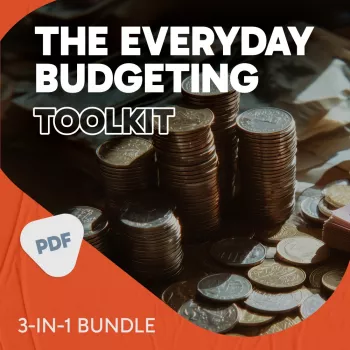
Your checklist should include actions: “Paid rent,” “Moved $25 to savings,” “Groceries stayed under $X,” and “Reviewed account balances.” For a ready-to-use 30-day plan and weekly checklist, see this everyday budgeting toolkit.
FAQ
What’s the easiest way to stick to a budget when you’re starting?
Keep the first budget small and forgiving: track only a few categories, set caps you can actually hit, and review once a week. Consistency beats complexity, especially in the first month.















Leave a comment