-
Shop
- Advanced Technologies
- AI Skills
- Bathroom
- Best-Sellers
- Car Accessories
- Confidence
- Dating & Social Skills
- Digital Resources
- AI & Technology
- Beauty
- Budgeting & Saving
- Car Buying & Ownership
- Cozy Feast Collection
- Electronics & Technology
- Entrepreneurship & Business Growth
- Financial Education
- Financial Independence
- Financial Mindset & Psychology
- Goal Setting
- Home Styling & Organization
- Kitchen & Recipes
- Leadership
- Mindfulness
- Mindset
- Online Business
- Parenting & Child Development
- Personal Style & Fashion
- Pet Lifestyle & Wellness
- Positive Thinking
- Sleep Improvement
- Smart Life with AI
- Stress Management & Relaxation
- Travel Planning
- Wellness
- Yoga & Fitness
- Yoga & Mind-Body Practices
- Education & Learning
- Family & Parenting
- Fashion
- Accessories
- Alexander McQueen
- Bags
- Bags & Wallets
- Balenciaga
- Belts
- Blazers
- Bottega Veneta
- Bottoms
- Brunello Cucinelli
- Burberry
- Chanel
- Chloé
- Dior
- Dolce & Gabbana
- Dresses
- Etro
- Fendi
- Gucci
- Hats & Hair Accessories
- Hoodies & Sweatshirts
- Jacquemus
- Jewelry
- Jil Sander
- Kiton
- Luggage
- Miu Miu
- Off-White
- Outerwear
- Prada
- Rick Owens
- Saint Laurent
- Shoes
- Socks & Tights
- Sweaters & Cardigans
- The Row
- Tom Ford
- Tops & Shirts
- Valentino
- Valentino Garavani
- Versace
- Vivienne Westwood
- Watches
- Fashion Accessories
- Furniture
- Gadgets
- Health & Beauty
- Health & Wellness
- Home & Garden
- Home Decor
- Home Electronics
- Home Supplies
- Kids & Babies
- Kitchen
- Kitchen Best-Sellers
- Lighting
- Patio, Lawn & Garden
- Personal Growth
- Pet Care
- Pet Supplies
- Pets
- Sport & Outdoors
- Super Deals
- Travel
- Travel & Adventure
- Wealth
- Popular
- Best deals
Working From Home and Mental Wellbeing: A Practical Guide
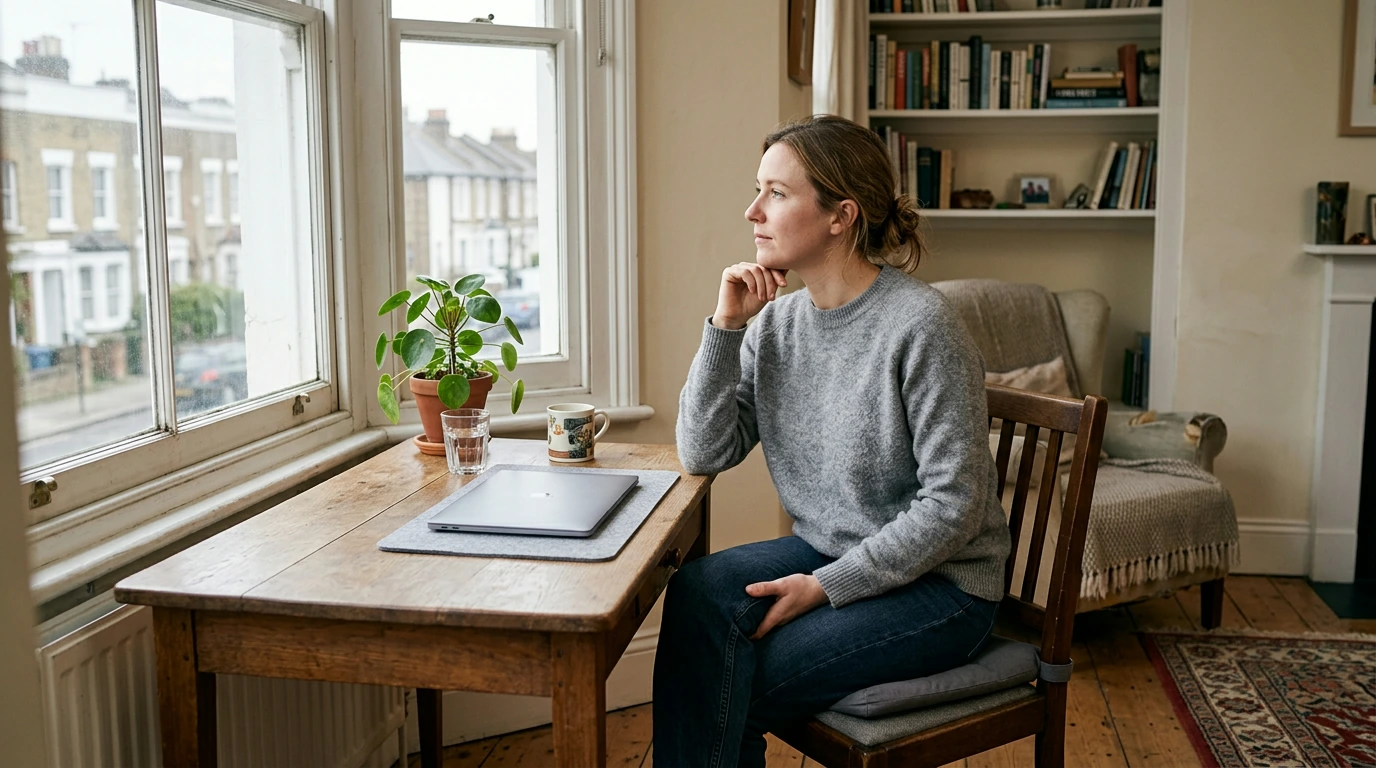
Working from home can make room for calmer routines, more flexibility, and greater control over your workday. The time you once spent commuting might become time for breakfast, a walk, or a little more rest. But remote work also brings challenges, from isolation to the temptation to stay online after hours.
Our team encourages you to start with the conditions you can influence. Small, repeatable habits can help you make the most of working from home without expecting every day to feel perfectly balanced.
Where Remote Work May Help
A shorter commute can give you back time and remove a source of daily pressure. Even if you use only part of that time for yourself, a slower start or a brief period of movement may make the transition into work feel less rushed.
Working from home may also offer more control over your surroundings. You might be able to adjust the lighting, choose a quieter spot, or plan a break after a demanding meeting. Where your role allows it, some flexibility in your schedule can make it easier to manage personal commitments alongside work.
These benefits are not guaranteed. Your workload, financial circumstances, household responsibilities, and access to a suitable workspace all matter. Some people enjoy working remotely, while others find it stressful or lonely. The World Health Organization’s guidance on teleworking and health considers both the opportunities and risks.
Turning Remote-Work Opportunities Into Habits
| Opportunity | Practical habit | Potential benefit |
|---|---|---|
| Less commuting | Use part of the saved time for a walk or breakfast | A more settled start to the day |
| Workspace control | Choose a comfortable, low-distraction work area | Better focus during work periods |
| Flexible breaks | Schedule short breaks between demanding tasks | Time to reset and reduce fatigue |
| More time at home | Set a clear end-of-day routine | Stronger separation between work and personal time |
Build a Workday That Protects Your Energy
Start by choosing working hours that fit your responsibilities and, where possible, keep them consistent. A predictable start and finish can help you plan meals, breaks, and personal time. If your schedule needs to change, communicate the change rather than trying to be available all day.
Keep your daily task list manageable. Identify the most important work, then leave room for meetings, interruptions, and tasks that take longer than expected. If everything feels urgent, ask your manager or team to help set priorities instead of treating every request as equally immediate.
Short breaks can be useful even when you cannot step away for long. Stand up, refill your water, or look away from your screen between tasks. You do not need to turn every break into a productivity exercise; a few quiet minutes can simply be a chance to reset.
Agree on availability expectations with your team, too. Discuss when you are expected to respond, how to flag an excessive workload, and which messages genuinely need an immediate answer. Clear expectations can reduce the pressure to monitor notifications constantly.
At the end of the day, try a transition ritual: write down tomorrow’s first task, close your laptop, and take a short walk. If a walk is not practical, put your work materials away or change the lighting. A simple signal can help mark the shift into personal time.
Address Isolation and Blurred Boundaries
Remote work can reduce casual conversations, so make connection intentional. Schedule regular check-ins with colleagues, whether they focus on a shared project or simply offer a chance to catch up. Outside work, consider a recurring call, meal, or activity with someone you enjoy spending time with.
Household boundaries matter as well. Let the people you live with know when you have meetings or need uninterrupted time, and discuss what is realistic for everyone. If you share a small space, a headset, a cleared corner of a table, or a visible sign that you are in a meeting may help. Adapt the setup to your circumstances rather than aiming for a perfect home office.
Individual habits cannot resolve every workplace problem. If your workload or expectations are consistently unmanageable, raise the issue with your manager or another appropriate contact. The World Health Organization’s mental health at work guidance discusses how working conditions can affect wellbeing.
If stress, loneliness, or sleep difficulties persist or interfere with daily life, consider speaking with a healthcare professional. You do not have to wait until a problem feels severe to ask for support.
Explore the Practical Guide
Before choosing a resource, consider the habit you most want to improve. Do you need a clearer finish time, more social contact, or a better way to organize your day? Picking one priority can make it easier to turn ideas into a routine you will actually use.
Our How Working from Home Boosts Mental Wellbeing guide is a resource for remote professionals interested in this topic. It is listed at $9.99 USD. Consider it if you want to explore remote-work wellbeing alongside the practical changes above.
If you also run a small business from home and are exploring technology for your work, our AI for Small Business Toolkit – 5-in-1 Digital Download Bundle is a separate resource listed at $430.99 USD. It serves a different purpose from the wellbeing guide, so consider whether a business toolkit fits your current priorities and budget.
FAQ
Can working from home improve mental wellbeing?
It can help some people by reducing commuting and giving them more control over daily routines. The effect depends on individual circumstances, job demands, and the home environment.
How can remote workers avoid feeling isolated?
Try regular check-ins with colleagues and make time for social contact outside work. If loneliness persists, consider seeking support from a healthcare professional.
How can I separate work from home life?
Agree on working hours, use a designated workspace where possible, and create a consistent end-of-day routine. Even putting your laptop away can help mark the end of work.
Recommended for you



U.S. Polo Assn. Men’s White Turtleneck: Style Guide
Nov 19, 2026













Leave a comment