-
Shop
- Advanced Technologies
- AI Skills
- Bathroom
- Best-Sellers
- Car Accessories
- Confidence
- Dating & Social Skills
- Digital Resources
- AI & Technology
- Beauty
- Budgeting & Saving
- Car Buying & Ownership
- Cozy Feast Collection
- Electronics & Technology
- Entrepreneurship & Business Growth
- Financial Education
- Financial Independence
- Financial Mindset & Psychology
- Goal Setting
- Home Styling & Organization
- Kitchen & Recipes
- Leadership
- Mindfulness
- Mindset
- Online Business
- Parenting & Child Development
- Personal Style & Fashion
- Pet Lifestyle & Wellness
- Positive Thinking
- Sleep Improvement
- Smart Life with AI
- Stress Management & Relaxation
- Travel Planning
- Wellness
- Yoga & Fitness
- Yoga & Mind-Body Practices
- Education & Learning
- Family & Parenting
- Fashion
- Accessories
- Alexander McQueen
- Bags
- Bags & Wallets
- Balenciaga
- Belts
- Blazers
- Bottega Veneta
- Bottoms
- Brunello Cucinelli
- Burberry
- Chanel
- Chloé
- Dior
- Dolce & Gabbana
- Dresses
- Etro
- Fendi
- Gucci
- Hats & Hair Accessories
- Hoodies & Sweatshirts
- Jacquemus
- Jewelry
- Jil Sander
- Kiton
- Luggage
- Miu Miu
- Off-White
- Outerwear
- Prada
- Rick Owens
- Saint Laurent
- Shoes
- Socks & Tights
- Sweaters & Cardigans
- The Row
- Tom Ford
- Tops & Shirts
- Valentino
- Valentino Garavani
- Versace
- Vivienne Westwood
- Watches
- Fashion Accessories
- Furniture
- Gadgets
- Health & Beauty
- Health & Wellness
- Home & Garden
- Home Decor
- Home Electronics
- Home Supplies
- Kids & Babies
- Kitchen
- Kitchen Best-Sellers
- Lighting
- Patio, Lawn & Garden
- Personal Growth
- Pet Care
- Pet Supplies
- Pets
- Sport & Outdoors
- Super Deals
- Travel
- Travel & Adventure
- Wealth
- Popular
- Best deals
Building Wealth Through Mentorship on a Low Income

Building wealth on a limited income can feel like a distant goal, especially when everyday expenses demand your attention. A trusted mentor can provide a place to ask questions, share knowledge, and consider practical next steps. Mentorship is not a shortcut around low wages or unequal access to resources, but it can help you make more informed decisions about the options available to you.
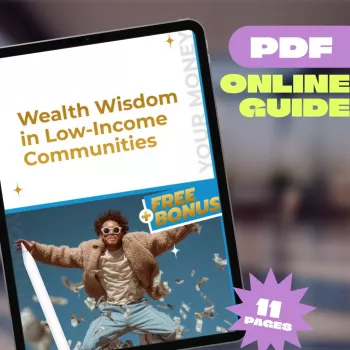
Our Wealth Wisdom in Low-Income Communities digital download eBook focuses on building wealth through mentorship. Whether you are starting a conversation about saving or looking for community support, it offers a starting point for exploring the role guidance can play.
Why Mentorship Matters for Building Wealth
Financial decisions often come with unfamiliar terms, competing priorities, and questions that are hard to answer alone. A mentor with relevant experience can help you clarify a goal, talk through what you already know, and identify questions to take to a qualified professional. They may also know about local resources you have not encountered.
For example, you might discuss how to balance an emergency savings goal with an outstanding bill, or where to find trustworthy information about a financial product. A mentor’s experience can provide perspective, but your circumstances and priorities should guide your decisions.
It is also important to recognize the limits of individual guidance. Housing costs, healthcare expenses, debt, discrimination, and access to stable work can all affect someone’s ability to build wealth. Mentorship alone cannot remove those barriers, and it should never be presented as a guarantee of financial success.
A Guide to Wealth Wisdom in Low-Income Communities
We offer the Wealth Wisdom in Low-Income Communities digital eBook as a guide centered on wealth building through mentorship. It is a digital download listed at $5.99 USD.
The guide may be a useful starting point if you want to begin talking about financial goals, learn from others’ experiences, or consider how community support can fit into your plans. You can purchase it through the product page and use your own circumstances to decide which questions matter most to you.
If a small business is part of your financial goals, you may also want to consider the practical tools involved in accepting payments. Our Choosing the Right Payment Solution for Your Business eBook focuses on Stripe and Square. It is a separate digital guide listed at $15.99 USD, and it is most relevant if comparing payment options is already on your to-do list.
Finding the Right Mentorship Connection
Start close to home. Community organizations and libraries may know about financial education programs or local workshops. Professional networks can be helpful if your goals involve career development or business ownership. You might also ask a trusted friend, family member, or colleague whether they know someone willing to share relevant experience.
A helpful mentor listens before offering suggestions, respects your privacy, and understands the limits of their expertise. You can begin with a short conversation to see whether you feel comfortable asking questions. You do not need to share account numbers, passwords, or other sensitive information to discuss a general goal.
Before acting on financial recommendations, verify the person’s credentials and consider whether their experience applies to your situation. For investment guidance, Investor.gov explains how to check an investment professional. Be wary of anyone promising guaranteed returns or pressuring you to make a quick decision.
Turning Guidance Into Practical Steps
A conversation is easier to use when you arrive with one concern and leave with a manageable action. The plan below offers general discussion prompts; it is not a description of the eBook’s contents or personalized financial advice.
| Step | Action | Example question |
|---|---|---|
| Prepare | Choose one financial concern or goal to discuss. | What should I prioritize first? |
| Explore | Discuss options and available community resources. | Where can I learn more about this option? |
| Act | Choose a manageable next step that fits your circumstances. | What can I do before our next conversation? |
| Review | Revisit progress and adjust as needed. | What worked, and what should I change? |
Your next step might be gathering information about a bill, attending a free workshop, or writing down questions for a financial counselor. The Consumer Financial Protection Bureau’s Your Money, Your Goals resources provide additional tools for financial conversations. Choose an action that fits your available time and resources, rather than measuring progress against someone else’s situation.
Start With a Conversation
Our team encourages you to pair learning with a realistic goal and support from someone you trust. A single conversation may not solve every financial challenge, but it can help you identify a question to investigate or a next step to consider.
Explore our Wealth Wisdom digital download if you are ready to learn more about mentorship and wealth building in low-income communities.
FAQ
What is Wealth Wisdom in Low-Income Communities?
It is a digital download eBook about building wealth through mentorship, listed at $5.99 USD.
How can I find a financial mentor in my community?
Ask community organizations, libraries, professional networks, or trusted contacts about potential mentors. Check a person’s experience and credentials before acting on financial recommendations.
Can mentorship guarantee that I will build wealth?
No. Mentorship can offer guidance and perspective, but outcomes depend on your circumstances and wider economic factors.
Recommended for you


Simple Daily Rituals for a Calmer Mind
Nov 19, 2026
102mm Achromatic Refractor: A Night Sky Guide
Nov 19, 2026













Leave a comment