-
Shop
- Advanced Technologies
- AI Skills
- Bathroom
- Best-Sellers
- Car Accessories
- Confidence
- Dating & Social Skills
- Digital Resources
- AI & Technology
- Beauty
- Budgeting & Saving
- Car Buying & Ownership
- Cozy Feast Collection
- Electronics & Technology
- Entrepreneurship & Business Growth
- Financial Education
- Financial Independence
- Financial Mindset & Psychology
- Goal Setting
- Home Styling & Organization
- Kitchen & Recipes
- Leadership
- Mindfulness
- Mindset
- Online Business
- Parenting & Child Development
- Personal Style & Fashion
- Pet Lifestyle & Wellness
- Positive Thinking
- Sleep Improvement
- Smart Life with AI
- Stress Management & Relaxation
- Travel Planning
- Wellness
- Yoga & Fitness
- Yoga & Mind-Body Practices
- Education & Learning
- Family & Parenting
- Fashion
- Accessories
- Alexander McQueen
- Bags
- Bags & Wallets
- Balenciaga
- Belts
- Blazers
- Bottega Veneta
- Bottoms
- Brunello Cucinelli
- Burberry
- Chanel
- Chloé
- Dior
- Dolce & Gabbana
- Dresses
- Etro
- Fendi
- Gucci
- Hats & Hair Accessories
- Hoodies & Sweatshirts
- Jacquemus
- Jewelry
- Jil Sander
- Kiton
- Luggage
- Miu Miu
- Off-White
- Outerwear
- Prada
- Rick Owens
- Saint Laurent
- Shoes
- Socks & Tights
- Sweaters & Cardigans
- The Row
- Tom Ford
- Tops & Shirts
- Valentino
- Valentino Garavani
- Versace
- Vivienne Westwood
- Watches
- Fashion Accessories
- Furniture
- Gadgets
- Health & Beauty
- Health & Wellness
- Home & Garden
- Home Decor
- Home Electronics
- Home Supplies
- Kids & Babies
- Kitchen
- Kitchen Best-Sellers
- Lighting
- Patio, Lawn & Garden
- Personal Growth
- Pet Care
- Pet Supplies
- Pets
- Sport & Outdoors
- Super Deals
- Travel
- Travel & Adventure
- Wealth
- Popular
- Best deals
Ultra-Light Carbon Baitcasting Reel: 4kg Drag Guide
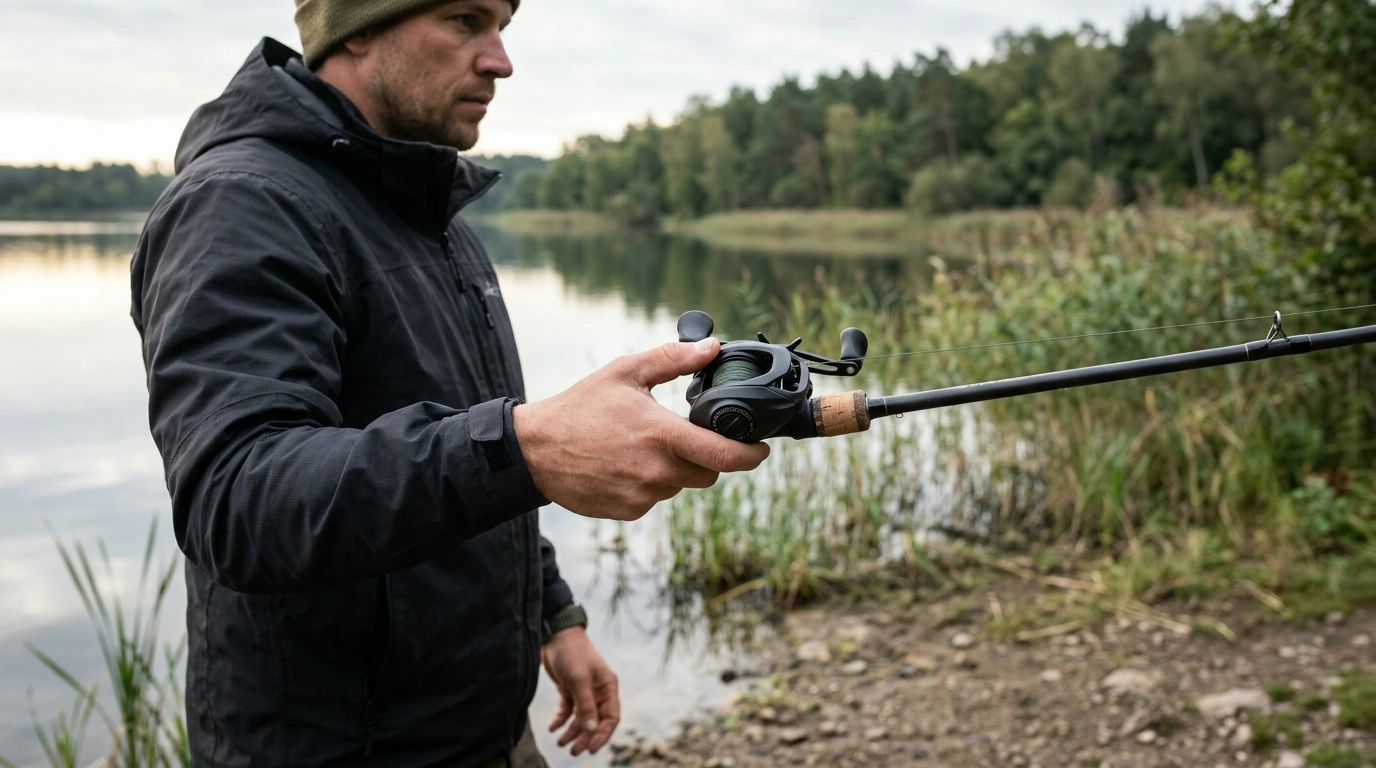
A baitcasting reel can give you hands-on control over your cast, but getting comfortable with one takes a little practice. Our Ultra-Light Carbon Baitcasting Reel is an in-stock option with a magnetic brake system and a stated 4kg maximum drag. Whether you are setting up your first baitcaster or looking for a lightweight option, we’ll help you understand the features and make practical choices before you head to the water. For more guidance, see Best Budget Baitcasting – Fishing WA – FishingWA.
Meet the Ultra-Light Carbon Baitcasting Reel
Our Ultra-Light Carbon Baitcasting Reel with 4kg Drag combines a lightweight carbon design with adjustable drag and magnetic casting brakes. It is listed at $65.17 and is currently in stock; visit the product page for current pricing and availability. For further reading, see permanent mold casting: Topics by ….
Before you buy, confirm the exact reel weight, line capacity, gear ratio, and construction of the components that matter to you. “Carbon” describes the design, but it does not tell you which individual parts contain carbon or specify the construction of every component.
Consider how you plan to fish, too. The right reel setup depends on your rod, line, usual lures, and the conditions you expect—not just the drag number printed in a product description.
What the Drag and Brake System Do
Drag and braking both apply resistance, but they do different jobs. The drag controls how readily line leaves the reel when a fish pulls. A magnetic brake helps regulate spool speed during a cast, when the spool is turning as line travels toward your target.
The reel’s 4kg rating is its stated maximum drag, not a promise that it can land a fish of a particular size. Fish behavior, line strength, knots, rod action, and your technique all affect what happens during a fight. Set the drag for your line and fishing situation rather than automatically tightening it to the maximum.
When learning to cast, start with more magnetic braking. Once you can cast consistently without overruns, reduce the brake gradually and pay attention to how the spool behaves. You still need to control the spool with your thumb, particularly as the lure approaches the water.
Reel Features at a Glance
| Feature | Purpose | Practical Guidance |
|---|---|---|
| Ultra-light carbon design | Provides the reel’s lightweight design | Check the exact weight and component materials if needed. |
| 4kg drag | Provides resistance when line is pulled from the reel | Adjust drag to suit the line and fishing conditions. |
| Magnetic brake system | Helps control spool speed during casting | Begin with more braking and adjust as needed. |
Getting Comfortable with Your Baitcaster
Pair the reel with a compatible baitcasting rod and choose line suited to the conditions and fish you intend to pursue. Confirm the reel’s line capacity before filling the spool, and follow the line and rod manufacturers’ guidance. A balanced setup is easier to learn with than a collection of components chosen independently.
Before fishing, adjust the drag and brake. You can check the drag by pulling line from the rod while the reel is engaged: it should release under pressure without feeling locked down. Make adjustments carefully for your line and situation, and avoid testing by pulling directly on the line with bare hands.
Practice short casts in an open area away from people and obstacles. Begin with a smooth motion rather than trying to cast as hard as possible. Rest your thumb lightly over the spool during the cast, then stop the spool as the lure lands. If loose loops form, pause and clear them before casting again.
A backlash happens when the spool releases line faster than the lure carries it away. More braking and attentive thumb control can reduce the chance of one, but neither replaces practice. As your control improves, make small adjustments one at a time so you can tell what each change does.
Plan for Your Time on the Water
Think about where you will cast and how much room you will have. A shoreline with open space can make practice simpler, while casting from a kayak calls for extra awareness of your surroundings and equipment. If you are also exploring ways to get on the water, our 3.6M Thickened PVC Inflatable Kayak is another in-stock option. Confirm its specifications and suitability for your intended water before making plans.
Wherever you fish, follow local rules and prepare for the conditions. If you plan to release your catch, NOAA’s guidance on careful catch and release offers practical ways to handle fish with care.
Care After a Day on the Water
Wipe the reel clean and dry after use, and follow any product-specific care instructions. Check your line for nicks, abrasion, or weakened sections, especially near the lure and any knots. Replace damaged line before your next trip, and store the reel in a dry place.
Ready to compare the details? Our team invites you to explore the Ultra-Light Carbon Baitcasting Reel and confirm that its specifications fit your setup.
FAQ
What is light carbon?
Light carbon generally refers to a lightweight carbon-based material or construction, not one standardized material. The phrase alone does not identify which reel components contain carbon.
What does 4kg drag mean on a baitcasting reel?
It is the stated maximum drag rating: the resistance the drag can apply before line pays out. The right setting depends on your line and fishing situation.
How does a magnetic brake help when casting?
A magnetic brake helps regulate spool speed during the cast and can reduce backlash when adjusted appropriately. You still need to control the spool with your thumb.
Recommended for you


A4 Leather Conference Folder for Organized Meetings
Nov 19, 2026
Juggling Work and Parenting: Find Your Family Rhythm
Nov 19, 2026













Leave a comment