-
Shop
- Advanced Technologies
- AI Skills
- Bathroom
- Best-Sellers
- Car Accessories
- Confidence
- Dating & Social Skills
- Digital Resources
- AI & Technology
- Beauty
- Budgeting & Saving
- Car Buying & Ownership
- Cozy Feast Collection
- Electronics & Technology
- Entrepreneurship & Business Growth
- Financial Education
- Financial Independence
- Financial Mindset & Psychology
- Goal Setting
- Home Styling & Organization
- Kitchen & Recipes
- Leadership
- Mindfulness
- Mindset
- Online Business
- Parenting & Child Development
- Personal Style & Fashion
- Pet Lifestyle & Wellness
- Positive Thinking
- Sleep Improvement
- Smart Life with AI
- Stress Management & Relaxation
- Travel Planning
- Wellness
- Yoga & Fitness
- Yoga & Mind-Body Practices
- Education & Learning
- Family & Parenting
- Fashion
- Accessories
- Alexander McQueen
- Bags
- Bags & Wallets
- Balenciaga
- Belts
- Blazers
- Bottega Veneta
- Bottoms
- Brunello Cucinelli
- Burberry
- Chanel
- Chloé
- Dior
- Dolce & Gabbana
- Dresses
- Etro
- Fendi
- Gucci
- Hats & Hair Accessories
- Hoodies & Sweatshirts
- Jacquemus
- Jewelry
- Jil Sander
- Kiton
- Luggage
- Miu Miu
- Off-White
- Outerwear
- Prada
- Rick Owens
- Saint Laurent
- Shoes
- Socks & Tights
- Sweaters & Cardigans
- The Row
- Tom Ford
- Tops & Shirts
- Valentino
- Valentino Garavani
- Versace
- Vivienne Westwood
- Watches
- Fashion Accessories
- Furniture
- Gadgets
- Health & Beauty
- Health & Wellness
- Home & Garden
- Home Decor
- Home Electronics
- Home Supplies
- Kids & Babies
- Kitchen
- Kitchen Best-Sellers
- Lighting
- Patio, Lawn & Garden
- Personal Growth
- Pet Care
- Pet Supplies
- Pets
- Sport & Outdoors
- Super Deals
- Travel
- Travel & Adventure
- Wealth
- Popular
- Best deals
Purrfectly Clean Ears: How to Clean Cat Ears Safely
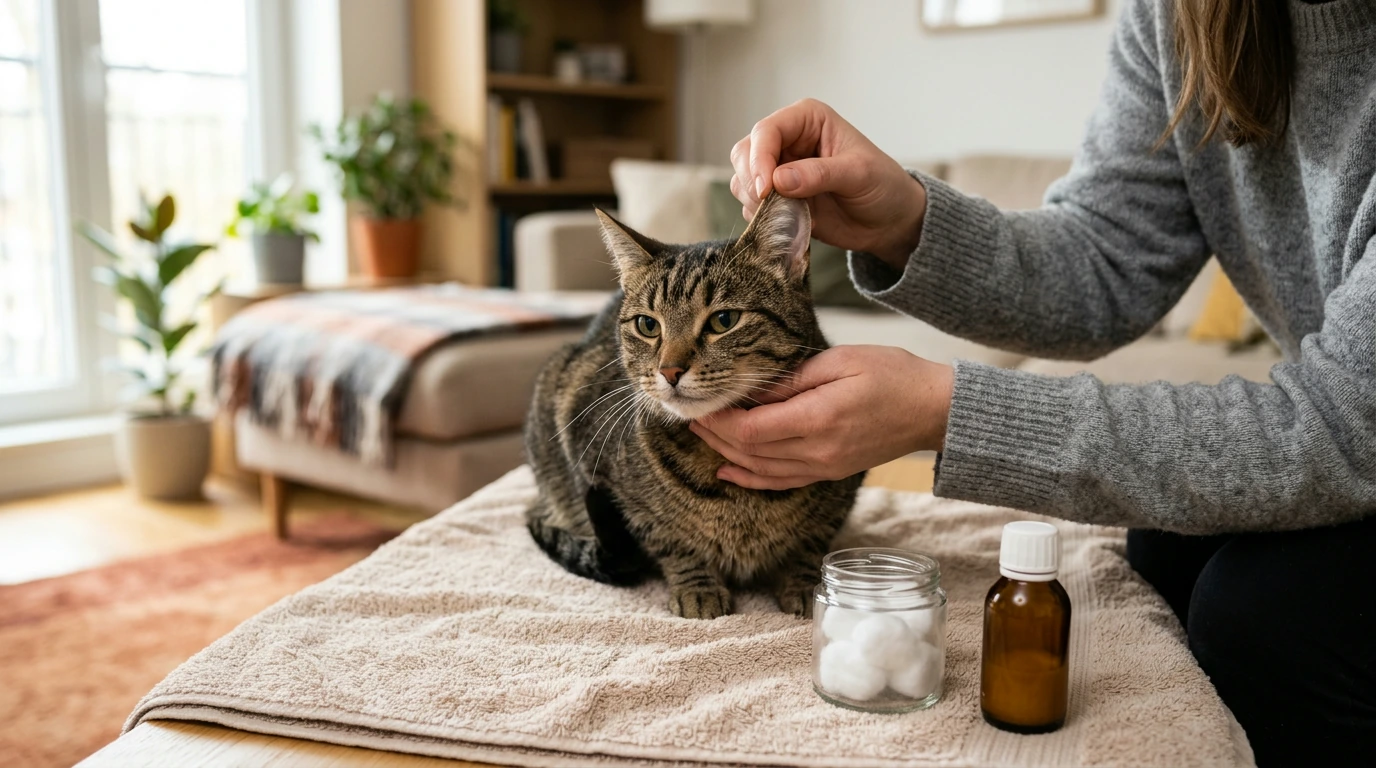
Help your cat stay comfortable with a calm, gentle approach to ear care. Clean ears are not necessarily ears that need cleaning, so the first step is knowing when to leave them alone and when to call your veterinarian. For more guidance, see A Comprehensive Guide to Cat Grooming in Lebanon.
Our Purrfectly Clean Ears guide is a starting point for owners who want to understand the basics. With the right supplies and a little patience, you can make an appropriate cleaning session less stressful for both of you. For further reading, see How to Prevent and Treat Ticks On Cats.
A closer look at Purrfectly Clean Ears
Our Purrfectly Clean Ears: A Gentle Guide to Keeping Your Cat’s Ears Healthy is a resource for cat owners interested in safe ear-care basics. It can help you prepare for conversations with your veterinarian and approach routine checks with more confidence.
The guide is listed at $8.99. Visit the product page for current availability. It is a starting point, not a substitute for a veterinary examination, diagnosis, or treatment.
When does a cat need its ears cleaned?
Many cats do not need routine ear cleaning. Cleaning an already healthy ear unnecessarily can irritate it, so ask your veterinarian whether your cat needs cleaning and, if so, how often. The answer may depend on your cat’s ears and medical history.
A healthy-looking ear is generally clean, without a strong odor, marked redness, or visible discharge. A little debris does not automatically mean you should reach for a cleaner. If you are unsure what you are seeing, ask your veterinarian before doing anything.
Contact your veterinarian before cleaning if your cat has pain, persistent scratching, head shaking, swelling, discharge, or an unusual odor. These signs can accompany an ear problem that needs an examination. Cornell’s guide to ear infections in cats explains why a proper diagnosis matters.
| Observation | Next step |
|---|---|
| Ear looks clean and the cat is comfortable | Cleaning may not be needed; ask your veterinarian for advice. |
| Mild visible debris without signs of discomfort | Ask your veterinarian whether cleaning is appropriate. |
| Pain, redness, odor, discharge, or frequent head shaking | Contact your veterinarian rather than cleaning first. |
What to use for gentle ear care
If your veterinarian recommends cleaning, choose a cat-safe ear cleaner with their guidance. Gather cotton balls or soft gauze, a towel, and a few treats. Keep everything within reach so you do not have to interrupt the session to find supplies.
Avoid alcohol, hydrogen peroxide, homemade solutions, and products intended for human ears unless your veterinarian specifically directs you to use them. Do not put cotton swabs inside the ear canal; they can push debris deeper or injure delicate tissue.
Choose a quiet space where your cat feels secure. A towel may help you gently wrap your cat if needed, but do not force a struggling cat to continue. Take a break or ask your veterinary team for help if your cat becomes distressed.
How to clean your cat’s ears safely
Begin only after your veterinarian has confirmed that cleaning is appropriate. Follow their instructions and the cleaner’s label, including the recommended amount and frequency.
- Get comfortable. Let your cat settle, offer a treat, and keep your movements slow. You can pause after each step if your cat needs a break.
- Apply the cleaner. Gently lift the ear flap and use the recommended cleaner as directed. Do not insert the bottle tip into the ear.
- Massage gently. Rub the base of the ear as your veterinarian directs to help loosen debris. Then allow your cat to shake its head.
- Wipe what you can reach. Use cotton or soft gauze to remove loosened material from the accessible outer ear. Never push material into the ear canal.
Stop and contact your veterinarian if cleaning causes pain or the ear looks worse. You can also review VCA’s cat ear-cleaning instructions and ask your veterinary team to demonstrate the process.
Make ear checks a calmer habit
Keep checks brief and pair them with treats or another reward your cat enjoys. You might start by gently touching an ear, rewarding your cat, and stopping there. Over time, a relaxed look at the outer ear can become part of your normal care routine without turning every check into a cleaning session.
Watch for changes between checks, including new odor, discharge, redness, scratching, or head shaking. Contact your veterinarian if symptoms appear. For a dedicated introduction to the subject, our Purrfectly Clean Ears guide is available through the product link above.
If you also run a small business, our AI for Small Business Toolkit is a separate resource for business planning, not a cat-care product.
FAQ
What is the best product to clean a cat’s ears?
Choose a cat-safe ear cleaner with your veterinarian’s guidance. Human ear products and homemade solutions may be unsuitable or irritating.
How often should I clean my cat’s ears?
It depends on your cat, and many cats do not need routine cleaning. Follow your veterinarian’s recommendation rather than setting a schedule on your own.
Should I clean my cat’s ears if they smell bad?
Contact your veterinarian first. An unusual odor can signal an ear problem that needs diagnosis and treatment.
What’s the best product to clean your ears?
For your own ears, ask a healthcare professional what is appropriate, especially if you have pain, drainage, or hearing changes. Avoid putting cotton swabs or other objects into the ear canal.
Are Chinese ear cleanings safe?
Ear cleaning that involves inserting tools into the ear canal can cause injury or infection if performed improperly. A healthcare professional can advise you on safe care, especially if you have symptoms or a history of ear problems.
Recommended for you


Sparkle at Every Touch: Clean Switches and Handles
Nov 19, 2026













Leave a comment