-
Shop
- Advanced Technologies
- AI Skills
- Bathroom
- Best-Sellers
- Car Accessories
- Confidence
- Dating & Social Skills
- Digital Resources
- AI & Technology
- Beauty
- Budgeting & Saving
- Car Buying & Ownership
- Cozy Feast Collection
- Electronics & Technology
- Entrepreneurship & Business Growth
- Financial Education
- Financial Independence
- Financial Mindset & Psychology
- Goal Setting
- Home Styling & Organization
- Kitchen & Recipes
- Leadership
- Mindfulness
- Mindset
- Online Business
- Parenting & Child Development
- Personal Style & Fashion
- Pet Lifestyle & Wellness
- Positive Thinking
- Sleep Improvement
- Smart Life with AI
- Stress Management & Relaxation
- Travel Planning
- Wellness
- Yoga & Fitness
- Yoga & Mind-Body Practices
- Education & Learning
- Family & Parenting
- Fashion
- Accessories
- Alexander McQueen
- Bags
- Bags & Wallets
- Balenciaga
- Belts
- Blazers
- Bottega Veneta
- Bottoms
- Brunello Cucinelli
- Burberry
- Chanel
- Chloé
- Dior
- Dolce & Gabbana
- Dresses
- Etro
- Fendi
- Gucci
- Hats & Hair Accessories
- Hoodies & Sweatshirts
- Jacquemus
- Jewelry
- Jil Sander
- Kiton
- Luggage
- Miu Miu
- Off-White
- Outerwear
- Prada
- Rick Owens
- Saint Laurent
- Shoes
- Socks & Tights
- Sweaters & Cardigans
- The Row
- Tom Ford
- Tops & Shirts
- Valentino
- Valentino Garavani
- Versace
- Vivienne Westwood
- Watches
- Fashion Accessories
- Furniture
- Gadgets
- Health & Beauty
- Health & Wellness
- Home & Garden
- Home Decor
- Home Electronics
- Home Supplies
- Kids & Babies
- Kitchen
- Kitchen Best-Sellers
- Lighting
- Patio, Lawn & Garden
- Personal Growth
- Pet Care
- Pet Supplies
- Pets
- Sport & Outdoors
- Super Deals
- Travel
- Travel & Adventure
- Wealth
- Popular
- Best deals
How to Be Confident With Braces: A Smile Checklist
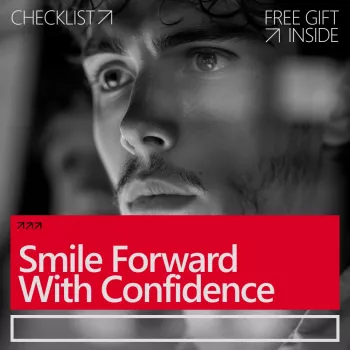
Getting used to braces can take time, especially when you notice them every time you smile. You don’t have to wait until treatment is over to feel comfortable showing your personality. Small routines, supportive people, and a little patience can make everyday moments feel easier.
We put together this practical approach to help you smile on your own terms. Start with the everyday checklist below, then explore our Smile Forward With Confidence checklist if you’d like more guidance.
Start With a Smile That Feels Like You
If your braces are new, feeling self-conscious is a normal response to a change in your appearance. You may notice your brackets more than anyone else does, but that doesn’t mean you need to dismiss your feelings. Give yourself room to adjust without setting a deadline for confidence.
Try smiling in the mirror when you have a quiet moment. Relax your jaw and experiment with a few expressions, whether that means a small smile or a wider one. The goal isn’t to find a perfect angle; it’s to become more familiar with how your smile feels.
Confidence can grow through ordinary moments: laughing at a friend’s joke, saying hello to a neighbor, or speaking up in a conversation. You don’t have to make every moment a test of how comfortable you look.
A Simple Confidence Checklist
A repeatable routine can take some of the guesswork out of the day. Use these ideas as a starting point, and adjust them to suit your comfort and your orthodontist’s instructions.
Everyday Steps for Feeling More Confident
| Moment | Try this | Why it helps |
|---|---|---|
| Morning | Brush carefully and check for trapped food | Helps you feel prepared for the day |
| Before heading out | Pack orthodontic wax and a small mirror | Makes minor discomfort or quick checks easier to manage |
| Photos | Relax your face and try a natural smile | Takes pressure off finding a perfect pose |
| After meals | Check your braces and clean as directed | Supports a comfortable, fresh feeling |
You can keep a small care kit in your bag or somewhere convenient at work or school. If frequent mirror checks make you feel more anxious, choose a few useful times to check instead of monitoring your smile throughout the day. A routine should support you, not become another source of pressure.
Make Social Moments More Comfortable
Photos can feel especially noticeable when you’re adjusting to braces. Start at home by trying a few relaxed expressions, then take a casual picture with someone you trust. You might prefer a candid shot to a posed one, or you might feel better knowing you can take a few pictures and choose your favorite.
If someone asks about your braces, you can keep your response simple: “They’re part of my treatment journey.” You don’t owe anyone a detailed explanation. If you’d rather change the subject, that’s fine too.
During a conversation, try turning your attention toward the person you’re with. Listen to their story, ask a question, or enjoy the activity you’re sharing. Connection isn’t dependent on maintaining a particular expression, and your smile doesn’t need to look a certain way to be genuine.
Give Your Smile the Care It Deserves
Good care can help you feel prepared as well as support your treatment. Follow your orthodontist’s guidance for brushing and flossing around your braces, including any tools or techniques they recommend. Ask which foods to avoid, since some foods can damage orthodontic appliances.
Orthodontic wax may help ease irritation where a bracket rubs against your cheek or lip. Use it as directed, and contact your orthodontist if you’re unsure how to apply it. For persistent pain, a loose bracket, or a poking wire, reach out to your orthodontist rather than trying to fix the appliance yourself.
For additional oral-health information, visit the American Association of Orthodontists and the American Dental Association’s MouthHealthy resource. These general resources complement, but don’t replace, advice from your own care team.
Explore the Smile Forward With Confidence Checklist
If you’d like a dedicated confidence resource, our Smile Forward With Confidence: Your Ultimate Checklist for How to Be Confident with Braces is an option to explore. It’s listed at $3.99 USD and is in stock. Our team recommends choosing support that feels useful to you, alongside the individualized care you receive from your orthodontist.
Think about what would make the biggest difference in your day: a reminder to be kinder to yourself, a more consistent care routine, or practice feeling at ease in photos. You can begin with one manageable step and build from there.
If you’re also looking for resources for a separate project, we offer the AI for Small Business Toolkit – 5-in-1 Digital Download Bundle. It’s an unrelated option for small-business planning, not a braces-care resource.
FAQ
How to smile with confidence?
Start with a relaxed smile and practice in settings where you feel comfortable. Focus on enjoying the moment rather than trying to look perfect.
How can I feel more confident with braces in photos?
Try a few natural expressions at home, relax your shoulders, and take photos with people who help you feel at ease.
What should I do if my braces are uncomfortable?
Follow your orthodontist’s instructions; orthodontic wax may help with irritation when used as directed. Contact your orthodontist about persistent pain, a loose bracket, or a poking wire.
Recommended for you


2-in-1 Bike Cable Lock with Built-In Taillight Guide
Nov 19, 2026













Leave a comment