-
Shop
- Advanced Technologies
- AI Skills
- Bathroom
- Best-Sellers
- Car Accessories
- Confidence
- Dating & Social Skills
- Digital Resources
- AI & Technology
- Beauty
- Budgeting & Saving
- Car Buying & Ownership
- Cozy Feast Collection
- Electronics & Technology
- Entrepreneurship & Business Growth
- Financial Education
- Financial Independence
- Financial Mindset & Psychology
- Goal Setting
- Home Styling & Organization
- Kitchen & Recipes
- Leadership
- Mindfulness
- Mindset
- Online Business
- Parenting & Child Development
- Personal Style & Fashion
- Pet Lifestyle & Wellness
- Positive Thinking
- Sleep Improvement
- Smart Life with AI
- Stress Management & Relaxation
- Travel Planning
- Wellness
- Yoga & Fitness
- Yoga & Mind-Body Practices
- Education & Learning
- Family & Parenting
- Fashion
- Accessories
- Alexander McQueen
- Bags
- Bags & Wallets
- Balenciaga
- Belts
- Blazers
- Bottega Veneta
- Bottoms
- Brunello Cucinelli
- Burberry
- Chanel
- Chloé
- Dior
- Dolce & Gabbana
- Dresses
- Etro
- Fendi
- Gucci
- Hats & Hair Accessories
- Hoodies & Sweatshirts
- Jacquemus
- Jewelry
- Jil Sander
- Kiton
- Luggage
- Miu Miu
- Off-White
- Outerwear
- Prada
- Rick Owens
- Saint Laurent
- Shoes
- Socks & Tights
- Sweaters & Cardigans
- The Row
- Tom Ford
- Tops & Shirts
- Valentino
- Valentino Garavani
- Versace
- Vivienne Westwood
- Watches
- Fashion Accessories
- Furniture
- Gadgets
- Health & Beauty
- Health & Wellness
- Home & Garden
- Home Decor
- Home Electronics
- Home Supplies
- Kids & Babies
- Kitchen
- Kitchen Best-Sellers
- Lighting
- Patio, Lawn & Garden
- Personal Growth
- Pet Care
- Pet Supplies
- Pets
- Sport & Outdoors
- Super Deals
- Travel
- Travel & Adventure
- Wealth
- Popular
- Best deals
Handling Teenage Rebellion: A Parent’s Checklist
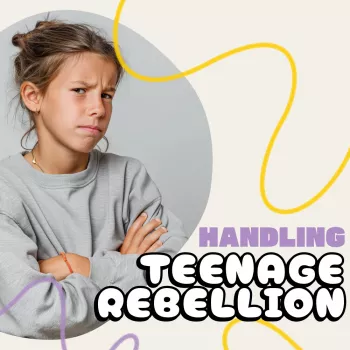
When your teenager challenges a rule, it can be tempting to settle the disagreement on the spot. A pause and a thoughtful conversation often give you a better chance to understand what is happening and decide what comes next.
We suggest approaching teenage rebellion as a communication and boundary-setting challenge rather than a contest to win. Our printable parenting guide can help you prepare for a conversation and keep expectations organized, while leaving room to adapt as your teen grows.
Start with Connection, Not Confrontation
If a conversation is getting heated, pause before responding. You might say, “I want to hear you, but I need a few minutes to calm down first.” Choose a time to return to the discussion when everyone can speak without shouting. If there is an immediate safety concern, address it first rather than waiting for a perfect moment.
Begin with curiosity. Ask open-ended questions such as, “What feels unfair about this rule?” or “What would you like me to understand?” Let your teen finish before you explain your perspective. You do not have to agree with every point to acknowledge that their feelings matter.
It also helps to separate everyday disagreements from more serious concerns. Arguing about chores or wanting a later curfew may be part of negotiating independence. Threats of harm, signs of a mental health crisis, or behavior that puts someone in danger call for a different response and may require professional help. The CDC’s positive parenting tips for teenagers offer more ideas for supporting teens as they develop.
Make Family Boundaries Clear
Choose a few expectations that matter most instead of trying to regulate every detail. Explain the purpose behind each boundary, invite your teen’s input, and make the agreement specific enough that everyone knows what it means. For example, “let us know if you are running late” is clearer than “be more responsible.”
Discuss consequences before a problem occurs. Aim for a reasonable response connected to the issue, and avoid making threats in the heat of an argument. As your teen demonstrates responsibility, revisit rules and consider whether they can take on more independence.
The examples below are conversation starters, not universal rules. Your family’s agreements should reflect your teen’s age, needs, schedule, and circumstances.
| Topic | Conversation starter | Possible agreement |
|---|---|---|
| Curfew | What feels like a reasonable time to be home? | Agree on a time and how to communicate delays. |
| Devices | When do screens get in the way of sleep or family time? | Set a shared device-free period. |
| Household responsibilities | Which tasks can you take ownership of? | Choose tasks and agree when they will be done. |
Use the Printable Guide to Plan Your Next Conversation
Our Your Checklist for Handling Teenage Rebellion is a digital parenting guide and printable planner for family communication and boundaries. It is listed at $2.99; visit the product page for purchase details.
Before you talk, pick one issue rather than a long list of grievances. Use the guide to organize what you want to discuss, the expectation you want to clarify, and the questions you want to ask. Afterward, keep the agreed-upon expectations somewhere you can refer to them together.
For example, if missed chores are causing tension, prepare to ask what is getting in the way before deciding on a schedule. Your teen may need a clearer deadline, a different task, or a chance to explain a competing commitment. The goal is an agreement you both understand, not a script that fits every family.
If you also run a small business, our AI for Small Business Toolkit is a separate digital resource for business planning; it is not a parenting guide.
Keep the Conversation Going
Set a time to check in after an agreement. Ask what is working, what feels difficult, and whether anything needs to change. A rule that seemed reasonable at first may need a clearer deadline or a different approach once you see it in practice.
Notice progress, even when it is imperfect. Thank your teen for communicating a delay or taking ownership of a task. Model the respect you are asking for by listening, keeping your commitments, and apologizing when you have handled a conversation poorly.
If behavior raises concerns about safety, mental health, or persistent family conflict, seek help from a qualified professional, such as a pediatrician or mental health clinician. In an immediate emergency, contact local emergency services. The American Academy of Pediatrics’ teen resources can also help you explore developmental and health topics.
Before choosing, compare the product details with your daily routine, available space, care needs, and preferred setup. The strongest option is usually the one that fits the intended use clearly and remains simple to clean, store, and check before repeat use.
FAQ
How should I respond when my teenager challenges a rule?
Stay calm and listen to your teen’s reasoning. Explain the purpose of the boundary and discuss whether the rule needs adjustment.
Is the parenting guide a substitute for professional support?
No. The guide is a planning aid; a qualified professional can help with serious safety, mental health, or ongoing family relationship concerns.
Recommended for you


500W Food Processor: Two 8-Cup Bowls and Speeds
Nov 19, 2026













Leave a comment