-
Shop
- Advanced Technologies
- AI Skills
- Bathroom
- Best-Sellers
- Car Accessories
- Confidence
- Dating & Social Skills
- Digital Resources
- AI & Technology
- Beauty
- Budgeting & Saving
- Car Buying & Ownership
- Cozy Feast Collection
- Electronics & Technology
- Entrepreneurship & Business Growth
- Financial Education
- Financial Independence
- Financial Mindset & Psychology
- Goal Setting
- Home Styling & Organization
- Kitchen & Recipes
- Leadership
- Mindfulness
- Mindset
- Online Business
- Parenting & Child Development
- Personal Style & Fashion
- Pet Lifestyle & Wellness
- Positive Thinking
- Sleep Improvement
- Smart Life with AI
- Stress Management & Relaxation
- Travel Planning
- Wellness
- Yoga & Fitness
- Yoga & Mind-Body Practices
- Education & Learning
- Family & Parenting
- Fashion
- Accessories
- Alexander McQueen
- Bags
- Bags & Wallets
- Balenciaga
- Belts
- Blazers
- Bottega Veneta
- Bottoms
- Brunello Cucinelli
- Burberry
- Chanel
- Chloé
- Dior
- Dolce & Gabbana
- Dresses
- Etro
- Fendi
- Gucci
- Hats & Hair Accessories
- Hoodies & Sweatshirts
- Jacquemus
- Jewelry
- Jil Sander
- Kiton
- Luggage
- Miu Miu
- Off-White
- Outerwear
- Prada
- Rick Owens
- Saint Laurent
- Shoes
- Socks & Tights
- Sweaters & Cardigans
- The Row
- Tom Ford
- Tops & Shirts
- Valentino
- Valentino Garavani
- Versace
- Vivienne Westwood
- Watches
- Fashion Accessories
- Furniture
- Gadgets
- Health & Beauty
- Health & Wellness
- Home & Garden
- Home Decor
- Home Electronics
- Home Supplies
- Kids & Babies
- Kitchen
- Kitchen Best-Sellers
- Lighting
- Patio, Lawn & Garden
- Personal Growth
- Pet Care
- Pet Supplies
- Pets
- Sport & Outdoors
- Super Deals
- Travel
- Travel & Adventure
- Wealth
- Popular
- Best deals
Fitness & Diet Synergy Checklist: Weekly Routine Planner
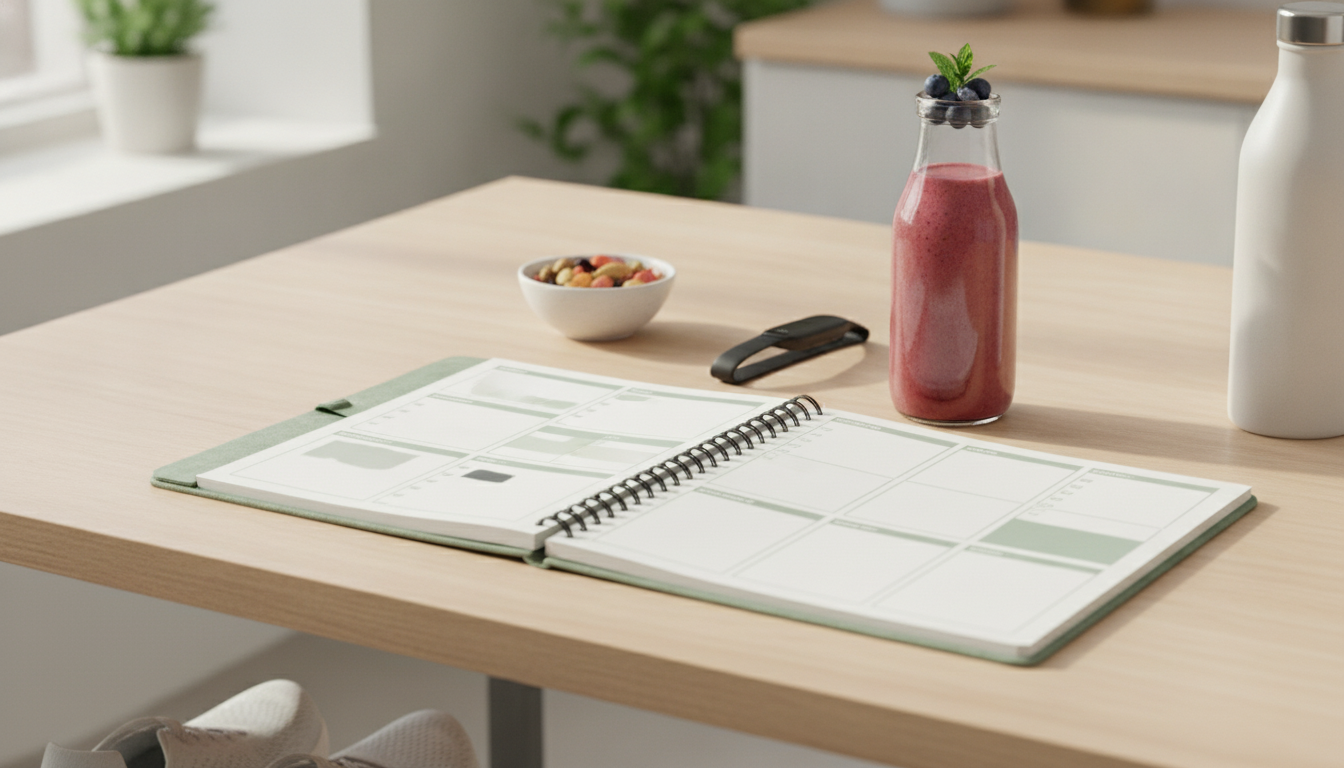
Turn Training, Meals, and Recovery Into One Repeatable Routine
Consistent results tend to come from pairing smart training with supportive nutrition and recovery. A printable checklist makes that pairing easier by turning daily decisions—workouts, meals, hydration, sleep—into a repeatable routine you can follow and adjust each week.
Instead of trying to “wing it” day by day, a simple planner helps connect the dots: what you do in the gym influences what you should eat, and what you eat influences how well you recover and show up tomorrow.
Why fitness and diet work better together
Workout plans and meal plans often fail for the same reason: they’re treated like separate projects. When they’re connected, each supports the other.
- Training creates the stimulus; nutrition supplies the building blocks for performance and recovery.
- Balanced meals can improve workout quality by supporting energy availability and stable blood sugar.
- Adequate protein and total calories support muscle repair and lean mass goals.
- Carbohydrates help fuel higher-intensity sessions; healthy fats support hormones and satiety.
- Hydration and electrolytes influence endurance, strength output, and perceived effort.
- Sleep and stress management affect appetite regulation, recovery rate, and training consistency.
For baseline guidance, the CDC Physical Activity Guidelines outline weekly movement targets, while the Dietary Guidelines for Americans provide a framework for balanced eating patterns. Athletes and active adults can also reference the joint position stand on Nutrition and Athletic Performance for fueling principles.
What the Fitness & Diet Synergy Checklist helps organize
A good checklist doesn’t add complexity—it reduces it. The goal is to make the “right next step” obvious, even on busy days.
- Daily movement plan: strength, cardio, steps, mobility, and rest days in one view.
- Meal structure: protein target, produce servings, fiber focus, and hydration reminders.
- Recovery actions: sleep goal, stretching, and low-intensity movement for circulation.
- Progress cues: energy levels, hunger, soreness, and performance notes to guide adjustments.
- Consistency tracking: simple checkboxes reduce decision fatigue and highlight patterns.
- Printable format: easy to keep on a fridge, desk, or gym bag; can be reused weekly.
A weekly routine using the checklist (15 minutes to set up)
A short weekly setup can prevent the common midweek spiral of skipped workouts, random meals, and late-night catch-up. Keep the plan realistic, then let the checklist carry the routine.
- Pick one primary goal for the week (strength, fat loss support, endurance base, or general wellness).
- Choose 3–5 training sessions and assign intensity (hard/moderate/easy) to prevent overloading.
- Plan meals around training days: more carbs near harder sessions; prioritize protein daily.
- Identify 2–3 “default meals” for busy days to stay consistent without overplanning.
- Set a hydration minimum and a sleep window; treat these as non-negotiables.
- Add one recovery action on hard days (mobility, light walk, or extra sleep).
Weekly setup snapshot (example)
| Day type | Training focus | Nutrition focus | Recovery focus |
|---|---|---|---|
| Hard training day | Strength or intervals | Carbs around workout + protein at each meal | Extra hydration + 7–9 hours sleep |
| Moderate day | Steady cardio or full-body strength | Balanced plate (protein, fiber-rich carbs, healthy fats) | 10–15 min mobility |
| Easy/rest day | Steps, stretching, rest | Protein + produce; slightly lower carbs if preferred | Stress reduction + earlier bedtime |
Building meals that support workouts (simple plate rules)
Meals don’t need to be perfect to be effective. A few repeatable “plate rules” can cover most goals—fat loss support, strength, or general health—without obsessive tracking.
- Start with protein: aim for a high-quality source at each meal (lean meats, eggs, dairy, tofu/tempeh, legumes).
- Add colorful plants: include fruits and vegetables for micronutrients, antioxidants, and fiber.
- Choose performance carbs: oats, rice, potatoes, whole grains, beans, and fruit—especially useful around training.
- Include healthy fats: olive oil, nuts, seeds, avocado, and fatty fish for satiety and nutrient absorption.
- Hydrate consistently: water throughout the day; consider electrolytes for long, hot, or sweaty sessions.
- Time it simply: a protein + carb snack 1–3 hours pre-workout and protein + carbs after hard sessions can help recovery.
Common sticking points—and how the checklist keeps momentum
Most plateaus aren’t about willpower; they’re about friction. A checklist reduces friction by setting minimums and making gaps obvious early.
- “All-or-nothing” weeks: use minimums (steps, protein, sleep) to maintain progress even when busy.
- Meal inconsistency: repeat a few go-to breakfasts and lunches; rotate dinners for variety.
- Undereating on training days: watch for low energy, poor performance, and intense cravings later; bump carbs and total calories around hard sessions.
- Overtraining: schedule at least one easy day; track soreness, sleep quality, and motivation so you can deload before burnout.
- Protein gaps: anchor meals with protein first, then build the plate around it.
- Poor hydration: tie water intake to habits (after waking, with each meal, during workouts).
Printable planner tips for long-term adherence
- Keep it visible: post it where decisions happen (kitchen, desk, gym bag).
- Track behaviors, not just outcomes: check off meals, workouts, sleep, and hydration first.
- Use weekly reflections: identify one change to keep and one to adjust (for example, add a vegetable at lunch).
- Plan for obstacles: add a “backup workout” and “backup meal” list for hectic days.
- Review monthly: compare energy, performance, and mood notes to spot what works best.
Product options to make planning easier
- The Fitness & Diet Synergy Checklist | Fitness and Diet Combined Benefits Planner | Printable Wellness & Nutrition Checklist (digital download): Designed to pair training with meal structure and recovery habits, with simple checkboxes that make patterns easy to spot.
- 3.6M Thickened PVC Inflatable Kayak: A fun way to add low-impact cardio and outdoor movement on easy days, active recovery days, or weekends.
FAQ
What foods are good for a fitness diet?
A solid fitness diet includes protein (chicken, fish, eggs, Greek yogurt, tofu, beans), performance carbs (oats, rice, potatoes, fruit, whole grains), healthy fats (olive oil, nuts, seeds, avocado), and plenty of vegetables. Adjust portions based on your training load, hunger, and goals.
Recommended for you



Soft Corner Meaning: Safer Rounded Edges at Home
Jul 11, 2026













Leave a comment