-
Shop
- Advanced Technologies
- AI Skills
- Bathroom
- Best-Sellers
- Car Accessories
- Confidence
- Dating & Social Skills
- Digital Resources
- AI & Technology
- Beauty
- Budgeting & Saving
- Car Buying & Ownership
- Cozy Feast Collection
- Electronics & Technology
- Entrepreneurship & Business Growth
- Financial Education
- Financial Independence
- Financial Mindset & Psychology
- Goal Setting
- Home Styling & Organization
- Kitchen & Recipes
- Leadership
- Mindfulness
- Mindset
- Online Business
- Parenting & Child Development
- Personal Style & Fashion
- Pet Lifestyle & Wellness
- Positive Thinking
- Sleep Improvement
- Smart Life with AI
- Stress Management & Relaxation
- Travel Planning
- Wellness
- Yoga & Fitness
- Yoga & Mind-Body Practices
- Education & Learning
- Family & Parenting
- Fashion
- Accessories
- Alexander McQueen
- Bags
- Bags & Wallets
- Balenciaga
- Belts
- Blazers
- Bottega Veneta
- Bottoms
- Brunello Cucinelli
- Burberry
- Chanel
- Chloé
- Dior
- Dolce & Gabbana
- Dresses
- Etro
- Fendi
- Gucci
- Hats & Hair Accessories
- Hoodies & Sweatshirts
- Jacquemus
- Jewelry
- Jil Sander
- Kiton
- Luggage
- Miu Miu
- Off-White
- Outerwear
- Prada
- Rick Owens
- Saint Laurent
- Shoes
- Socks & Tights
- Sweaters & Cardigans
- The Row
- Tom Ford
- Tops & Shirts
- Valentino
- Valentino Garavani
- Versace
- Vivienne Westwood
- Watches
- Fashion Accessories
- Furniture
- Gadgets
- Health & Beauty
- Health & Wellness
- Home & Garden
- Home Decor
- Home Electronics
- Home Supplies
- Kids & Babies
- Kitchen
- Kitchen Best-Sellers
- Lighting
- Patio, Lawn & Garden
- Personal Growth
- Pet Care
- Pet Supplies
- Pets
- Sport & Outdoors
- Super Deals
- Travel
- Travel & Adventure
- Wealth
- Popular
- Best deals
Clean Pets, Calm Home: Fur Control & Easy Routines
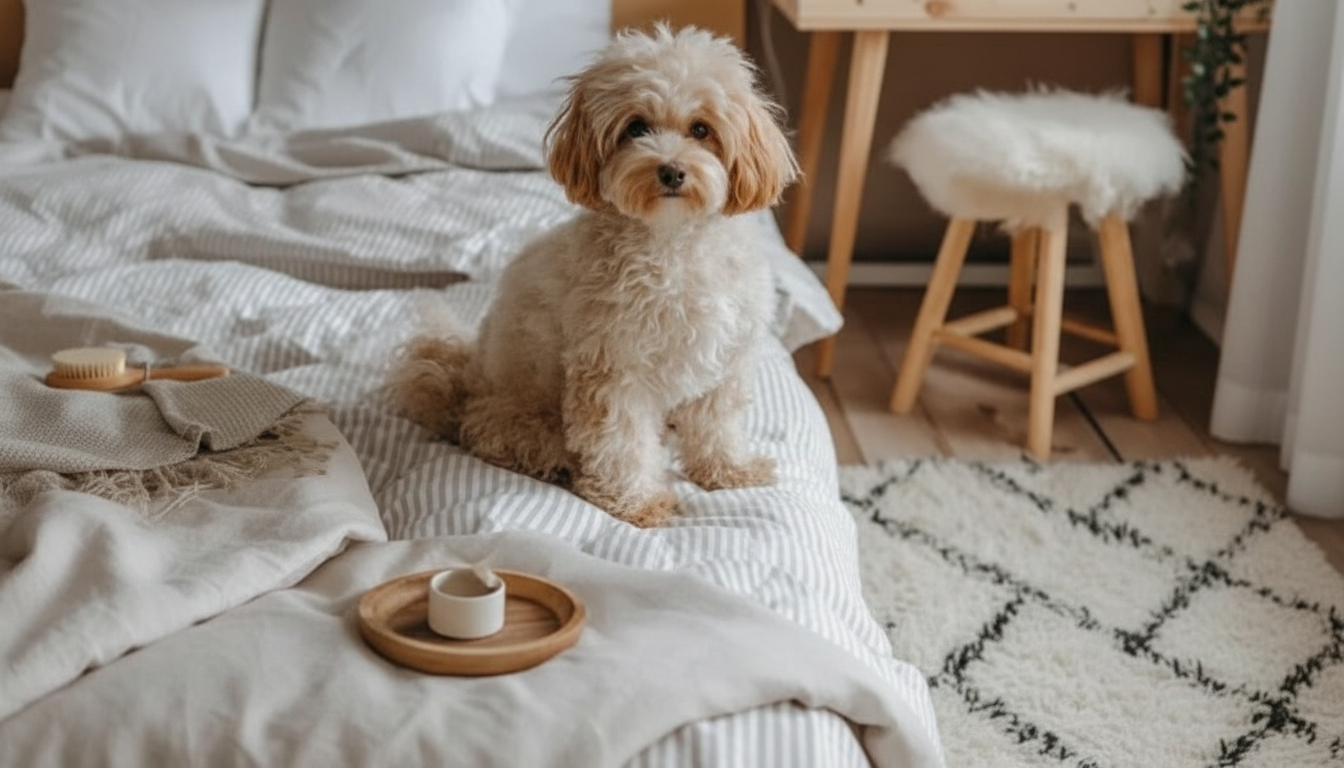
A calmer home with pets usually comes down to fewer decision points: the right tools, repeatable routines, and a plan for fur, odors, and messes before they pile up. The goal isn’t a spotless house—it’s a steady baseline that feels good to live in, whether you share space with a cat, a dog, or both.
What “clean and calm” looks like in a pet home
“Clean and calm” is less about perfection and more about controlling the messes that create daily stress. Start with what’s predictable: fur, tracked-in debris, litter scatter, accidents, and the “pet smell” hotspots—beds, rugs, and the couch zone where everyone hangs out.
Reduce friction by storing supplies where the mess happens: a small basket by the entryway, a wipe-and-spray set near the feeding station, and a trash can plus spare bags near the litter or grooming area. Short routines done often beat marathon deep cleans, especially during shedding season or when household traffic is high.
Build the home setup that prevents most mess
A few simple “zones” can stop fur and dirt from drifting into every room. Think containment first, then easy resets.
- Entryway shake-off spot: a washable mat and a small towel for paws.
- Feeding station mat: keeps splashes and crumbs off the floor and makes daily wipe-downs easy.
- Grooming corner: brush, comb, treats, and a handheld vacuum attachment stored together.
- Washable “pet landing” blanket: a designated throw for the couch or bed so hair stays on one layer.
Choose washable layers for high-traffic areas: machine-washable throws, slipcovers, and rugs that can handle frequent cycles. Upgrade the basics with lint rollers in multiple rooms, a rubber broom for rugs, and a vacuum attachment set that actually reaches upholstery seams. For drift control, use a covered hamper for pet laundry and a lidded trash can near grooming and litter zones.
Fur control that doesn’t take over the week
The highest-impact “cleaning” for pet hair happens before hair hits the floor. Consistent brushing reduces shedding in your home more effectively than vacuuming alone, because you’re removing loose coat at the source.
Match tools to coat type:
- Dense undercoats: a slicker brush or deshedding tool (used gently and not too often) can pull loose undercoat without shredding the top coat.
- Short coats: a rubber curry brush grabs hair fast and is often better tolerated.
- Tangles and fluff: a comb helps you find knots early so they don’t turn into mats.
Simple cleaning routines that keep the house steady
Fur Control Cleaning Routine (Sample Schedule)
| Frequency | Tasks | Time | Best Areas to Target |
|---|---|---|---|
| Daily | Quick sweep or vacuum high-traffic paths; wipe feeding mat; lint roll couch throw | 5–10 min | Entryway, kitchen corner, couch zone |
| 2–3x/week | Vacuum rugs and upholstery; shake pet blankets outdoors; brush pet | 15–25 min | Living room, bedroom, pet beds |
| Weekly | Wash pet bedding/throws; mop hard floors; clean litter box area/floor perimeter | 30–60 min | Laundry, litter station, hallways |
| Monthly | Vacuum under furniture; wash covers; clean baseboards; refresh odor-prone spots | 60–120 min | Couch, corners, vents, baseboards |
Odor and mess control without harsh chemicals
Odor control works best when you remove the source first. Wash fabrics, empty litter, clean bowls, and wipe saliva marks before adding any fragrance. If you use cleaners, stick to pet-safe habits: ventilate rooms, rinse surfaces pets lick, and store products securely and out of reach. The ASPCA’s guidance on household cleaners and pets is a helpful reference for safety basics: ASPCA: Cleaning Products and Pets.
Keeping pets calm during grooming and cleaning
Choice-based handling helps: offer pauses, use treats, and stop before your pet escalates. Add calm environmental cues—like a dedicated mat or bed as a “station,” softer lighting, and less clutter in pet zones—so cleaning time doesn’t feel chaotic. For broader pet health and behavior resources, the AVMA Pet Owner Resources and the CDC Healthy Pets, Healthy People hub are solid starting points.
What’s inside the Clean Pets, Calm Home digital guide
If you want a ready-made system you can follow without reinventing your routine every week, the Clean Pets, Calm Home digital download lays out step-by-step routines for fur control, surface resets, laundry flow, and zone-based upkeep. It’s designed to be repeatable—small actions that prevent the “everything is dirty” spiral—and it’s easy to use on a phone, tablet, or computer.
For households that like automated reminders and checklists, pairing routines with simple systems can help. Some shoppers also use digital organization tools to keep schedules consistent, such as the AI for Small Business Toolkit – 5-in-1 Digital Download Bundle for planning and task standardization across busy weeks.
Who benefits most (and how to tailor the routine)
Common mistakes that make pet cleaning feel endless
FAQ
Does pet calm work?
Calm often comes from predictable routines, gradual exposure to triggers, and reward-based handling. Supplements and calming products can vary widely, so it’s best to discuss options with a veterinarian if anxiety is a concern.
Is the calm pet legit in the USA?
Legitimacy depends on the specific brand, its ingredient labeling, and whether claims are supported by reliable testing or veterinary guidance. When in doubt, review the label carefully and ask a veterinarian for recommendations based on your pet’s health history.
How long does pet Calm take to work?
Routine changes can reduce stress quickly (minutes to days) once a pet learns what to expect, while longer-term behavior change typically takes weeks of consistent practice. If anxiety is intense or worsening, a vet or qualified trainer can help pinpoint triggers and build a plan.
Recommended for you



Pet Calm Timing: When You’ll See Results (30–60 Min)
Jul 16, 2026













Leave a comment