-
Shop
- Advanced Technologies
- AI Skills
- Bathroom
- Best-Sellers
- Car Accessories
- Confidence
- Dating & Social Skills
- Digital Resources
- AI & Technology
- Beauty
- Budgeting & Saving
- Car Buying & Ownership
- Cozy Feast Collection
- Electronics & Technology
- Entrepreneurship & Business Growth
- Financial Education
- Financial Independence
- Financial Mindset & Psychology
- Goal Setting
- Home Styling & Organization
- Kitchen & Recipes
- Leadership
- Mindfulness
- Mindset
- Online Business
- Parenting & Child Development
- Personal Style & Fashion
- Pet Lifestyle & Wellness
- Positive Thinking
- Sleep Improvement
- Smart Life with AI
- Stress Management & Relaxation
- Travel Planning
- Wellness
- Yoga & Fitness
- Yoga & Mind-Body Practices
- Education & Learning
- Family & Parenting
- Fashion
- Accessories
- Alexander McQueen
- Bags
- Bags & Wallets
- Balenciaga
- Belts
- Blazers
- Bottega Veneta
- Bottoms
- Brunello Cucinelli
- Burberry
- Chanel
- Chloé
- Dior
- Dolce & Gabbana
- Dresses
- Etro
- Fendi
- Gucci
- Hats & Hair Accessories
- Hoodies & Sweatshirts
- Jacquemus
- Jewelry
- Jil Sander
- Kiton
- Luggage
- Miu Miu
- Off-White
- Outerwear
- Prada
- Rick Owens
- Saint Laurent
- Shoes
- Socks & Tights
- Sweaters & Cardigans
- The Row
- Tom Ford
- Tops & Shirts
- Valentino
- Valentino Garavani
- Versace
- Vivienne Westwood
- Watches
- Fashion Accessories
- Furniture
- Gadgets
- Health & Beauty
- Health & Wellness
- Home & Garden
- Home Decor
- Home Electronics
- Home Supplies
- Kids & Babies
- Kitchen
- Kitchen Best-Sellers
- Lighting
- Patio, Lawn & Garden
- Personal Growth
- Pet Care
- Pet Supplies
- Pets
- Sport & Outdoors
- Super Deals
- Travel
- Travel & Adventure
- Wealth
- Popular
- Best deals
Sisal vs Carpet: What Do Cats Prefer to Scratch?
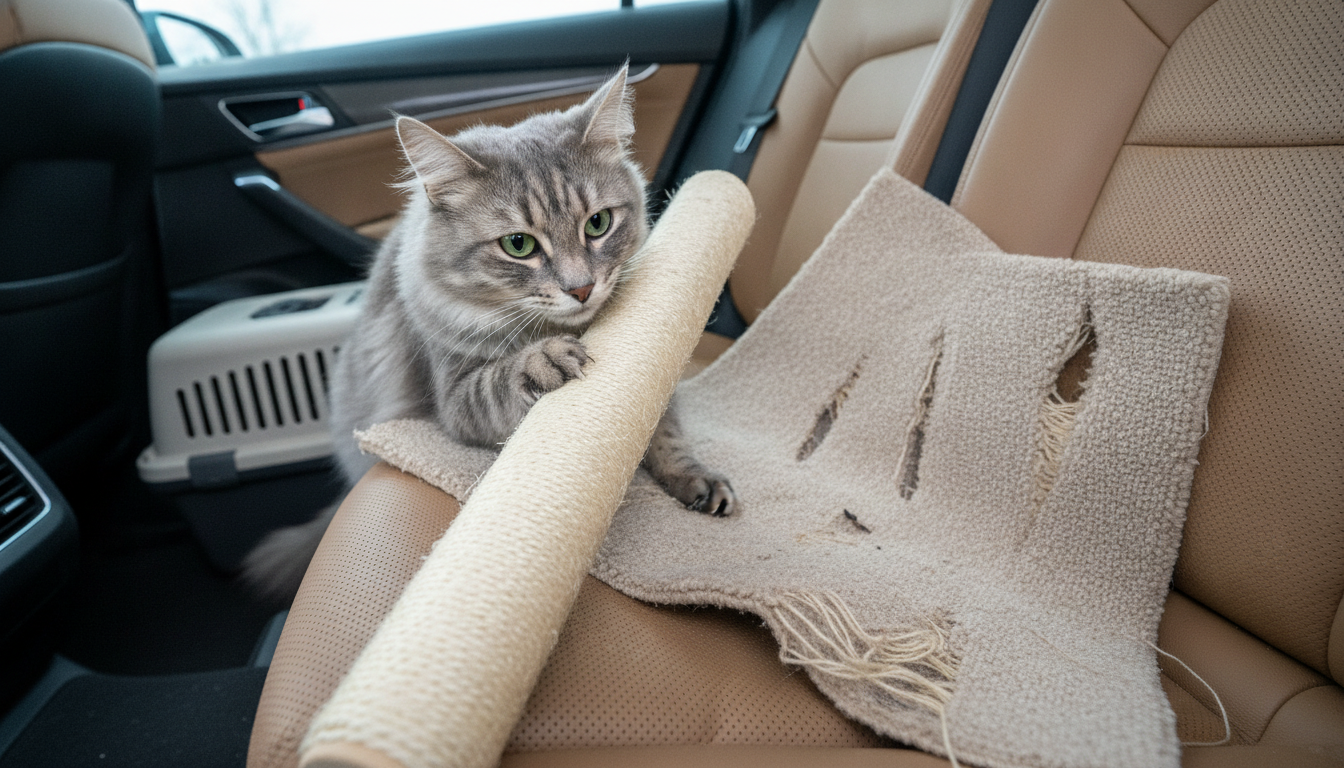
Do cats like to scratch carpet or sisal more?
Most cats prefer sisal over carpet because it feels fibrous, grippy, and satisfying to rake with claws. Sisal also “gives” just enough under pressure, which helps many cats complete the full scratch cycle—hook, pull, and stretch—without slipping. Carpet can be appealing too, but often for a different reason: it’s already under their paws, it holds scent well, and it can resemble certain textured outdoor surfaces.
Why sisal usually wins
Sisal (rope or woven fabric) provides consistent resistance, which lets cats dig in and get that rewarding shredding sensation without their claws snagging unpredictably. It’s also easy for cats to target: a dedicated post or panel becomes a clear scratching “station,” helping redirect scratching away from rugs and flooring.
Another advantage is practicality. Sisal tends to be more durable than many carpeted surfaces, and it’s commonly used on cat trees and scratching posts designed to handle repeated daily use.
Why some cats still choose carpet
Carpet is convenient, especially at entryways, stairs, and near sleeping spots—places cats naturally like to mark and stretch. If a cat learned early on that carpet “works,” they may stick with it. Some looped carpets also catch claws easily, which can feel extra stimulating (and is exactly why it can get destroyed quickly).
How to tell what your cat prefers
Watch for where your cat scratches most and the body posture they use. Vertical scratchers (like sisal posts) suit cats that stand tall and stretch upward. Horizontal scratchers work for cats that crouch and rake forward—often a pattern seen on rugs. Offering both styles in sisal can reveal preference fast without sacrificing your carpet.
How to shift interest from carpet to sisal
Place a sisal scratcher directly next to the carpeted spot your cat targets, then gradually move it a few inches per day. Make the sisal more rewarding: sprinkle catnip, use a wand toy to “land” on the post, and praise right after scratching. For a sturdy option with multiple scratchable areas, see the guide here: 5-layer cat tree with sisal scratching posts and jump platforms.
FAQ
How do I stop my cat from scratching the carpet at night?
Put a stable sisal scratcher next to the favorite carpet spot and schedule a short play session before bed to reduce restless scratching. Temporarily block access to the targeted area or cover it with a plastic floor runner (nubs up) while the new sisal habit forms.
Recommended for you



Can AI eBooks Make Money? Realistic Ways to Profit
Jun 21, 2026













Leave a comment