-
Shop
- Advanced Technologies
- AI Skills
- Bathroom
- Best-Sellers
- Car Accessories
- Confidence
- Dating & Social Skills
- Digital Resources
- AI & Technology
- Beauty
- Budgeting & Saving
- Car Buying & Ownership
- Cozy Feast Collection
- Electronics & Technology
- Entrepreneurship & Business Growth
- Financial Education
- Financial Independence
- Financial Mindset & Psychology
- Goal Setting
- Home Styling & Organization
- Kitchen & Recipes
- Leadership
- Mindfulness
- Mindset
- Online Business
- Parenting & Child Development
- Personal Style & Fashion
- Pet Lifestyle & Wellness
- Positive Thinking
- Sleep Improvement
- Smart Life with AI
- Stress Management & Relaxation
- Travel Planning
- Wellness
- Yoga & Fitness
- Yoga & Mind-Body Practices
- Education & Learning
- Family & Parenting
- Fashion
- Accessories
- Alexander McQueen
- Bags
- Bags & Wallets
- Balenciaga
- Belts
- Blazers
- Bottega Veneta
- Bottoms
- Brunello Cucinelli
- Burberry
- Chanel
- Chloé
- Dior
- Dolce & Gabbana
- Dresses
- Etro
- Fendi
- Gucci
- Hats & Hair Accessories
- Hoodies & Sweatshirts
- Jacquemus
- Jewelry
- Jil Sander
- Kiton
- Luggage
- Miu Miu
- Off-White
- Outerwear
- Prada
- Rick Owens
- Saint Laurent
- Shoes
- Socks & Tights
- Sweaters & Cardigans
- The Row
- Tom Ford
- Tops & Shirts
- Valentino
- Valentino Garavani
- Versace
- Vivienne Westwood
- Watches
- Fashion Accessories
- Furniture
- Gadgets
- Health & Beauty
- Health & Wellness
- Home & Garden
- Home Decor
- Home Electronics
- Home Supplies
- Kids & Babies
- Kitchen
- Kitchen Best-Sellers
- Lighting
- Patio, Lawn & Garden
- Personal Growth
- Pet Care
- Pet Supplies
- Pets
- Sport & Outdoors
- Super Deals
- Travel
- Travel & Adventure
- Wealth
- Popular
- Best deals
Will a Smart Toilet Flush in a Power Outage?
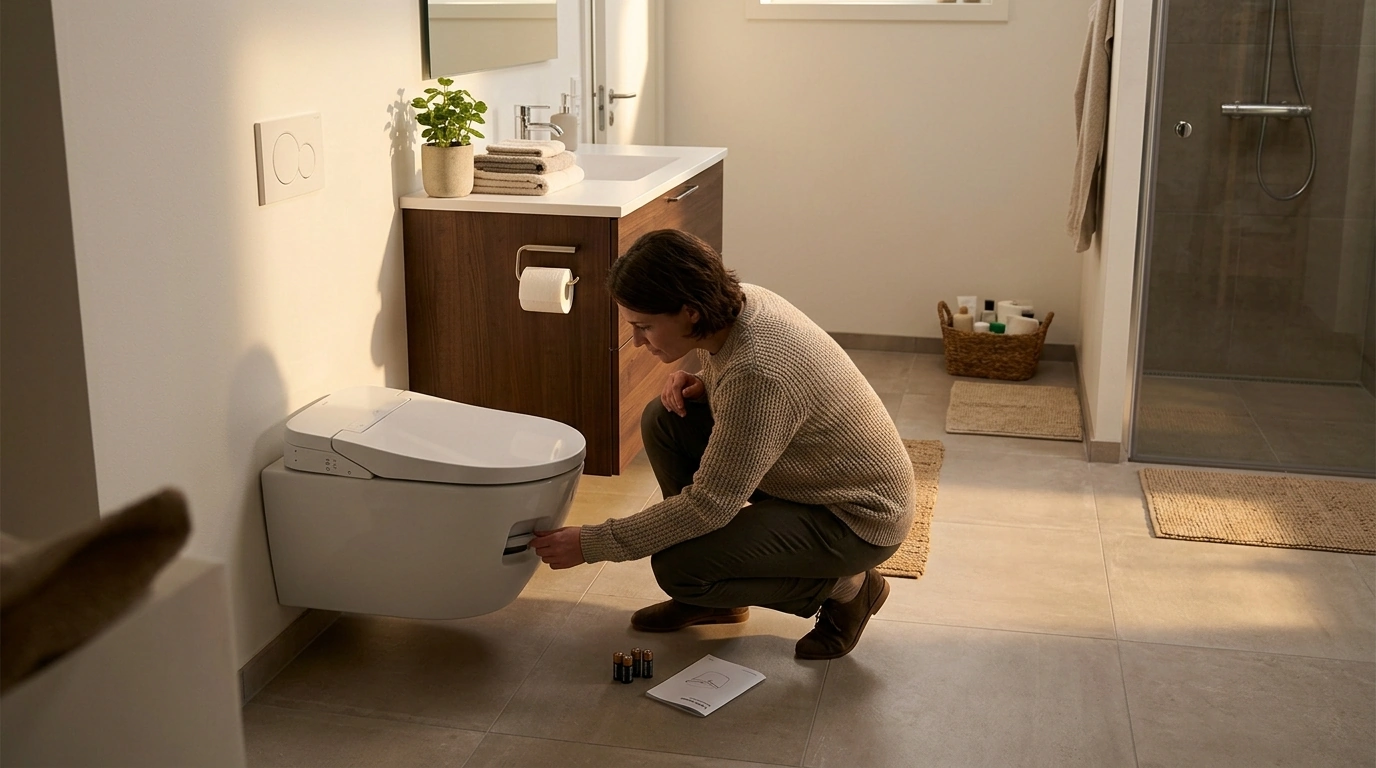
Can smart toilets flush without power?
Sometimes. Whether a smart toilet can flush during a power outage depends on how it’s built and what kind of flushing system it uses. Many smart bidet toilets need electricity for features like auto-flush sensors, deodorization, seat heating, warm water, and air drying. When the power goes out, those comfort features typically stop working immediately.
Flushing is different. If the toilet has a traditional gravity-style flush with a real water tank, you can often still flush without power because the flush is driven by stored tank water, not electricity. In that case, you may lose automatic flushing and sensor operation, but a manual lever/button (or a mechanical override) can still release the water.
If the smart toilet relies on an electrically controlled flush valve, a pump, or a fully tankless design that depends on powered controls, it may not flush when the electricity is off. Some models include battery backup for the flush function, while others require restoring power before any flush will work.
What to look for if you want outage-friendly flushing
Our team recommends prioritizing smart toilets that include a manual flush option, mechanical override, or an emergency flush method that doesn’t depend on sensors. If you’re choosing between tank and tankless designs, a tank-style unit usually provides better resilience because it keeps a reserve of water ready to go.
Also consider your home’s setup: if you’re on a well pump, a power outage can reduce or stop water pressure to the toilet regardless of the toilet’s design. Even a gravity tank won’t refill without water supply, so you may get only one or two flushes from what’s already in the tank.
Planning the rest of your smart toilet features
If backup flushing is your priority, focus on dependable manual flushing first, then decide which comfort upgrades matter most. For a deeper walk-through of popular configurations—auto flush, heated seats, air drying, and more—visit our guide: all-in-one smart bidet toilet with auto flush and heated seat.
FAQ
Do smart toilets need a dedicated outlet?
Many smart toilets require a nearby grounded outlet so features like heated seats and bidet washing can run safely. A GFCI-protected outlet is commonly used in bathrooms to reduce shock risk.
Recommended for you


Highest Paying Affiliate Products: Top Categories
Oct 14, 2026













Leave a comment