-
Shop
- Advanced Technologies
- AI Skills
- Bathroom
- Best-Sellers
- Car Accessories
- Confidence
- Dating & Social Skills
- Digital Resources
- AI & Technology
- Beauty
- Budgeting & Saving
- Car Buying & Ownership
- Cozy Feast Collection
- Electronics & Technology
- Entrepreneurship & Business Growth
- Financial Education
- Financial Independence
- Financial Mindset & Psychology
- Goal Setting
- Home Styling & Organization
- Kitchen & Recipes
- Leadership
- Mindfulness
- Mindset
- Online Business
- Parenting & Child Development
- Personal Style & Fashion
- Pet Lifestyle & Wellness
- Positive Thinking
- Sleep Improvement
- Smart Life with AI
- Stress Management & Relaxation
- Travel Planning
- Wellness
- Yoga & Fitness
- Yoga & Mind-Body Practices
- Education & Learning
- Family & Parenting
- Fashion
- Accessories
- Alexander McQueen
- Bags
- Bags & Wallets
- Balenciaga
- Belts
- Blazers
- Bottega Veneta
- Bottoms
- Brunello Cucinelli
- Burberry
- Chanel
- Chloé
- Dior
- Dolce & Gabbana
- Dresses
- Etro
- Fendi
- Gucci
- Hats & Hair Accessories
- Hoodies & Sweatshirts
- Jacquemus
- Jewelry
- Jil Sander
- Kiton
- Luggage
- Miu Miu
- Off-White
- Outerwear
- Prada
- Rick Owens
- Saint Laurent
- Shoes
- Socks & Tights
- Sweaters & Cardigans
- The Row
- Tom Ford
- Tops & Shirts
- Valentino
- Valentino Garavani
- Versace
- Vivienne Westwood
- Watches
- Fashion Accessories
- Furniture
- Gadgets
- Health & Beauty
- Health & Wellness
- Home & Garden
- Home Decor
- Home Electronics
- Home Supplies
- Kids & Babies
- Kitchen
- Kitchen Best-Sellers
- Lighting
- Patio, Lawn & Garden
- Personal Growth
- Pet Care
- Pet Supplies
- Pets
- Sport & Outdoors
- Super Deals
- Travel
- Travel & Adventure
- Wealth
- Popular
- Best deals
Commercial Ice Machine Profitability: ROI & Key Drivers
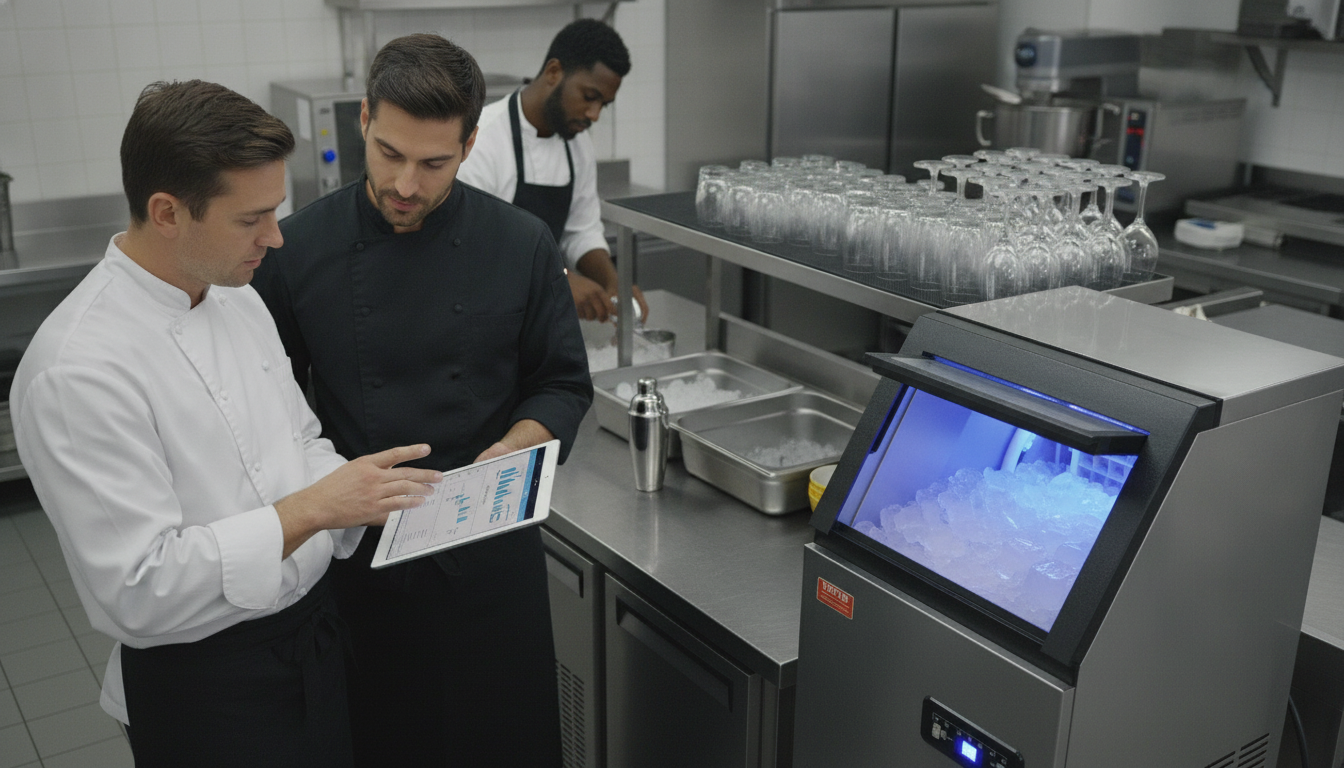
Are commercial ice machines profitable?
Commercial ice machines can be profitable when they’re matched to steady demand and priced correctly. The strongest returns typically come from high-turnover use cases—bars, restaurants, hotels, healthcare facilities, and convenience retail—where ice is either sold directly (bagged ice) or supports higher-margin sales (cold drinks, cocktails, patient care, seafood display). Profitability depends less on the machine itself and more on utilization: the closer you run to your daily production capacity without running out, the faster the payback.
What drives profitability for a commercial ice machine?
Consistent volume
A unit that runs lightly a few days a week may never justify its fixed costs. By contrast, locations with predictable foot traffic or daily service needs can keep production and inventory moving, reducing waste and maximizing revenue per pound produced.
Pricing and margin
If you’re selling ice (especially bagged), profit hinges on local pricing, bag/packaging costs, labor, and shrink. If ice supports beverage programs, the “profit” is often indirect: reliable ice improves service speed and drink quality, which can lift overall sales and customer satisfaction.
Total cost of ownership
Electricity and water consumption, filtration, cleaning chemicals, repairs, and warranties all affect real margins. A slightly higher-priced, more efficient machine can outperform a cheaper unit if it cuts utility costs and downtime.
Maintenance and downtime risk
Ice machines need routine cleaning, descaling, and filter changes. Skipped maintenance can lead to breakdowns, sanitation issues, and lost sales—turning a profitable setup into a recurring headache.
How to evaluate ROI before buying
Estimate daily ice demand, then select a machine with capacity that meets peak periods. Next, calculate monthly operating costs (power, water, filtration, maintenance) and compare them to either projected bagged-ice profit or the revenue impact of improved beverage/service operations. For a deeper breakdown of cost factors and scenarios, see the main guide: https://bestsellis.com/are-commercial-ice-machines-profitable/.
FAQ
What size commercial ice machine do I need for my business?
Start with your busiest day: estimate pounds of ice needed during peak hours, then choose a machine whose 24-hour production and storage comfortably cover that demand without frequent emergency runs or shortages.













Leave a comment