-
Shop
- Advanced Technologies
- AI Skills
- Bathroom
- Best-Sellers
- Car Accessories
- Confidence
- Dating & Social Skills
- Digital Resources
- AI & Technology
- Beauty
- Budgeting & Saving
- Car Buying & Ownership
- Cozy Feast Collection
- Electronics & Technology
- Entrepreneurship & Business Growth
- Financial Education
- Financial Independence
- Financial Mindset & Psychology
- Goal Setting
- Home Styling & Organization
- Kitchen & Recipes
- Leadership
- Mindfulness
- Mindset
- Online Business
- Parenting & Child Development
- Personal Style & Fashion
- Pet Lifestyle & Wellness
- Positive Thinking
- Sleep Improvement
- Smart Life with AI
- Stress Management & Relaxation
- Travel Planning
- Wellness
- Yoga & Fitness
- Yoga & Mind-Body Practices
- Education & Learning
- Family & Parenting
- Fashion
- Accessories
- Alexander McQueen
- Bags
- Bags & Wallets
- Balenciaga
- Belts
- Blazers
- Bottega Veneta
- Bottoms
- Brunello Cucinelli
- Burberry
- Chanel
- Chloé
- Dior
- Dolce & Gabbana
- Dresses
- Etro
- Fendi
- Gucci
- Hats & Hair Accessories
- Hoodies & Sweatshirts
- Jacquemus
- Jewelry
- Jil Sander
- Kiton
- Luggage
- Miu Miu
- Off-White
- Outerwear
- Prada
- Rick Owens
- Saint Laurent
- Shoes
- Socks & Tights
- Sweaters & Cardigans
- The Row
- Tom Ford
- Tops & Shirts
- Valentino
- Valentino Garavani
- Versace
- Vivienne Westwood
- Watches
- Fashion Accessories
- Furniture
- Gadgets
- Health & Beauty
- Health & Wellness
- Home & Garden
- Home Decor
- Home Electronics
- Home Supplies
- Kids & Babies
- Kitchen
- Kitchen Best-Sellers
- Lighting
- Patio, Lawn & Garden
- Personal Growth
- Pet Care
- Pet Supplies
- Pets
- Sport & Outdoors
- Super Deals
- Travel
- Travel & Adventure
- Wealth
- Popular
- Best deals
Are Cable Bike Locks Worth It? When to Use One
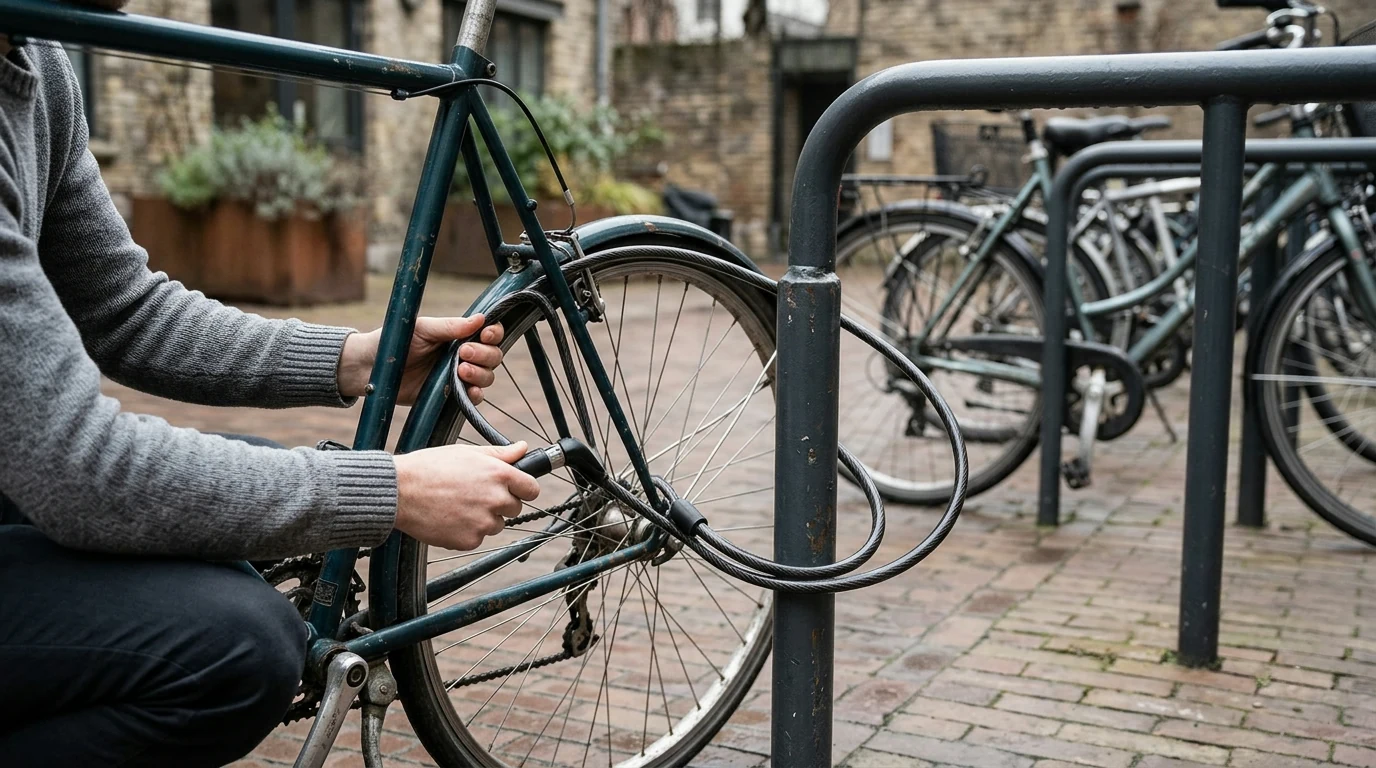
Are cable bike locks worth it?
Yes, cable bike locks can be worth it when you use them for the right job. They are light, flexible, and convenient, but most cables can be cut more easily than a sturdy U-lock or chain. We recommend treating a cable as a deterrent against quick, opportunistic theft rather than your only defense for a valuable bike.
When does a cable lock make sense?
A cable lock is useful for a brief stop when your bike stays within sight, especially in a relatively low-risk setting. Its flexibility makes it easy to loop around a frame, wheel, and suitable fixed object. It can also help secure accessories or a second wheel alongside a stronger primary lock.
For example, you might use a cable to connect your front wheel to a U-lock that secures the frame and rear wheel. This approach adds a barrier without requiring you to carry a second heavy lock. Keep in mind that the cable remains the weaker part of the setup.
When should you choose a stronger lock?
If you leave your bike outside for extended periods, park in a busy theft area, or rely on an expensive bike for daily transportation, our team recommends a quality U-lock or hardened chain as your primary lock. No lock guarantees protection, but a stronger lock generally requires more effort and tools to defeat than a typical cable.
Choose a lock large enough to secure your frame and at least one wheel to an immovable bike rack, while avoiding excessive empty space inside the lock. Take removable lights, bags, and other easy-to-steal accessories with you when practical.
What about a cable lock with a built-in taillight?
A built-in taillight can make a cable lock more convenient to carry and give you another visibility aid. It does not make the cable itself harder to cut. Position the light where it can be seen from behind, keep it charged, and follow your local bike-light requirements.
For more on this combination, read our guide to bike cable locks with built-in taillights.
FAQ
How should you lock a bike wheel with a cable?
Loop the cable through the wheel and attach it to a primary lock that also secures the bike frame to a fixed rack. Use the cable as supplemental protection, not as a replacement for a stronger primary lock.















Leave a comment