-
Shop
- Advanced Technologies
- AI Skills
- Bathroom
- Best-Sellers
- Car Accessories
- Confidence
- Dating & Social Skills
- Digital Resources
- AI & Technology
- Beauty
- Budgeting & Saving
- Car Buying & Ownership
- Cozy Feast Collection
- Electronics & Technology
- Entrepreneurship & Business Growth
- Financial Education
- Financial Independence
- Financial Mindset & Psychology
- Goal Setting
- Home Styling & Organization
- Kitchen & Recipes
- Leadership
- Mindfulness
- Mindset
- Online Business
- Parenting & Child Development
- Personal Style & Fashion
- Pet Lifestyle & Wellness
- Positive Thinking
- Sleep Improvement
- Smart Life with AI
- Stress Management & Relaxation
- Travel Planning
- Wellness
- Yoga & Fitness
- Yoga & Mind-Body Practices
- Education & Learning
- Family & Parenting
- Fashion
- Accessories
- Alexander McQueen
- Bags
- Bags & Wallets
- Balenciaga
- Belts
- Blazers
- Bottega Veneta
- Bottoms
- Brunello Cucinelli
- Burberry
- Chanel
- Chloé
- Dior
- Dolce & Gabbana
- Dresses
- Etro
- Fendi
- Gucci
- Hats & Hair Accessories
- Hoodies & Sweatshirts
- Jacquemus
- Jewelry
- Jil Sander
- Kiton
- Luggage
- Miu Miu
- Off-White
- Outerwear
- Prada
- Rick Owens
- Saint Laurent
- Shoes
- Socks & Tights
- Sweaters & Cardigans
- The Row
- Tom Ford
- Tops & Shirts
- Valentino
- Valentino Garavani
- Versace
- Vivienne Westwood
- Watches
- Fashion Accessories
- Furniture
- Gadgets
- Health & Beauty
- Health & Wellness
- Home & Garden
- Home Decor
- Home Electronics
- Home Supplies
- Kids & Babies
- Kitchen
- Kitchen Best-Sellers
- Lighting
- Patio, Lawn & Garden
- Personal Growth
- Pet Care
- Pet Supplies
- Pets
- Sport & Outdoors
- Super Deals
- Travel
- Travel & Adventure
- Wealth
- Popular
- Best deals
Home Upgrades to Avoid for a More Comfortable Space
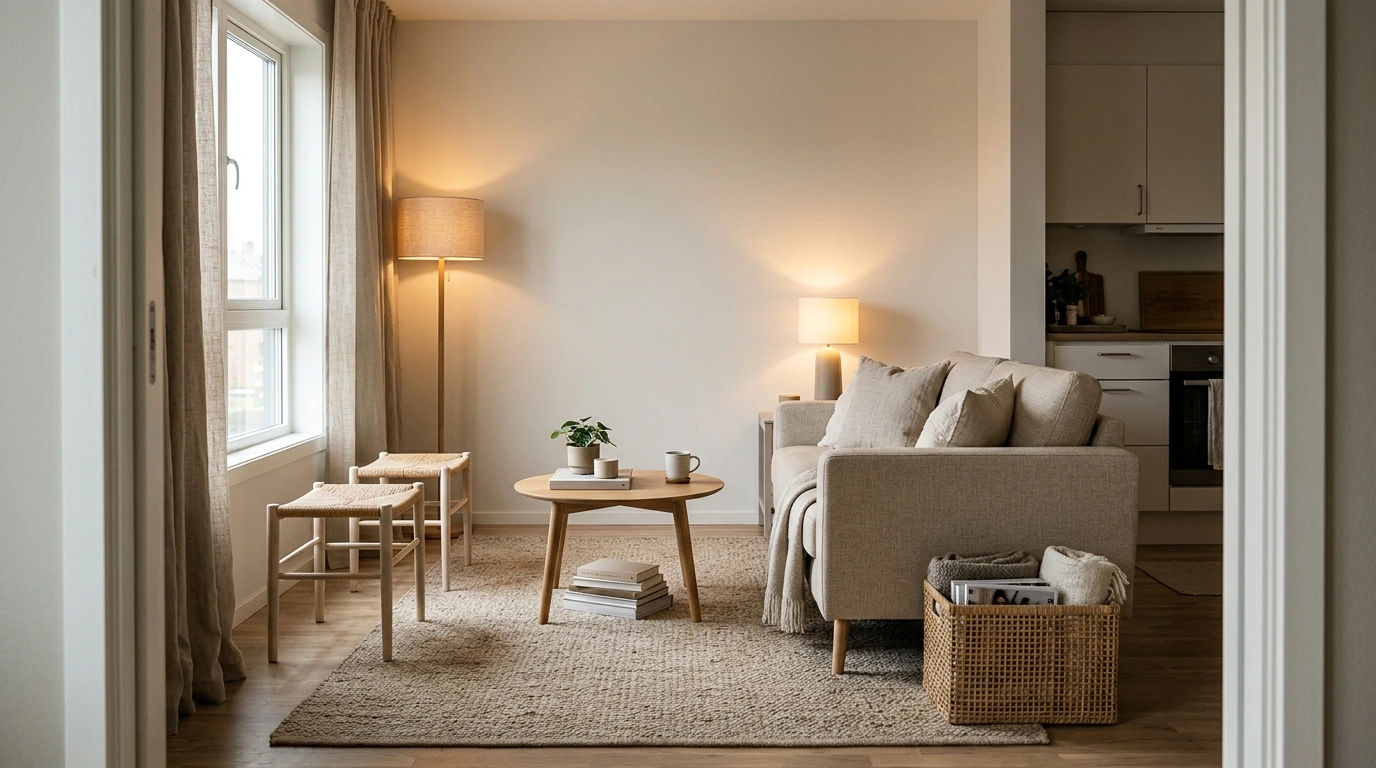
What are some home upgrades I should avoid?
Avoid upgrades that create more work than comfort, limit how you use a room, or cost more than the problem calls for. You can make a home feel more inviting without committing to permanent changes that are difficult to reverse.
Our team recommends starting with the way you actually use your space. A better lamp, a flexible furniture arrangement, or a well-placed storage piece may solve a problem before you invest in a larger project.
Should you avoid permanent built-ins?
Built-ins can be useful, but they are not always the best first choice for a room that needs to serve several purposes. Fixed shelving or seating can make future furniture changes harder and may not suit the next person who uses the space.
Try freestanding bookcases, modular storage, or a narrow console first. Anchor tall or tip-prone furniture to the wall, especially where children or pets may pull on it.
Which lighting upgrades can make a room less comfortable?
A single bright overhead fixture can leave a room feeling harsh while still creating shadows where you need light. Instead, layer ambient light with task lighting, such as a reading lamp or an under-cabinet light.
Choose bulbs with a warm color temperature for relaxed living spaces, and use dimmers only with compatible bulbs and fixtures. Keep cords out of walkways and away from rugs where they could overheat or become a tripping hazard.
Are oversized furniture and decorative storage worth avoiding?
Large sectional sofas, bulky tables, and deep cabinets can overwhelm a room if they block doors or narrow the paths you use every day. Measure the space and the item, including its delivery route, before buying. Leave comfortable clearance around seating and entryways.
Decorative baskets and open shelves can help, but buying too many organizers before sorting your belongings can add clutter. Choose storage for items you already own and place frequently used essentials within easy reach.
What should you consider before choosing trendy finishes?
Bold finishes can add personality, but expensive permanent surfaces may be frustrating to replace when your preferences change. Bring in a strong color or pattern through removable textiles, artwork, or a small accent piece instead.
For more practical ideas, explore our guide to no-renovation home upgrades, including ways to improve layout, lighting, and comfort.
FAQ
How can you make a room feel larger without renovating?
Keep walkways clear, use appropriately scaled furniture, and layer lighting to reduce dark corners. A mirror positioned to reflect natural light can also make the space feel more open.
Recommended for you

Top 10 Biggest Wastes of Money at Home
Nov 20, 2026













Leave a comment