-
Shop
- Advanced Technologies
- AI Skills
- Bathroom
- Best-Sellers
- Car Accessories
- Confidence
- Dating & Social Skills
- Digital Resources
- AI & Technology
- Beauty
- Budgeting & Saving
- Car Buying & Ownership
- Cozy Feast Collection
- Electronics & Technology
- Entrepreneurship & Business Growth
- Financial Education
- Financial Independence
- Financial Mindset & Psychology
- Goal Setting
- Home Styling & Organization
- Kitchen & Recipes
- Leadership
- Mindfulness
- Mindset
- Online Business
- Parenting & Child Development
- Personal Style & Fashion
- Pet Lifestyle & Wellness
- Positive Thinking
- Sleep Improvement
- Smart Life with AI
- Stress Management & Relaxation
- Travel Planning
- Wellness
- Yoga & Fitness
- Yoga & Mind-Body Practices
- Education & Learning
- Family & Parenting
- Fashion
- Accessories
- Alexander McQueen
- Bags
- Bags & Wallets
- Balenciaga
- Belts
- Blazers
- Bottega Veneta
- Bottoms
- Brunello Cucinelli
- Burberry
- Chanel
- Chloé
- Dior
- Dolce & Gabbana
- Dresses
- Etro
- Fendi
- Gucci
- Hats & Hair Accessories
- Hoodies & Sweatshirts
- Jacquemus
- Jewelry
- Jil Sander
- Kiton
- Luggage
- Miu Miu
- Off-White
- Outerwear
- Prada
- Rick Owens
- Saint Laurent
- Shoes
- Socks & Tights
- Sweaters & Cardigans
- The Row
- Tom Ford
- Tops & Shirts
- Valentino
- Valentino Garavani
- Versace
- Vivienne Westwood
- Watches
- Fashion Accessories
- Furniture
- Gadgets
- Health & Beauty
- Health & Wellness
- Home & Garden
- Home Decor
- Home Electronics
- Home Supplies
- Kids & Babies
- Kitchen
- Kitchen Best-Sellers
- Lighting
- Patio, Lawn & Garden
- Personal Growth
- Pet Care
- Pet Supplies
- Pets
- Sport & Outdoors
- Super Deals
- Travel
- Travel & Adventure
- Wealth
- Popular
- Best deals
Another Word for Lifting Spirits: 5 Encouraging Alternatives
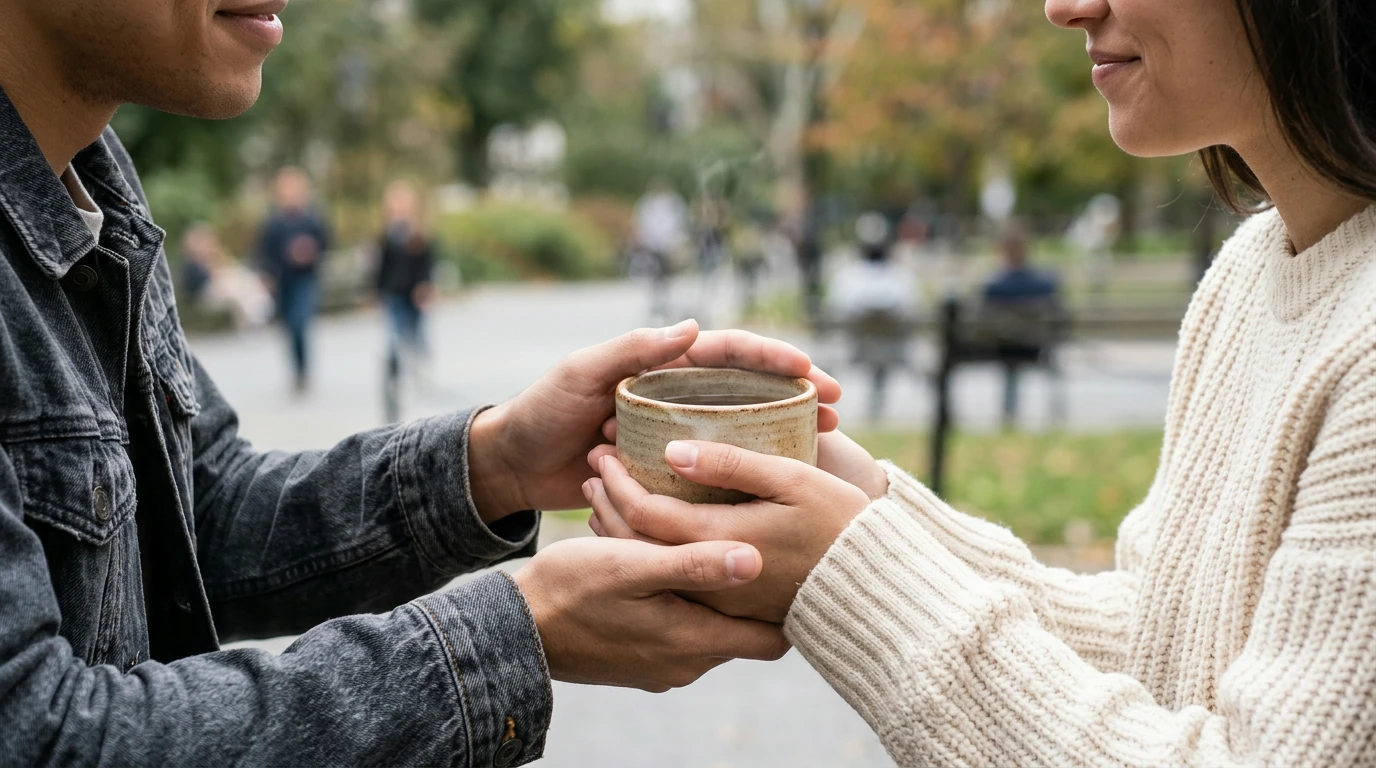
What is another word for “lifting spirits”?
“Cheering up” is a natural alternative to “lifting spirits.” You can also say “encouraging,” “uplifting,” or “boosting morale,” depending on who you’re talking about and the kind of support you want to express.
For example, you might say, “I brought a small gift to cheer her up,” or “His kind words were uplifting.” Both convey the idea of helping someone feel a little better.
Which alternative should you use?
The best choice depends on the situation. Some phrases feel warm and personal, while others work better for a group or a formal message.
- Cheering someone up: A friendly, everyday choice when you want to brighten one person’s mood.
- Encouraging someone: Useful when you want to offer reassurance or help someone feel more confident.
- Uplifting someone: A gentle way to describe making someone feel hopeful or comforted.
- Boosting morale: A good fit for a team, workplace, or other group that needs encouragement.
- Brightening someone’s day: A warm phrase for a thoughtful gesture, kind message, or small surprise.
How can you show someone encouragement?
Words can be as meaningful as a gift. A simple “I’m here for you” or “You don’t have to handle this alone” lets someone know you care without asking them to feel better immediately. You can also offer to listen, share a meal, or spend quiet time together.
If you want to send a gift, choose something that suits the person rather than the occasion alone. A handwritten card can express what you appreciate about them, while a favorite treat, a cozy blanket, or a small item connected to a hobby can add a personal touch. Our team recommends keeping the message warm and pressure-free: “Thinking of you” is often enough.
Encouragement is not a substitute for professional support when someone is struggling with depression. You can find more ways to offer thoughtful support in our guide to supporting someone with low self-esteem or depression.
FAQ
What can you say to someone who is having a hard day?
Try saying, “I’m here for you” or “Would you like to talk?” A gentle offer of company or practical help can show you care without pressuring them to respond a certain way.
Recommended for you


Quotes to Lift Someone’s Spirit With Genuine Care
Nov 20, 2026













Leave a comment