-
Shop
- Advanced Technologies
- AI Skills
- Bathroom
- Best-Sellers
- Car Accessories
- Confidence
- Dating & Social Skills
- Digital Resources
- AI & Technology
- Beauty
- Budgeting & Saving
- Car Buying & Ownership
- Cozy Feast Collection
- Electronics & Technology
- Entrepreneurship & Business Growth
- Financial Education
- Financial Independence
- Financial Mindset & Psychology
- Goal Setting
- Home Styling & Organization
- Kitchen & Recipes
- Leadership
- Mindfulness
- Mindset
- Online Business
- Parenting & Child Development
- Personal Style & Fashion
- Pet Lifestyle & Wellness
- Positive Thinking
- Sleep Improvement
- Smart Life with AI
- Stress Management & Relaxation
- Travel Planning
- Wellness
- Yoga & Fitness
- Yoga & Mind-Body Practices
- Education & Learning
- Family & Parenting
- Fashion
- Accessories
- Alexander McQueen
- Bags
- Bags & Wallets
- Balenciaga
- Belts
- Blazers
- Bottega Veneta
- Bottoms
- Brunello Cucinelli
- Burberry
- Chanel
- Chloé
- Dior
- Dolce & Gabbana
- Dresses
- Etro
- Fendi
- Gucci
- Hats & Hair Accessories
- Hoodies & Sweatshirts
- Jacquemus
- Jewelry
- Jil Sander
- Kiton
- Luggage
- Miu Miu
- Off-White
- Outerwear
- Prada
- Rick Owens
- Saint Laurent
- Shoes
- Socks & Tights
- Sweaters & Cardigans
- The Row
- Tom Ford
- Tops & Shirts
- Valentino
- Valentino Garavani
- Versace
- Vivienne Westwood
- Watches
- Fashion Accessories
- Furniture
- Gadgets
- Health & Beauty
- Health & Wellness
- Home & Garden
- Home Decor
- Home Electronics
- Home Supplies
- Kids & Babies
- Kitchen
- Kitchen Best-Sellers
- Lighting
- Patio, Lawn & Garden
- Personal Growth
- Pet Care
- Pet Supplies
- Pets
- Sport & Outdoors
- Super Deals
- Travel
- Travel & Adventure
- Wealth
- Popular
- Best deals
Coolant Temperature Warning: Safe Steps to Fix It
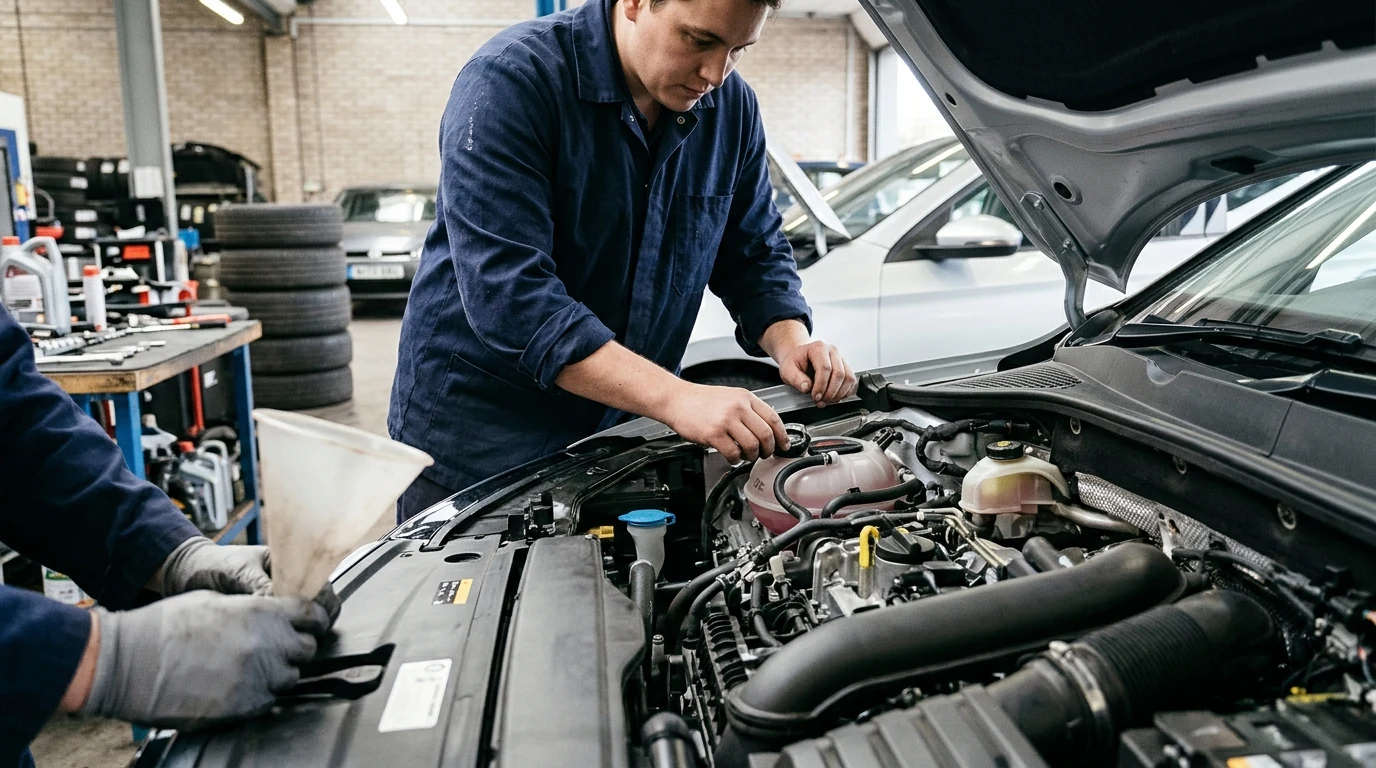
How do you fix a coolant temperature warning?
A coolant temperature warning means your engine may be overheating. The first fix is to stop driving safely, not to add coolant while the engine is hot. Pull over as soon as you can, turn off the engine, and let it cool completely. Continuing to drive with the warning on can cause serious engine damage.
What should you do before adding coolant?
Keep your hands away from the radiator cap and coolant reservoir cap while the engine is hot. The cooling system may be pressurized, and opening it can release scalding fluid or steam. Once the engine is fully cool, check the coolant level in the reservoir against its markings. If it is low, add the coolant specified for your vehicle, following the owner’s manual. Do not mix coolant types unless the manufacturer says they are compatible.
Look beneath the vehicle and around visible hoses and the reservoir for leaks. A low coolant level may explain the warning, but coolant loss usually has a cause. Topping it off is not a lasting repair if the system is leaking.
When should you stop troubleshooting and get help?
Do not restart the engine if you see a substantial leak, steam, or a damaged hose or drive belt. Arrange a tow instead. If you refill low coolant and the warning returns, or the temperature gauge climbs again, stop driving and have the cooling system inspected.
If the coolant level is normal, the problem may involve a cooling fan, thermostat, water pump, sensor, or another part of the system. Our team recommends having the cause diagnosed rather than replacing parts based on the warning alone. A technician can check for leaks and test whether coolant is circulating and the fan operates as it should.
For more on what the warning means and how to respond, read our coolant temperature warning light guide. If you need coolant for a safe top-off after the engine cools, use your vehicle’s specified type and keep enough on hand only as a temporary measure until any coolant loss is resolved.
FAQ
Can I drive with the coolant temperature warning light on?
No. Pull over safely and turn off the engine. If the warning comes back after the engine cools, have the vehicle inspected rather than continuing your trip.
Recommended for you


Can You Drive With a Coolant Light On? What to Do
Oct 27, 2026













Leave a comment