-
Shop
- Advanced Technologies
- AI Skills
- Bathroom
- Best-Sellers
- Car Accessories
- Confidence
- Dating & Social Skills
- Digital Resources
- AI & Technology
- Beauty
- Budgeting & Saving
- Car Buying & Ownership
- Cozy Feast Collection
- Electronics & Technology
- Entrepreneurship & Business Growth
- Financial Education
- Financial Independence
- Financial Mindset & Psychology
- Goal Setting
- Home Styling & Organization
- Kitchen & Recipes
- Leadership
- Mindfulness
- Mindset
- Online Business
- Parenting & Child Development
- Personal Style & Fashion
- Pet Lifestyle & Wellness
- Positive Thinking
- Sleep Improvement
- Smart Life with AI
- Stress Management & Relaxation
- Travel Planning
- Wellness
- Yoga & Fitness
- Yoga & Mind-Body Practices
- Education & Learning
- Family & Parenting
- Fashion
- Accessories
- Alexander McQueen
- Bags
- Bags & Wallets
- Balenciaga
- Belts
- Blazers
- Bottega Veneta
- Bottoms
- Brunello Cucinelli
- Burberry
- Chanel
- Chloé
- Dior
- Dolce & Gabbana
- Dresses
- Etro
- Fendi
- Gucci
- Hats & Hair Accessories
- Hoodies & Sweatshirts
- Jacquemus
- Jewelry
- Jil Sander
- Kiton
- Luggage
- Miu Miu
- Off-White
- Outerwear
- Prada
- Rick Owens
- Saint Laurent
- Shoes
- Socks & Tights
- Sweaters & Cardigans
- The Row
- Tom Ford
- Tops & Shirts
- Valentino
- Valentino Garavani
- Versace
- Vivienne Westwood
- Watches
- Fashion Accessories
- Furniture
- Gadgets
- Health & Beauty
- Health & Wellness
- Home & Garden
- Home Decor
- Home Electronics
- Home Supplies
- Kids & Babies
- Kitchen
- Kitchen Best-Sellers
- Lighting
- Patio, Lawn & Garden
- Personal Growth
- Pet Care
- Pet Supplies
- Pets
- Sport & Outdoors
- Super Deals
- Travel
- Travel & Adventure
- Wealth
- Popular
- Best deals
Driving With a Bad Coolant Temperature Sensor: Is It Safe?
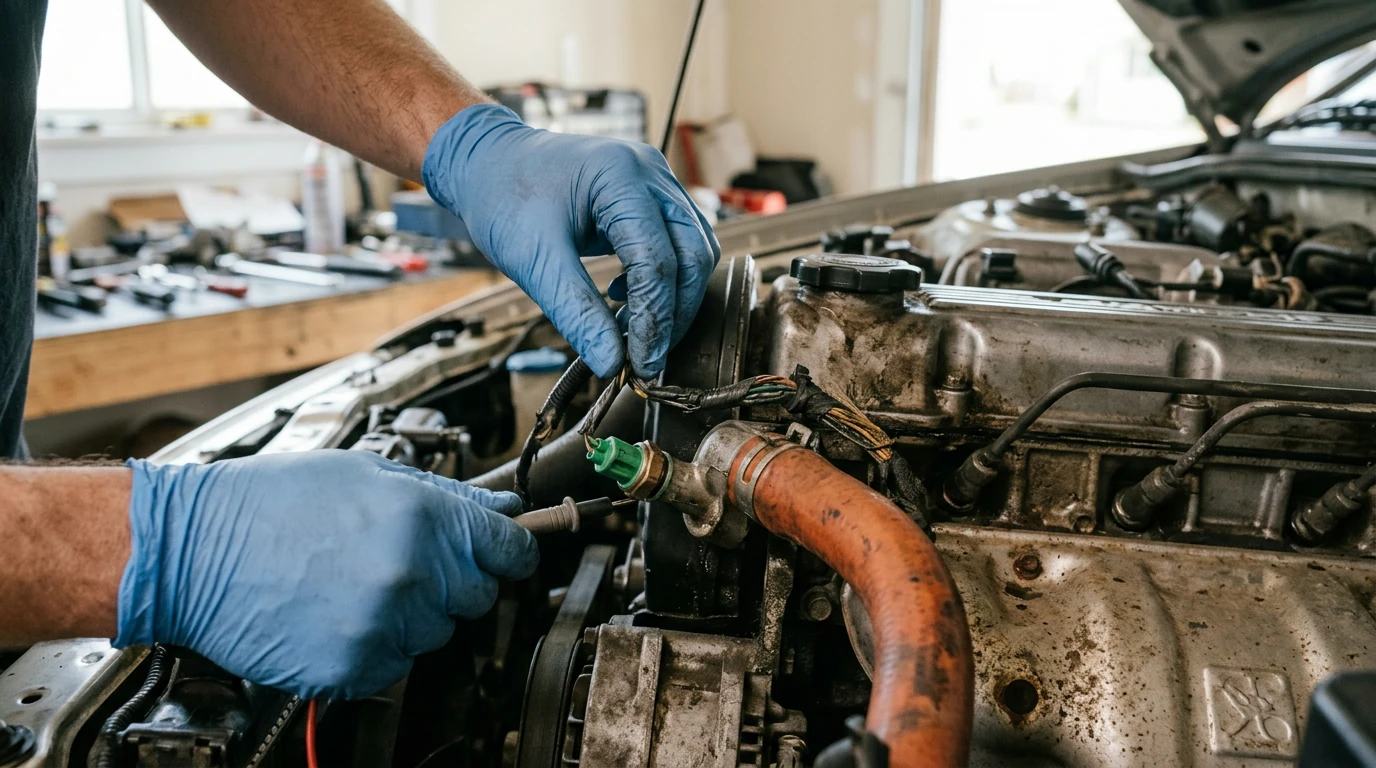
Can I still drive my car with a bad coolant temperature sensor?
You may be able to drive a short distance with a faulty coolant temperature sensor, but only if the engine is not overheating and the car is otherwise running normally. The sensor reports coolant temperature to the car’s computer. When its reading is wrong, the computer may adjust fuel delivery or cooling fan operation at the wrong time.
Do not assume the sensor is the problem just because a temperature warning appears. A low coolant level, a leak, a thermostat problem, or another cooling-system fault can also cause trouble. If the temperature gauge climbs into the hot range, a warning light comes on, you see steam, or you smell coolant, pull over safely and shut off the engine. Our guide to the coolant temperature warning light explains what to do next.
When is a short drive reasonable?
If a mechanic has identified the sensor as faulty, coolant is at the proper level when the engine is cold, and there are no signs of overheating, a short trip to a repair shop may be reasonable. Watch the gauge and warning lights throughout the trip, and avoid treating the car as safe for routine driving until the fault is fixed. If you cannot tell whether the engine is overheating, arrange a tow rather than risk engine damage.
Never open the radiator cap or coolant reservoir while the system is hot. Pressurized coolant can cause serious burns. Let the engine cool before checking the coolant level or looking for an obvious leak.
What should you do about the sensor?
Have the trouble codes and live temperature readings checked before replacing parts. A damaged connector, wiring fault, or cooling-system issue can produce similar symptoms. If the sensor needs replacement, our team recommends choosing one that matches your vehicle’s year, make, model, engine, and sensor location. Some vehicles use more than one temperature-related sensor, so the right fit matters.
After the repair, the cooling system should be checked for leaks, proper coolant level, and normal temperature readings. That helps confirm the original problem is resolved rather than simply clearing a warning light.
FAQ
How long can you drive with a faulty coolant temperature sensor?
There is no safe mileage limit. If the engine is running normally and you have confirmed it is not overheating, limit driving to a short trip for repair; stop immediately if a temperature warning or overheating symptom appears.
What happens if my coolant temperature sensor goes bad?
A bad sensor can cause inaccurate temperature readings, hard starting, poor fuel economy, rough running, or cooling fans that operate incorrectly. Because those symptoms can have other causes, confirm the fault before buying a replacement.














Leave a comment