-
Shop
- Advanced Technologies
- AI Skills
- Bathroom
- Best-Sellers
- Car Accessories
- Confidence
- Dating & Social Skills
- Digital Resources
- AI & Technology
- Beauty
- Budgeting & Saving
- Car Buying & Ownership
- Cozy Feast Collection
- Electronics & Technology
- Entrepreneurship & Business Growth
- Financial Education
- Financial Independence
- Financial Mindset & Psychology
- Goal Setting
- Home Styling & Organization
- Kitchen & Recipes
- Leadership
- Mindfulness
- Mindset
- Online Business
- Parenting & Child Development
- Personal Style & Fashion
- Pet Lifestyle & Wellness
- Positive Thinking
- Sleep Improvement
- Smart Life with AI
- Stress Management & Relaxation
- Travel Planning
- Wellness
- Yoga & Fitness
- Yoga & Mind-Body Practices
- Education & Learning
- Family & Parenting
- Fashion
- Accessories
- Alexander McQueen
- Bags
- Bags & Wallets
- Balenciaga
- Belts
- Blazers
- Bottega Veneta
- Bottoms
- Brunello Cucinelli
- Burberry
- Chanel
- Chloé
- Dior
- Dolce & Gabbana
- Dresses
- Etro
- Fendi
- Gucci
- Hats & Hair Accessories
- Hoodies & Sweatshirts
- Jacquemus
- Jewelry
- Jil Sander
- Kiton
- Luggage
- Miu Miu
- Off-White
- Outerwear
- Prada
- Rick Owens
- Saint Laurent
- Shoes
- Socks & Tights
- Sweaters & Cardigans
- The Row
- Tom Ford
- Tops & Shirts
- Valentino
- Valentino Garavani
- Versace
- Vivienne Westwood
- Watches
- Fashion Accessories
- Furniture
- Gadgets
- Health & Beauty
- Health & Wellness
- Home & Garden
- Home Decor
- Home Electronics
- Home Supplies
- Kids & Babies
- Kitchen
- Kitchen Best-Sellers
- Lighting
- Patio, Lawn & Garden
- Personal Growth
- Pet Care
- Pet Supplies
- Pets
- Sport & Outdoors
- Super Deals
- Travel
- Travel & Adventure
- Wealth
- Popular
- Best deals
What Month Is Hardest With a Puppy? Stages Explained
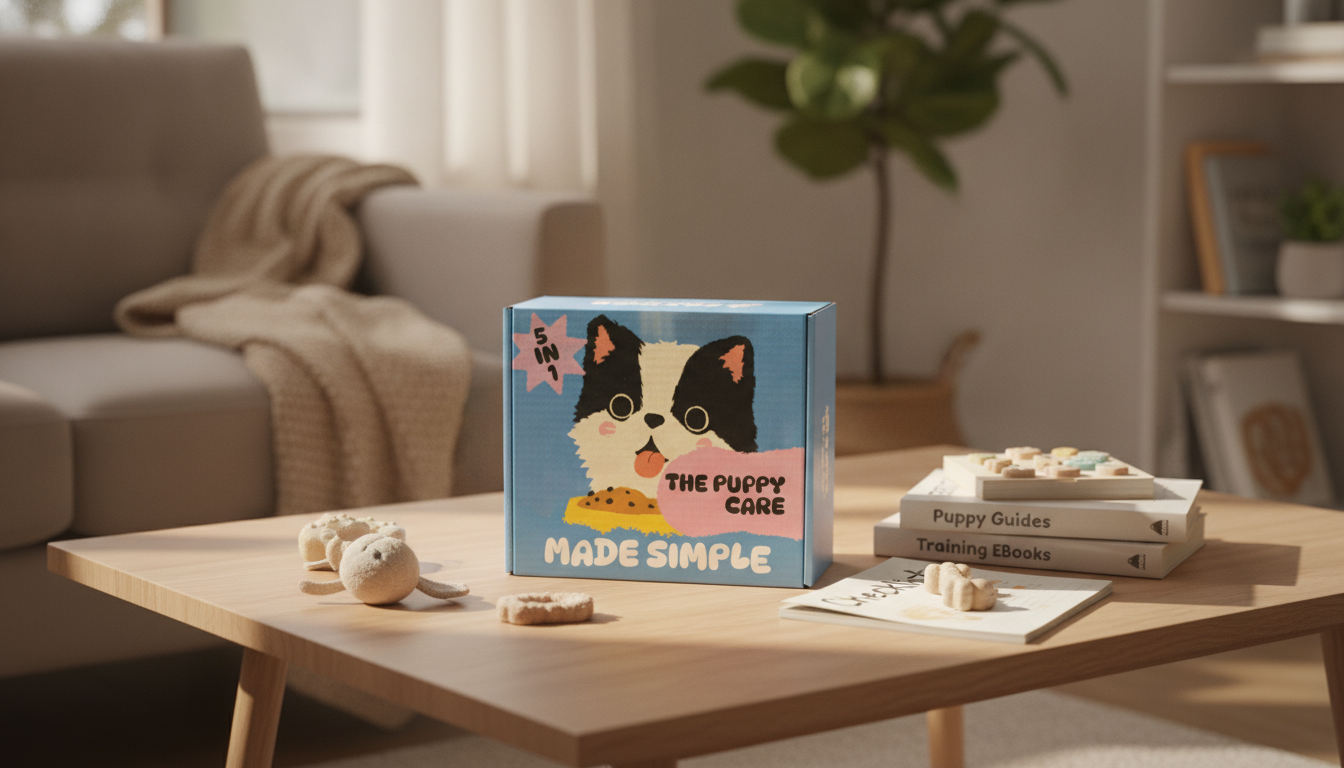
What month is hardest with a puppy?
For many new owners, the hardest stretch is the first month at home. You’re learning your puppy’s signals while managing frequent potty trips, chewing, training, and introductions to a new household. If your puppy comes home at around eight weeks old, that often makes months two and three of their life especially demanding.
There isn’t one difficult month for every puppy, though. Once you settle into a routine, a new challenge may appear around four to six months of age: teething. Your puppy may be more eager to chew, and lessons that seemed to stick may need practice in new places. Later, adolescence can bring another round of testing boundaries.
What makes the first month feel so intense?
Everything needs your attention at once. Your puppy is adjusting to unfamiliar people and surroundings, while you’re establishing a potty routine and teaching simple behaviors. Progress can be uneven: a good day followed by an accident or a burst of nipping doesn’t mean your plan has failed.
Our team recommends making the routine small enough to repeat. Take your puppy to an appropriate potty spot after meals, play, and rest, and praise them when they go there. Keep training sessions brief, reward the behavior you want, and offer puppy-appropriate chew toys when teeth land on something they shouldn’t. Store household hazards out of reach and supervise closely where your puppy explores.
How can you make the tough months easier?
Focus on the next useful habit rather than trying to teach everything in a week. Choose consistent cues, make sure everyone in your household uses them, and build in calm breaks when your puppy gets overwhelmed. A simple record of potty trips, meals, and training wins can help you spot patterns and see progress that’s easy to miss day to day.
Choose supplies for your puppy’s current age and chewing habits, and replace damaged toys before loose pieces become a hazard. If biting, fear, or potty difficulties feel hard to manage, ask your veterinarian or a qualified, reward-based trainer for guidance. You don’t have to wait until a problem grows.
For a broader starting point, explore our puppy care guide for new owners. The hardest month is easier to navigate when you have a repeatable plan—and room to adjust it as your puppy grows.
FAQ
How can you make puppy training more manageable?
Keep sessions brief, reward one desired behavior at a time, and use the same cues throughout your household. Practice regularly, and ask a qualified, reward-based trainer for help if you get stuck.
Recommended for you


How to Plan a Personalized Trip with AI
Oct 26, 2026













Leave a comment