-
Shop
- Advanced Technologies
- AI Skills
- Bathroom
- Best-Sellers
- Car Accessories
- Confidence
- Dating & Social Skills
- Digital Resources
- AI & Technology
- Beauty
- Budgeting & Saving
- Car Buying & Ownership
- Cozy Feast Collection
- Electronics & Technology
- Entrepreneurship & Business Growth
- Financial Education
- Financial Independence
- Financial Mindset & Psychology
- Goal Setting
- Home Styling & Organization
- Kitchen & Recipes
- Leadership
- Mindfulness
- Mindset
- Online Business
- Parenting & Child Development
- Personal Style & Fashion
- Pet Lifestyle & Wellness
- Positive Thinking
- Sleep Improvement
- Smart Life with AI
- Stress Management & Relaxation
- Travel Planning
- Wellness
- Yoga & Fitness
- Yoga & Mind-Body Practices
- Education & Learning
- Family & Parenting
- Fashion
- Accessories
- Alexander McQueen
- Bags
- Bags & Wallets
- Balenciaga
- Belts
- Blazers
- Bottega Veneta
- Bottoms
- Brunello Cucinelli
- Burberry
- Chanel
- Chloé
- Dior
- Dolce & Gabbana
- Dresses
- Etro
- Fendi
- Gucci
- Hats & Hair Accessories
- Hoodies & Sweatshirts
- Jacquemus
- Jewelry
- Jil Sander
- Kiton
- Luggage
- Miu Miu
- Off-White
- Outerwear
- Prada
- Rick Owens
- Saint Laurent
- Shoes
- Socks & Tights
- Sweaters & Cardigans
- The Row
- Tom Ford
- Tops & Shirts
- Valentino
- Valentino Garavani
- Versace
- Vivienne Westwood
- Watches
- Fashion Accessories
- Furniture
- Gadgets
- Health & Beauty
- Health & Wellness
- Home & Garden
- Home Decor
- Home Electronics
- Home Supplies
- Kids & Babies
- Kitchen
- Kitchen Best-Sellers
- Lighting
- Patio, Lawn & Garden
- Personal Growth
- Pet Care
- Pet Supplies
- Pets
- Sport & Outdoors
- Super Deals
- Travel
- Travel & Adventure
- Wealth
- Popular
- Best deals
Best Rust-Proof Coating for Iron: Primer to Topcoat
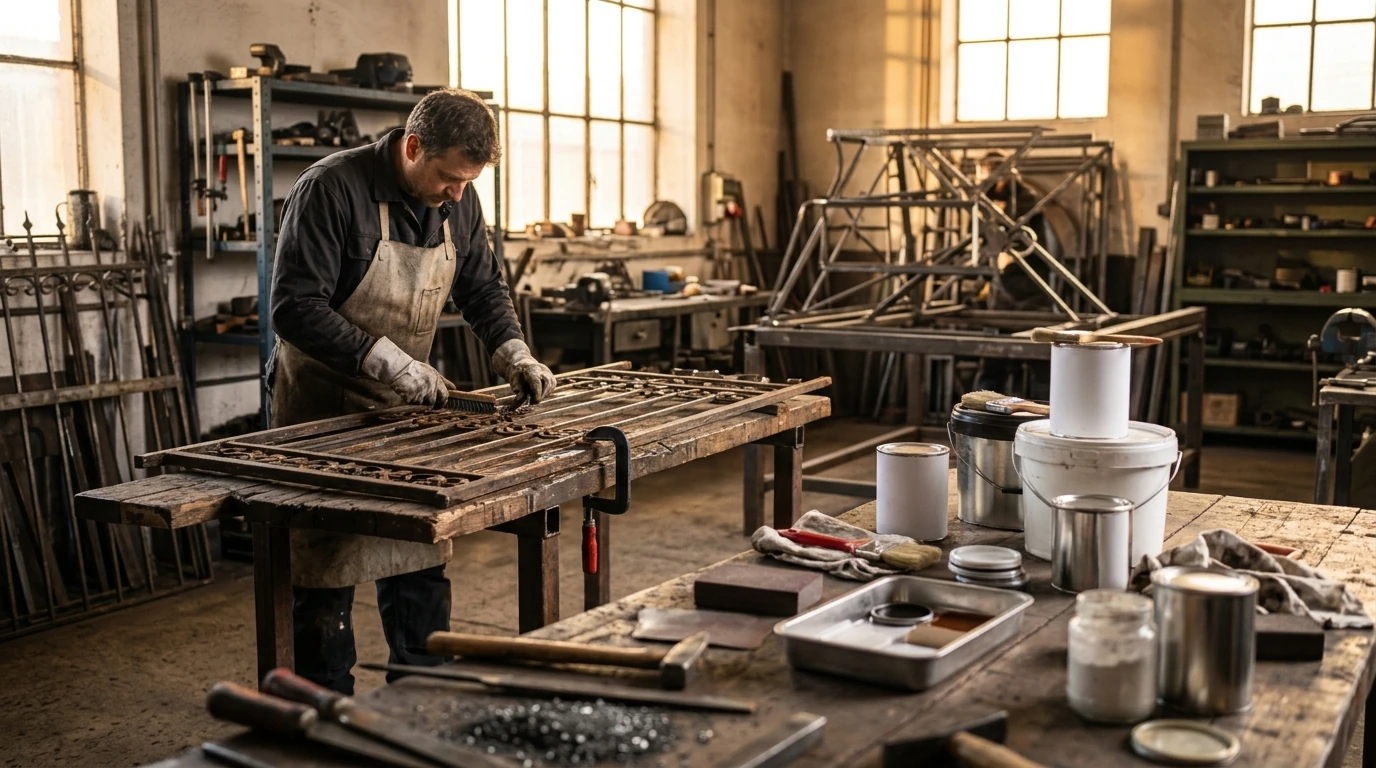
Best Rust-Proof Coating for Iron
The best rust-proof coating for iron is a layered system: a zinc-rich primer, a high-build epoxy (or epoxy-mastic) intermediate coat, and a UV-stable polyurethane or exterior enamel topcoat. Our team recommends this approach because each layer does a different job—zinc helps stop corrosion at the metal surface, epoxy blocks moisture and oxygen, and the topcoat protects the epoxy from sunlight and wear.
Our Go-To Coating System (Most Durable)
1) Prep the metal: Remove loose rust and failing paint with a wire brush, sanding, or blasting. Clean off dust and oils with a degreaser and let it fully dry.
2) Prime with zinc-rich primer: This is the “rust insurance” layer for bare iron. Apply an even coat, making sure you hit seams, scrollwork, and welds where rust starts first.
3) Add an epoxy barrier coat: Epoxy creates a thick moisture block. For pitted or lightly rusty iron, an epoxy mastic is forgiving and builds film thickness quickly.
4) Finish with a UV-stable topcoat: Use polyurethane (best outdoors) or a quality exterior enamel. Without a UV-stable topcoat, epoxy can chalk and degrade in sunlight.
Best Choice for Decorative Wrought Iron (Fast, Clean Results)
If you’re refreshing decorative iron like wall art or garden accents, a rust-inhibiting primer plus an exterior enamel topcoat is usually the sweet spot for performance and appearance. For more guidance on caring for ornamental ironwork, see our guide: Antique European Wrought Iron Floral Wall Art Guide.
Clear Coats: When They Work (and When They Don’t)
Clear coats help indoors or in dry areas, but they’re rarely the best standalone rust-proofing outdoors because moisture can creep under the film. If you want a “bare metal” look, a clear coat can work best over properly prepped metal with a compatible primer, and it needs touch-ups at the first sign of lifting.
FAQ
What to coat iron with to prevent rust?
Use a rust-inhibiting primer (ideally zinc-rich on bare iron) followed by a durable topcoat like exterior enamel or polyurethane. For maximum protection, add an epoxy barrier coat between primer and topcoat.
What is the best rust-resistant coating for metal?
For long-term corrosion resistance, a zinc-rich primer plus an epoxy intermediate coat and a UV-stable polyurethane topcoat is one of the toughest systems available. It performs especially well in outdoor and high-humidity conditions when surface prep is done correctly.
Recommended for you
2000 Lumens in a Bedroom: Too Bright or Just Right?
Oct 10, 2026








Leave a comment