-
Shop
- Advanced Technologies
- AI Skills
- Bathroom
- Best-Sellers
- Car Accessories
- Confidence
- Dating & Social Skills
- Digital Resources
- AI & Technology
- Beauty
- Budgeting & Saving
- Car Buying & Ownership
- Cozy Feast Collection
- Electronics & Technology
- Entrepreneurship & Business Growth
- Financial Education
- Financial Independence
- Financial Mindset & Psychology
- Goal Setting
- Home Styling & Organization
- Kitchen & Recipes
- Leadership
- Mindfulness
- Mindset
- Online Business
- Parenting & Child Development
- Personal Style & Fashion
- Pet Lifestyle & Wellness
- Positive Thinking
- Sleep Improvement
- Smart Life with AI
- Stress Management & Relaxation
- Travel Planning
- Wellness
- Yoga & Fitness
- Yoga & Mind-Body Practices
- Education & Learning
- Family & Parenting
- Fashion
- Accessories
- Alexander McQueen
- Bags
- Bags & Wallets
- Balenciaga
- Belts
- Blazers
- Bottega Veneta
- Bottoms
- Brunello Cucinelli
- Burberry
- Chanel
- Chloé
- Dior
- Dolce & Gabbana
- Dresses
- Etro
- Fendi
- Gucci
- Hats & Hair Accessories
- Hoodies & Sweatshirts
- Jacquemus
- Jewelry
- Jil Sander
- Kiton
- Luggage
- Miu Miu
- Off-White
- Outerwear
- Prada
- Rick Owens
- Saint Laurent
- Shoes
- Socks & Tights
- Sweaters & Cardigans
- The Row
- Tom Ford
- Tops & Shirts
- Valentino
- Valentino Garavani
- Versace
- Vivienne Westwood
- Watches
- Fashion Accessories
- Furniture
- Gadgets
- Health & Beauty
- Health & Wellness
- Home & Garden
- Home Decor
- Home Electronics
- Home Supplies
- Kids & Babies
- Kitchen
- Kitchen Best-Sellers
- Lighting
- Patio, Lawn & Garden
- Personal Growth
- Pet Care
- Pet Supplies
- Pets
- Sport & Outdoors
- Super Deals
- Travel
- Travel & Adventure
- Wealth
- Popular
- Best deals
Four Pillars of Confidence: Build Self-Belief Fast
What are the four pillars of confidence?
Confidence isn’t a personality trait you’re either born with or without. Our team treats it like a structure you can build, reinforce, and maintain. The four pillars below work together: when one is weak, you feel it in hesitation, overthinking, and self-doubt; when you strengthen them, you show up steadier in relationships, work, and daily decisions.
1) Self-awareness (knowing what’s true for you)
Self-awareness is your ability to notice what you’re feeling, what triggers you, and what you actually want—without instantly judging it. When you can name your patterns (“I freeze when I feel evaluated” or “I people-please when I’m tired”), you can choose a better response. A practical way to build this pillar is short daily check-ins: what happened, what you felt, what story you told yourself, and what you needed.
2) Self-trust (keeping promises to yourself)
Self-trust grows when your actions match your intentions, especially in small ways. Instead of setting huge goals, pick “non-negotiables” you can keep—like a 10-minute skill practice, a boundary you’ll hold, or one honest conversation you’ve been avoiding. Each follow-through becomes evidence that you can rely on yourself.
3) Competence (skills and reps)
Confidence gets sturdier when you build real ability. Choose one area you care about and define the next workable step: learn a script, practice a presentation out loud, role-play a tough conversation, or break a project into repeatable routines. Track reps, not perfection—competence is cumulative.
4) Courage (acting with fear present)
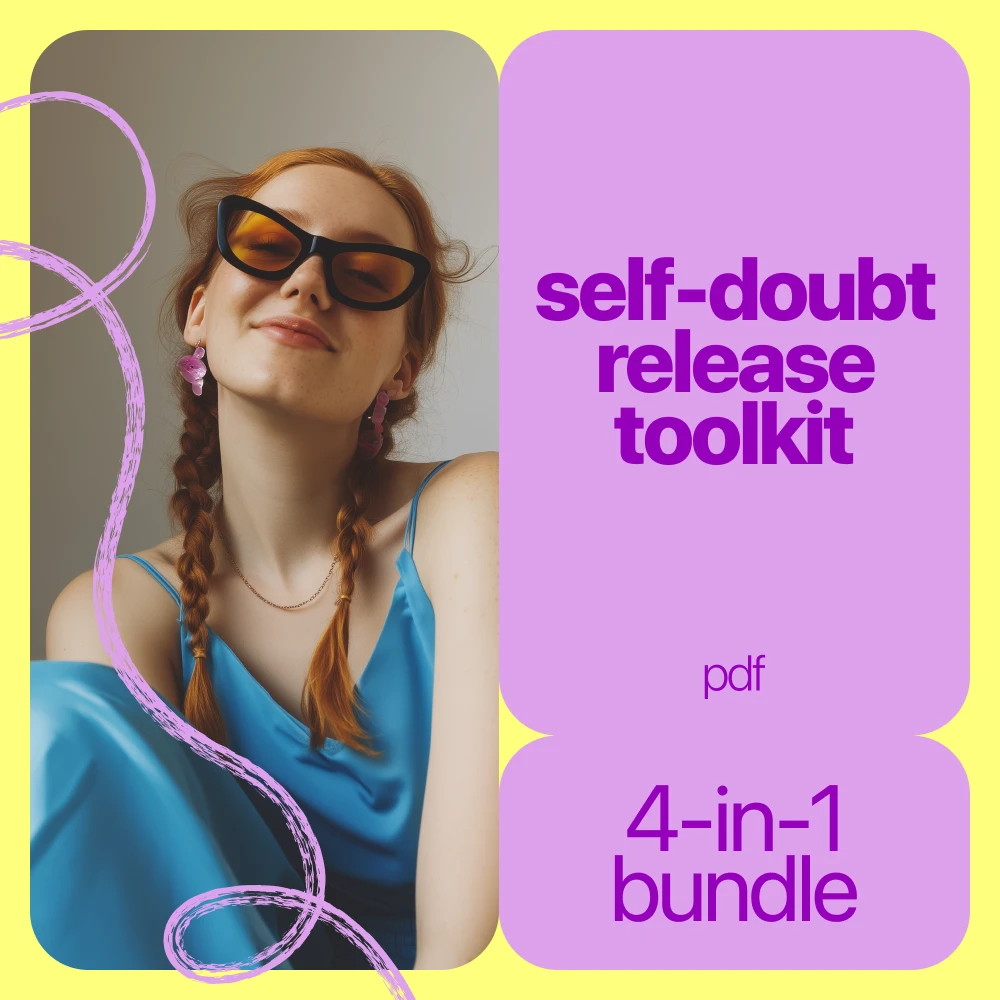
Courage is doing the next right thing while your nerves are still loud. This pillar strengthens when you take “safe risks” on purpose: ask a question, share your work, apply, negotiate, or say no. If you want a structured way to reset fear and rebuild momentum, use our step-by-step guide here: self-doubt release toolkit to reset fear and build confidence.
FAQ
How can I rebuild confidence after a setback?
Start by narrowing your focus to one controllable action you can repeat daily for a week, then increase the difficulty gradually. Pair that with a quick debrief of what you learned from the setback so it becomes training data instead of a verdict on you.
Recommended for you



2000 Lumens in a Bedroom: Too Bright or Just Right?
Oct 10, 2026













Leave a comment