-
Shop
- Advanced Technologies
- AI Skills
- Bathroom
- Best-Sellers
- Car Accessories
- Confidence
- Dating & Social Skills
- Digital Resources
- AI & Technology
- Beauty
- Budgeting & Saving
- Car Buying & Ownership
- Cozy Feast Collection
- Electronics & Technology
- Entrepreneurship & Business Growth
- Financial Education
- Financial Independence
- Financial Mindset & Psychology
- Goal Setting
- Home Styling & Organization
- Kitchen & Recipes
- Leadership
- Mindfulness
- Mindset
- Online Business
- Parenting & Child Development
- Personal Style & Fashion
- Pet Lifestyle & Wellness
- Positive Thinking
- Sleep Improvement
- Smart Life with AI
- Stress Management & Relaxation
- Travel Planning
- Wellness
- Yoga & Fitness
- Yoga & Mind-Body Practices
- Education & Learning
- Family & Parenting
- Fashion
- Accessories
- Alexander McQueen
- Bags
- Bags & Wallets
- Balenciaga
- Belts
- Blazers
- Bottega Veneta
- Bottoms
- Brunello Cucinelli
- Burberry
- Chanel
- Chloé
- Dior
- Dolce & Gabbana
- Dresses
- Etro
- Fendi
- Gucci
- Hats & Hair Accessories
- Hoodies & Sweatshirts
- Jacquemus
- Jewelry
- Jil Sander
- Kiton
- Luggage
- Miu Miu
- Off-White
- Outerwear
- Prada
- Rick Owens
- Saint Laurent
- Shoes
- Socks & Tights
- Sweaters & Cardigans
- The Row
- Tom Ford
- Tops & Shirts
- Valentino
- Valentino Garavani
- Versace
- Vivienne Westwood
- Watches
- Fashion Accessories
- Furniture
- Gadgets
- Health & Beauty
- Health & Wellness
- Home & Garden
- Home Decor
- Home Electronics
- Home Supplies
- Kids & Babies
- Kitchen
- Kitchen Best-Sellers
- Lighting
- Patio, Lawn & Garden
- Personal Growth
- Pet Care
- Pet Supplies
- Pets
- Sport & Outdoors
- Super Deals
- Travel
- Travel & Adventure
- Wealth
- Popular
- Best deals
Dimmable Bulbs for Dimmer Switches: What to Use
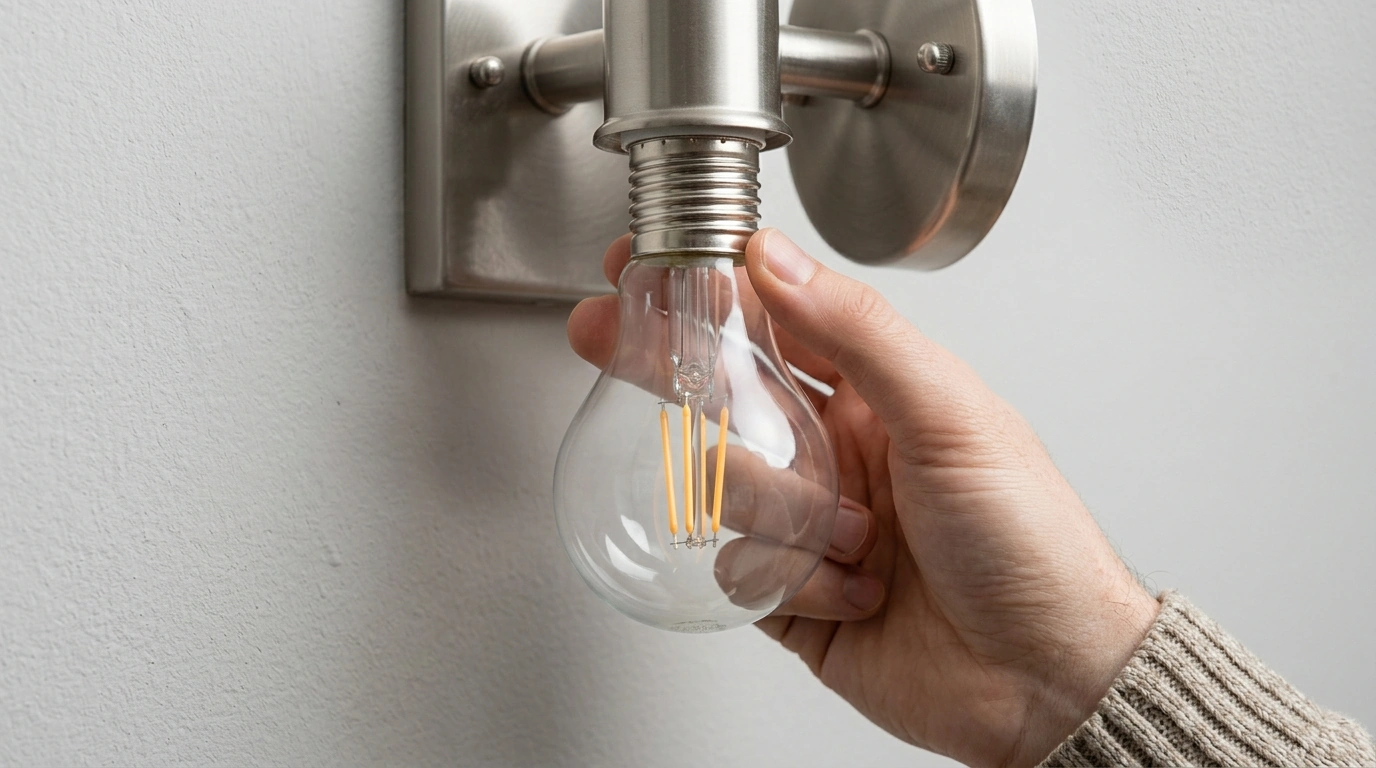
Do you need certain bulbs for dimmer switches?
Yes—if you want smooth, flicker-free dimming, you need bulbs that are designed to dim. A standard non-dimmable bulb may turn on and off normally, but when you put it on a dimmer it can buzz, flicker, drop out at low settings, or fail early. Our team recommends treating the bulb and the dimmer as a matched pair: dimmable bulb + compatible dimmer = reliable control and better ambiance.
How to tell if a bulb works with a dimmer
Look for “Dimmable” on the bulb’s packaging or base. Incandescent and halogen bulbs are inherently dimmable, but most homes now use LED—and not all LED bulbs dim. Dimmable LED bulbs usually specify the dimming type (leading-edge/triac, trailing-edge/ELV, or 0–10V) and may list compatible dimmer models.
Match the dimmer to the bulb type
Older wall dimmers were built for incandescent loads (triac/leading-edge). Many will work with dimmable LEDs, but not all. If your LED bulbs flicker or only dim a little, swapping to an LED-rated dimmer often fixes it. For low-voltage lighting (like some recessed or under-cabinet systems), you may need an ELV or 0–10V dimmer that matches the driver/transformer—not just the bulb.
Common dimming problems (and quick fixes)
If you see flicker at low levels, try an LED-compatible dimmer and set the dimmer’s low-end trim (if available). If you hear buzzing, reduce the number of bulbs on that dimmer, use higher-quality dimmable LEDs, or switch to a trailing-edge dimmer. If the lights cut out before reaching a soft glow, the dimmer’s minimum load may be too high for your LED wattage; an LED dimmer is the right move.
Plan dimming as part of layered lighting
Dimmers shine when you use them to balance ambient, task, and accent light across a room. For a practical approach to bulb choices and placement, see our guide: balanced home lighting layers, bulbs, and placement tips.
FAQ
Why do LED bulbs flicker on a dimmer?
Flicker usually happens when the dimmer isn’t designed for LED loads or the bulb’s dimming circuitry isn’t compatible with that dimmer. Switching to an LED-rated dimmer and using quality dimmable LEDs typically resolves it.
Recommended for you



Do All Light Bulbs Work With Dimmer Switches?
Oct 10, 2026












Leave a comment