-
Shop
- Advanced Technologies
- AI Skills
- Bathroom
- Best-Sellers
- Car Accessories
- Confidence
- Dating & Social Skills
- Digital Resources
- AI & Technology
- Beauty
- Budgeting & Saving
- Car Buying & Ownership
- Cozy Feast Collection
- Electronics & Technology
- Entrepreneurship & Business Growth
- Financial Education
- Financial Independence
- Financial Mindset & Psychology
- Goal Setting
- Home Styling & Organization
- Kitchen & Recipes
- Leadership
- Mindfulness
- Mindset
- Online Business
- Parenting & Child Development
- Personal Style & Fashion
- Pet Lifestyle & Wellness
- Positive Thinking
- Sleep Improvement
- Smart Life with AI
- Stress Management & Relaxation
- Travel Planning
- Wellness
- Yoga & Fitness
- Yoga & Mind-Body Practices
- Education & Learning
- Family & Parenting
- Fashion
- Accessories
- Alexander McQueen
- Bags
- Bags & Wallets
- Balenciaga
- Belts
- Blazers
- Bottega Veneta
- Bottoms
- Brunello Cucinelli
- Burberry
- Chanel
- Chloé
- Dior
- Dolce & Gabbana
- Dresses
- Etro
- Fendi
- Gucci
- Hats & Hair Accessories
- Hoodies & Sweatshirts
- Jacquemus
- Jewelry
- Jil Sander
- Kiton
- Luggage
- Miu Miu
- Off-White
- Outerwear
- Prada
- Rick Owens
- Saint Laurent
- Shoes
- Socks & Tights
- Sweaters & Cardigans
- The Row
- Tom Ford
- Tops & Shirts
- Valentino
- Valentino Garavani
- Versace
- Vivienne Westwood
- Watches
- Fashion Accessories
- Furniture
- Gadgets
- Health & Beauty
- Health & Wellness
- Home & Garden
- Home Decor
- Home Electronics
- Home Supplies
- Kids & Babies
- Kitchen
- Kitchen Best-Sellers
- Lighting
- Patio, Lawn & Garden
- Personal Growth
- Pet Care
- Pet Supplies
- Pets
- Sport & Outdoors
- Super Deals
- Travel
- Travel & Adventure
- Wealth
- Popular
- Best deals
A Smarter Way to Balance Lighting in Any Room
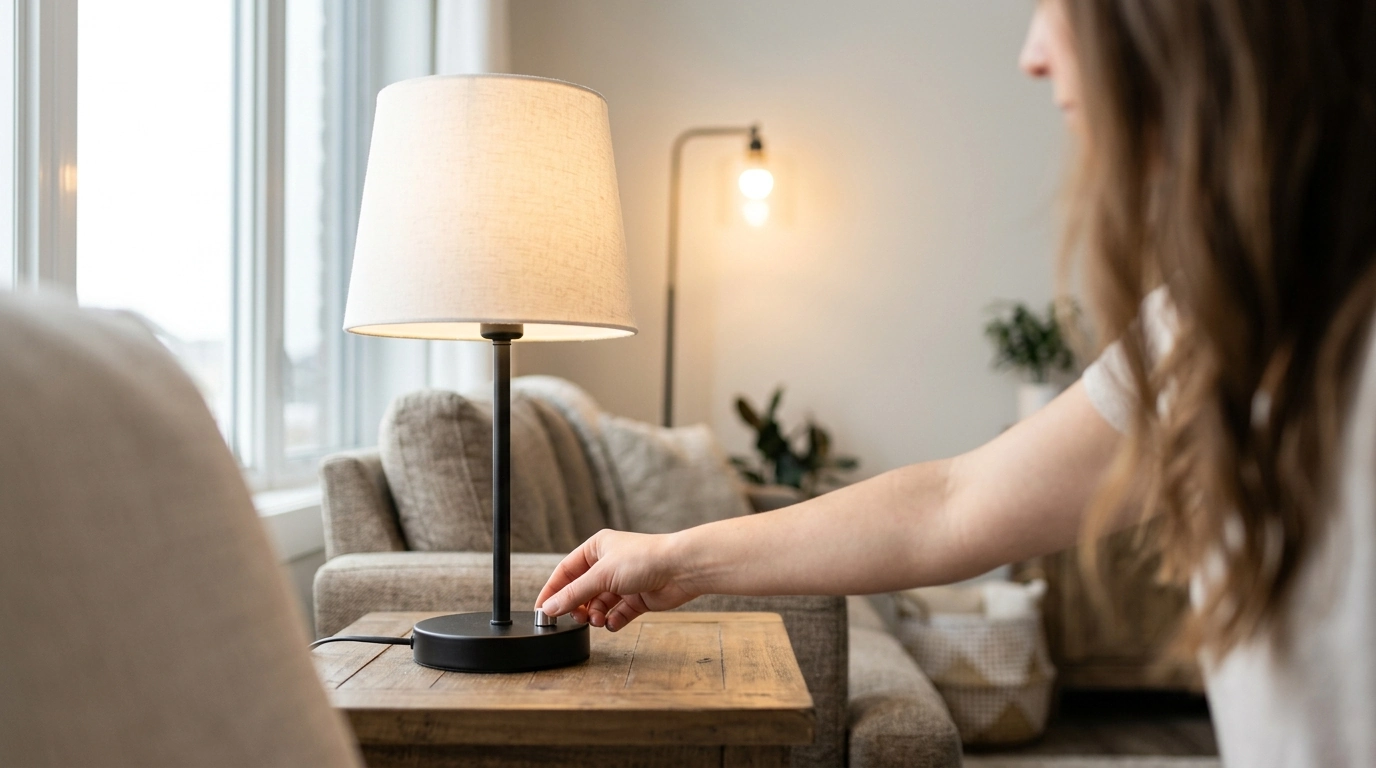
How to balance lighting in a room?
A well-lit room feels comfortable because light is spread across different areas and supports the way you use the space. Rather than relying on one bright ceiling fixture, combine general illumination with focused task light and softer accents. Our team recommends planning around your activities, room layout, and existing daylight, then adjusting until the light feels even without becoming flat or glaring.
How do you layer different types of light?
Start with ambient lighting, which provides the room’s overall glow. Ceiling fixtures, recessed lights, and indirect light from a floor lamp can all contribute. Add task lighting where you read, cook, work, or get ready: a desk lamp, under-cabinet lighting, or a bedside lamp puts illumination where you need it. Finish with accent lighting to highlight artwork, shelving, or architectural details.
Each layer should have a purpose, and the layers should work together. If the ceiling light is bright but a reading chair is dim, add a lamp near the chair instead of increasing the brightness everywhere. For more planning ideas, visit our guide to balanced home lighting, bulb choices, and placement.
Where should you place lights?
Spread light sources around the room rather than clustering them in one spot. Lamps at different heights help reduce dark corners and create a more natural-feeling balance. Position task lights so your body does not cast a shadow over the work area. For reading, place a lamp beside or slightly behind your seat; for a desk, aim light across the surface without shining directly into your eyes.
Watch for glare on screens, glossy tables, and mirrors. Adjust the angle or move the fixture if a bulb reflects into your line of sight. In rooms with strong daylight, use window coverings to soften harsh sun and make the transition between bright and shaded areas more comfortable.
How do you choose bulbs and brightness?
Choose brightness for the task and fixture, not by using the same bulb everywhere. A work surface needs clearer, stronger light than a spot meant for relaxing. Check the fixture’s maximum wattage and use the bulb type it is designed to support. For a cohesive look, use bulbs with similar color temperature in areas you can see at the same time. Warm white tends to feel inviting, while cooler white can make detailed tasks easier.
How can you tell if the room is balanced?
Turn on the lights you use together and look for overly bright patches, deep shadows, or uncomfortable glare. Try each activity in the room, then move or dim lights as needed. Dimmers and separately switched layers make it easier to shift from focused work to a relaxed evening setting.
FAQ
What color temperature is best for a living room?
Warm white light is a comfortable choice for relaxing and entertaining. Keep bulbs in nearby fixtures similar in color temperature for a more unified appearance.
Recommended for you



Wrought Iron Wall Art Weight: Quick Estimate Guide
Aug 11, 2026













Leave a comment