-
Shop
- Advanced Technologies
- AI Skills
- Bathroom
- Best-Sellers
- Car Accessories
- Confidence
- Dating & Social Skills
- Digital Resources
- AI & Technology
- Beauty
- Budgeting & Saving
- Car Buying & Ownership
- Cozy Feast Collection
- Electronics & Technology
- Entrepreneurship & Business Growth
- Financial Education
- Financial Independence
- Financial Mindset & Psychology
- Goal Setting
- Home Styling & Organization
- Kitchen & Recipes
- Leadership
- Mindfulness
- Mindset
- Online Business
- Parenting & Child Development
- Personal Style & Fashion
- Pet Lifestyle & Wellness
- Positive Thinking
- Sleep Improvement
- Smart Life with AI
- Stress Management & Relaxation
- Travel Planning
- Wellness
- Yoga & Fitness
- Yoga & Mind-Body Practices
- Education & Learning
- Family & Parenting
- Fashion
- Accessories
- Alexander McQueen
- Bags
- Bags & Wallets
- Balenciaga
- Belts
- Blazers
- Bottega Veneta
- Bottoms
- Brunello Cucinelli
- Burberry
- Chanel
- Chloé
- Dior
- Dolce & Gabbana
- Dresses
- Etro
- Fendi
- Gucci
- Hats & Hair Accessories
- Hoodies & Sweatshirts
- Jacquemus
- Jewelry
- Jil Sander
- Kiton
- Luggage
- Miu Miu
- Off-White
- Outerwear
- Prada
- Rick Owens
- Saint Laurent
- Shoes
- Socks & Tights
- Sweaters & Cardigans
- The Row
- Tom Ford
- Tops & Shirts
- Valentino
- Valentino Garavani
- Versace
- Vivienne Westwood
- Watches
- Fashion Accessories
- Furniture
- Gadgets
- Health & Beauty
- Health & Wellness
- Home & Garden
- Home Decor
- Home Electronics
- Home Supplies
- Kids & Babies
- Kitchen
- Kitchen Best-Sellers
- Lighting
- Patio, Lawn & Garden
- Personal Growth
- Pet Care
- Pet Supplies
- Pets
- Sport & Outdoors
- Super Deals
- Travel
- Travel & Adventure
- Wealth
- Popular
- Best deals
Simple First Budget: 30-Day Setup With Weekly Checklist

How do you set up a simple budget for the first time using a guide and checklist?
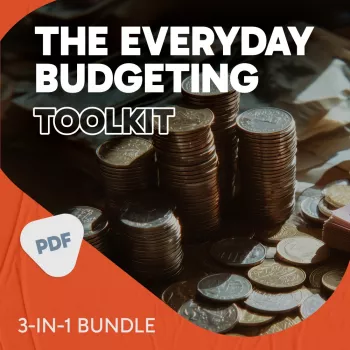
Start by choosing a short, structured window so the process feels doable. A 30-day plan paired with a weekly checklist keeps you focused on a few clear actions at a time: capture what you earn, list what you must pay, and decide what’s left before the month runs away from you. If you want a ready-to-follow framework, use this step-by-step resource: Everyday Budgeting Toolkit: 30-Day Plan + Weekly Checklist.
1) Gather the numbers you’ll actually use
Pull your last 1–2 months of bank and card statements, plus any bills that don’t show up there yet (rent, insurance, subscriptions). Write down your take-home income (what hits your account), not your pre-tax salary.
2) List “must-pay” expenses first
Make a short essentials list: housing, utilities, groceries, transportation, minimum debt payments, and insurance. These are the non-negotiables your budget must cover before anything else.
3) Track your spending in simple buckets
Create 5–8 categories max (for example: groceries, dining, gas/transit, household, health, fun, savings, debt extra). Assign a starter amount to each based on your recent averages, then trim one or two categories if the total exceeds your income.
4) Add a “buffer” line
Include a small cushion (even $25–$100) for surprises. A buffer prevents the budget from failing the first time an irregular expense pops up.
5) Use a weekly checklist to stay on track
Once a week, do a 10-minute check-in: confirm bills paid, review category totals, move money if needed, and plan for the next seven days (like a grocery run or a weekend event). This weekly rhythm is where first-time budgets become sustainable.
6) Adjust after two weeks—don’t start over
If you overspend in one category, lower another category or reduce the next week’s discretionary spending. Small adjustments beat scrapping the whole plan.
FAQ
What’s the easiest budgeting method for beginners?
A beginner-friendly approach is a monthly plan with a quick weekly review: cover essentials first, set a few spending categories, and adjust weekly instead of trying to predict everything perfectly.
Recommended for you


Wrought Iron Wall Art Weight: Quick Estimate Guide
Aug 11, 2026













Leave a comment