-
Shop
- Advanced Technologies
- AI Skills
- Bathroom
- Best-Sellers
- Car Accessories
- Confidence
- Dating & Social Skills
- Digital Resources
- AI & Technology
- Beauty
- Budgeting & Saving
- Car Buying & Ownership
- Cozy Feast Collection
- Electronics & Technology
- Entrepreneurship & Business Growth
- Financial Education
- Financial Independence
- Financial Mindset & Psychology
- Goal Setting
- Home Styling & Organization
- Kitchen & Recipes
- Leadership
- Mindfulness
- Mindset
- Online Business
- Parenting & Child Development
- Personal Style & Fashion
- Pet Lifestyle & Wellness
- Positive Thinking
- Sleep Improvement
- Smart Life with AI
- Stress Management & Relaxation
- Travel Planning
- Wellness
- Yoga & Fitness
- Yoga & Mind-Body Practices
- Education & Learning
- Family & Parenting
- Fashion
- Accessories
- Alexander McQueen
- Bags
- Bags & Wallets
- Balenciaga
- Belts
- Blazers
- Bottega Veneta
- Bottoms
- Brunello Cucinelli
- Burberry
- Chanel
- Chloé
- Dior
- Dolce & Gabbana
- Dresses
- Etro
- Fendi
- Gucci
- Hats & Hair Accessories
- Hoodies & Sweatshirts
- Jacquemus
- Jewelry
- Jil Sander
- Kiton
- Luggage
- Miu Miu
- Off-White
- Outerwear
- Prada
- Rick Owens
- Saint Laurent
- Shoes
- Socks & Tights
- Sweaters & Cardigans
- The Row
- Tom Ford
- Tops & Shirts
- Valentino
- Valentino Garavani
- Versace
- Vivienne Westwood
- Watches
- Fashion Accessories
- Furniture
- Gadgets
- Health & Beauty
- Health & Wellness
- Home & Garden
- Home Decor
- Home Electronics
- Home Supplies
- Kids & Babies
- Kitchen
- Kitchen Best-Sellers
- Lighting
- Patio, Lawn & Garden
- Personal Growth
- Pet Care
- Pet Supplies
- Pets
- Sport & Outdoors
- Super Deals
- Travel
- Travel & Adventure
- Wealth
- Popular
- Best deals
Wind & Rain Checklist for Safe Running or Hiking
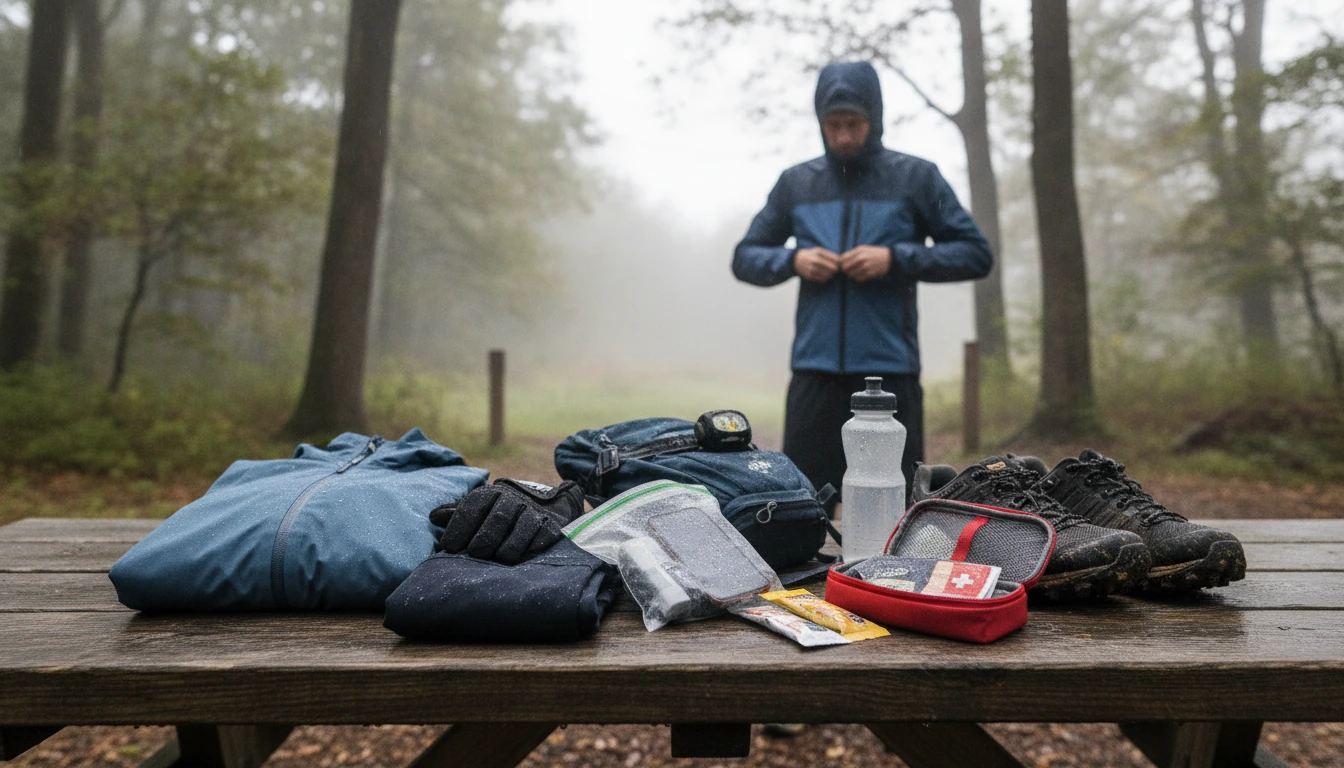
What should be on a wind and rain workout checklist for outdoor running or hiking?
A solid wind-and-rain checklist keeps you warm, visible, and in control when conditions shift fast. Focus on three areas: weather readiness, the right gear, and a safety plan you can execute even with cold hands and limited visibility.
1) Quick weather and route checks
Confirm the hourly forecast (wind gusts matter more than steady wind), temperature, and lightning risk. Pick a route with bailout options, natural wind breaks, and good drainage. For hikes, avoid exposed ridgelines and areas with falling-branch risk during strong gusts.
2) Clothing that stays warm when wet
Wear moisture-wicking base layers (avoid cotton), add an insulating mid-layer if it’s cool, and top with a breathable waterproof/water-resistant shell. A brimmed hat helps keep rain off your face; a buff or neck gaiter reduces wind chill. Pack dry socks or a lightweight extra layer in a waterproof bag if you’ll be out long.
3) Footing and hand protection
Choose shoes with dependable traction; slick pavement, painted lines, and wet rocks are common slip zones. Consider thin liner gloves under a windproof/water-resistant outer glove, and keep a small towel or wipe to dry hands before using your phone.
4) Visibility and essentials
Use a bright or reflective outer layer, plus a headlamp in low light and heavy rain. Bring a fully charged phone, ID, a small emergency whistle, and hydration—cold air still dehydrates. For longer efforts, add an emergency blanket and basic blister care.
5) Safety rules to follow every time
Tell someone your route and return time, start conservatively, and turn around if gusts are pushing you off line, you can’t stay warm, or you see flooding. If thunder is possible, skip exposed terrain.
For a deeper, step-by-step breakdown, see the full guide here: wind and rain workout checklist for safer storm training.
FAQ
How do I know when it’s too windy to run or hike?
If gusts affect your balance, blow debris into your path, or make it hard to control direction on open stretches, it’s time to choose a sheltered route or reschedule. Also avoid high-exposure areas like ridgelines and bridges when gusts are strong.















Leave a comment