-
Shop
- Advanced Technologies
- AI Skills
- Bathroom
- Best-Sellers
- Car Accessories
- Confidence
- Dating & Social Skills
- Digital Resources
- AI & Technology
- Beauty
- Budgeting & Saving
- Car Buying & Ownership
- Cozy Feast Collection
- Electronics & Technology
- Entrepreneurship & Business Growth
- Financial Education
- Financial Independence
- Financial Mindset & Psychology
- Goal Setting
- Home Styling & Organization
- Kitchen & Recipes
- Leadership
- Mindfulness
- Mindset
- Online Business
- Parenting & Child Development
- Personal Style & Fashion
- Pet Lifestyle & Wellness
- Positive Thinking
- Sleep Improvement
- Smart Life with AI
- Stress Management & Relaxation
- Travel Planning
- Wellness
- Yoga & Fitness
- Yoga & Mind-Body Practices
- Education & Learning
- Family & Parenting
- Fashion
- Accessories
- Alexander McQueen
- Bags
- Bags & Wallets
- Balenciaga
- Belts
- Blazers
- Bottega Veneta
- Bottoms
- Brunello Cucinelli
- Burberry
- Chanel
- Chloé
- Dior
- Dolce & Gabbana
- Dresses
- Etro
- Fendi
- Gucci
- Hats & Hair Accessories
- Hoodies & Sweatshirts
- Jacquemus
- Jewelry
- Jil Sander
- Kiton
- Luggage
- Miu Miu
- Off-White
- Outerwear
- Prada
- Rick Owens
- Saint Laurent
- Shoes
- Socks & Tights
- Sweaters & Cardigans
- The Row
- Tom Ford
- Tops & Shirts
- Valentino
- Valentino Garavani
- Versace
- Vivienne Westwood
- Watches
- Fashion Accessories
- Furniture
- Gadgets
- Health & Beauty
- Health & Wellness
- Home & Garden
- Home Decor
- Home Electronics
- Home Supplies
- Kids & Babies
- Kitchen
- Kitchen Best-Sellers
- Lighting
- Patio, Lawn & Garden
- Personal Growth
- Pet Care
- Pet Supplies
- Pets
- Sport & Outdoors
- Super Deals
- Travel
- Travel & Adventure
- Wealth
- Popular
- Best deals
Budgeting Guide vs Checklist: Which One to Use Now

What’s the difference between a budgeting guide and a budgeting checklist?
A budgeting guide is a teaching tool. It explains the “why” behind budgeting, walks through steps like setting goals, tracking spending, and choosing categories, and often includes examples to help shape decisions. A budgeting guide is best when starting fresh, rebuilding after a financial setback, or switching to a new system and needing context and structure.
A budgeting checklist is an execution tool. It’s a quick, scan-friendly list of actions to complete on a schedule (daily, weekly, or monthly), such as logging purchases, reviewing account balances, paying bills, or reconciling a budget category. A checklist is best when the method is already chosen and the goal is consistency.
How they work together
Many people use a guide once to set up the framework, then rely on a checklist to keep the routine running. The guide helps define categories, limits, and priorities; the checklist keeps those choices from being forgotten when life gets busy.
Which one should you use right now?
If budgeting feels confusing or overwhelming, start with a guide. If budgeting feels simple but hard to maintain, start with a checklist. If both apply, use a guide to build a plan and a checklist to protect it.
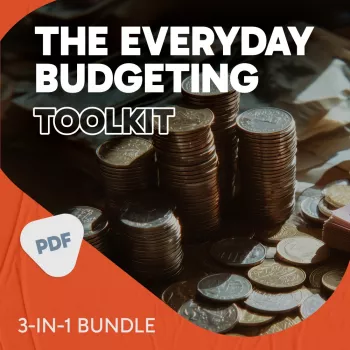
For a practical combo approach—step-by-step direction plus a repeatable routine—see this everyday budgeting toolkit with a 30-day plan and weekly checklist.
For Budgeting Guide vs Checklist: Which One to Use Now, the best answer depends on fit, material, care instructions, and how the product will be used day to day.
Checking those details first helps avoid a poor match and keeps the choice practical after delivery.
For Budgeting Guide vs Checklist: Which One to Use Now, the best answer depends on fit, material, care instructions, and how the product will be used day to day.
FAQ
How often should you update your budget?
Most people benefit from a quick weekly check-in to review spending and a deeper monthly reset to adjust categories, plan bills, and set new targets based on upcoming expenses.















Leave a comment