-
Shop
- Advanced Technologies
- AI Skills
- Bathroom
- Best-Sellers
- Car Accessories
- Confidence
- Dating & Social Skills
- Digital Resources
- AI & Technology
- Beauty
- Budgeting & Saving
- Car Buying & Ownership
- Cozy Feast Collection
- Electronics & Technology
- Entrepreneurship & Business Growth
- Financial Education
- Financial Independence
- Financial Mindset & Psychology
- Goal Setting
- Home Styling & Organization
- Kitchen & Recipes
- Leadership
- Mindfulness
- Mindset
- Online Business
- Parenting & Child Development
- Personal Style & Fashion
- Pet Lifestyle & Wellness
- Positive Thinking
- Sleep Improvement
- Smart Life with AI
- Stress Management & Relaxation
- Travel Planning
- Wellness
- Yoga & Fitness
- Yoga & Mind-Body Practices
- Education & Learning
- Family & Parenting
- Fashion
- Accessories
- Alexander McQueen
- Bags
- Bags & Wallets
- Balenciaga
- Belts
- Blazers
- Bottega Veneta
- Bottoms
- Brunello Cucinelli
- Burberry
- Chanel
- Chloé
- Dior
- Dolce & Gabbana
- Dresses
- Etro
- Fendi
- Gucci
- Hats & Hair Accessories
- Hoodies & Sweatshirts
- Jacquemus
- Jewelry
- Jil Sander
- Kiton
- Luggage
- Miu Miu
- Off-White
- Outerwear
- Prada
- Rick Owens
- Saint Laurent
- Shoes
- Socks & Tights
- Sweaters & Cardigans
- The Row
- Tom Ford
- Tops & Shirts
- Valentino
- Valentino Garavani
- Versace
- Vivienne Westwood
- Watches
- Fashion Accessories
- Furniture
- Gadgets
- Health & Beauty
- Health & Wellness
- Home & Garden
- Home Decor
- Home Electronics
- Home Supplies
- Kids & Babies
- Kitchen
- Kitchen Best-Sellers
- Lighting
- Patio, Lawn & Garden
- Personal Growth
- Pet Care
- Pet Supplies
- Pets
- Sport & Outdoors
- Super Deals
- Travel
- Travel & Adventure
- Wealth
- Popular
- Best deals
Basic Eye Exam Checklist: What’s Included
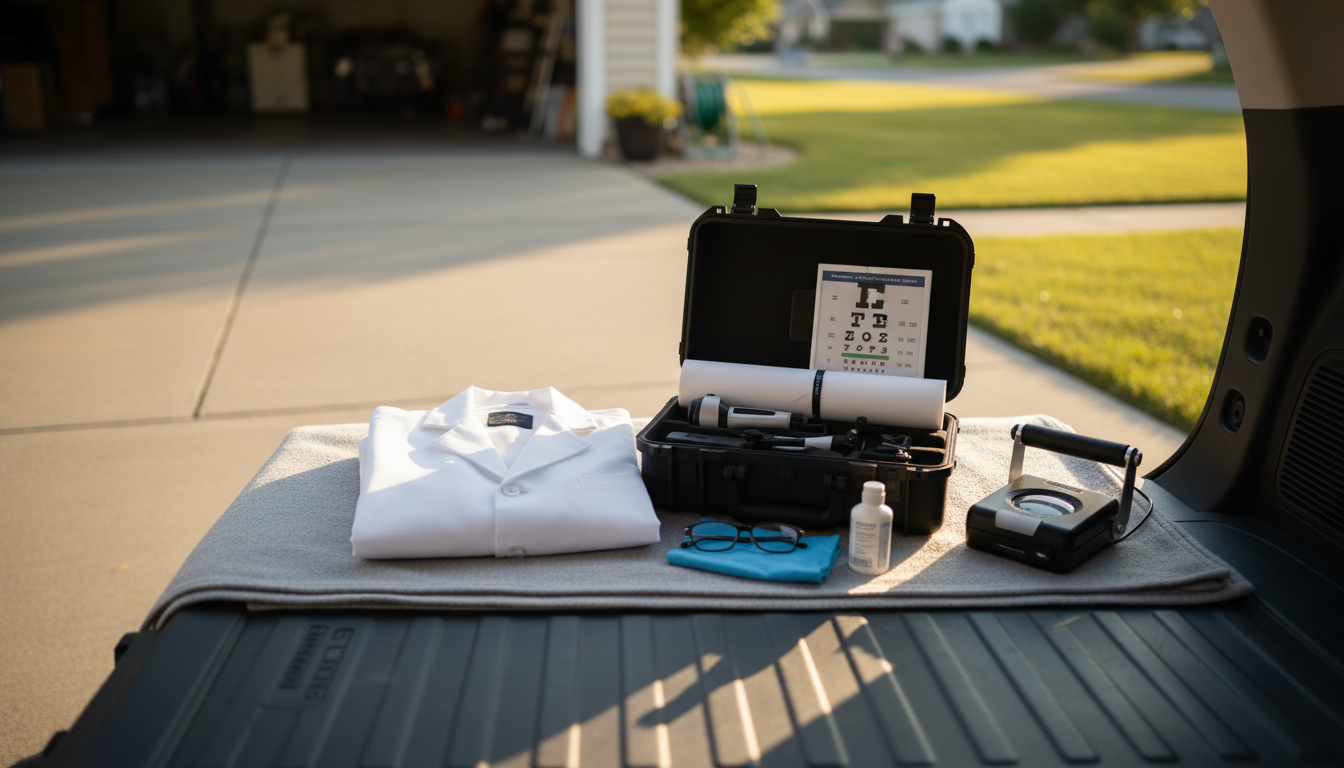
What does a basic eye exam include?
A basic eye exam is a step-by-step check of how well your eyes see and how healthy they are. It typically starts with a brief health history and a conversation about symptoms (blurred vision, headaches, eye strain, dryness, flashes, or floaters) plus any medications that could affect vision.
Next comes a vision test, including a visual acuity check (reading letters on a chart) and, if needed, a refraction test to determine your prescription for glasses or contacts. Many exams also include testing how your pupils respond to light and how well your eyes work together (alignment and tracking).
Eye pressure is usually measured to screen for glaucoma. Depending on the clinic, this may be done with a quick puff of air or a gentle instrument that touches the surface of the eye after numbing drops. Your provider may also perform a visual field screening to look for blind spots or peripheral vision changes.
To examine eye health, the optometrist or ophthalmologist uses a slit-lamp microscope to inspect the front of the eye—eyelids, cornea, iris, and lens—for issues like inflammation, cataracts, or signs of infection. The back of the eye (retina and optic nerve) is evaluated with special lights and lenses; sometimes dilating drops are used to widen the pupils for a more thorough view. If dilation is used, expect light sensitivity and blurry near vision for a few hours.
If you’re caring for a pet, many warning signs overlap—redness, discharge, squinting, and cloudiness are never “wait and see” symptoms. For practical daily eye-care tips and what to watch for, see this guide to daily eye care for dogs and cats.
For Basic Eye Exam Checklist: What’s Included, the best answer depends on fit, material, care instructions, and how the product will be used day to day.
FAQ
How often should you get an eye exam?
Many adults schedule an exam every 1–2 years, but the right interval depends on age, vision changes, diabetes, family history of eye disease, and whether you wear contacts. A provider can recommend a timeline based on your risk factors.
Recommended for you



Primary Eye Care Meaning: Basics for Dogs & Cats
Jul 28, 2026
Smart Bundle Meal Planning: 4-in-1 Family System
Jul 29, 2026













Leave a comment