-
Shop
- Advanced Technologies
- AI Skills
- Bathroom
- Best-Sellers
- Car Accessories
- Confidence
- Dating & Social Skills
- Digital Resources
- AI & Technology
- Beauty
- Budgeting & Saving
- Car Buying & Ownership
- Cozy Feast Collection
- Electronics & Technology
- Entrepreneurship & Business Growth
- Financial Education
- Financial Independence
- Financial Mindset & Psychology
- Goal Setting
- Home Styling & Organization
- Kitchen & Recipes
- Leadership
- Mindfulness
- Mindset
- Online Business
- Parenting & Child Development
- Personal Style & Fashion
- Pet Lifestyle & Wellness
- Positive Thinking
- Sleep Improvement
- Smart Life with AI
- Stress Management & Relaxation
- Travel Planning
- Wellness
- Yoga & Fitness
- Yoga & Mind-Body Practices
- Education & Learning
- Family & Parenting
- Fashion
- Accessories
- Alexander McQueen
- Bags
- Bags & Wallets
- Balenciaga
- Belts
- Blazers
- Bottega Veneta
- Bottoms
- Brunello Cucinelli
- Burberry
- Chanel
- Chloé
- Dior
- Dolce & Gabbana
- Dresses
- Etro
- Fendi
- Gucci
- Hats & Hair Accessories
- Hoodies & Sweatshirts
- Jacquemus
- Jewelry
- Jil Sander
- Kiton
- Luggage
- Miu Miu
- Off-White
- Outerwear
- Prada
- Rick Owens
- Saint Laurent
- Shoes
- Socks & Tights
- Sweaters & Cardigans
- The Row
- Tom Ford
- Tops & Shirts
- Valentino
- Valentino Garavani
- Versace
- Vivienne Westwood
- Watches
- Fashion Accessories
- Furniture
- Gadgets
- Health & Beauty
- Health & Wellness
- Home & Garden
- Home Decor
- Home Electronics
- Home Supplies
- Kids & Babies
- Kitchen
- Kitchen Best-Sellers
- Lighting
- Patio, Lawn & Garden
- Personal Growth
- Pet Care
- Pet Supplies
- Pets
- Sport & Outdoors
- Super Deals
- Travel
- Travel & Adventure
- Wealth
- Popular
- Best deals
Wellness Planner Essentials: What to Include and Track
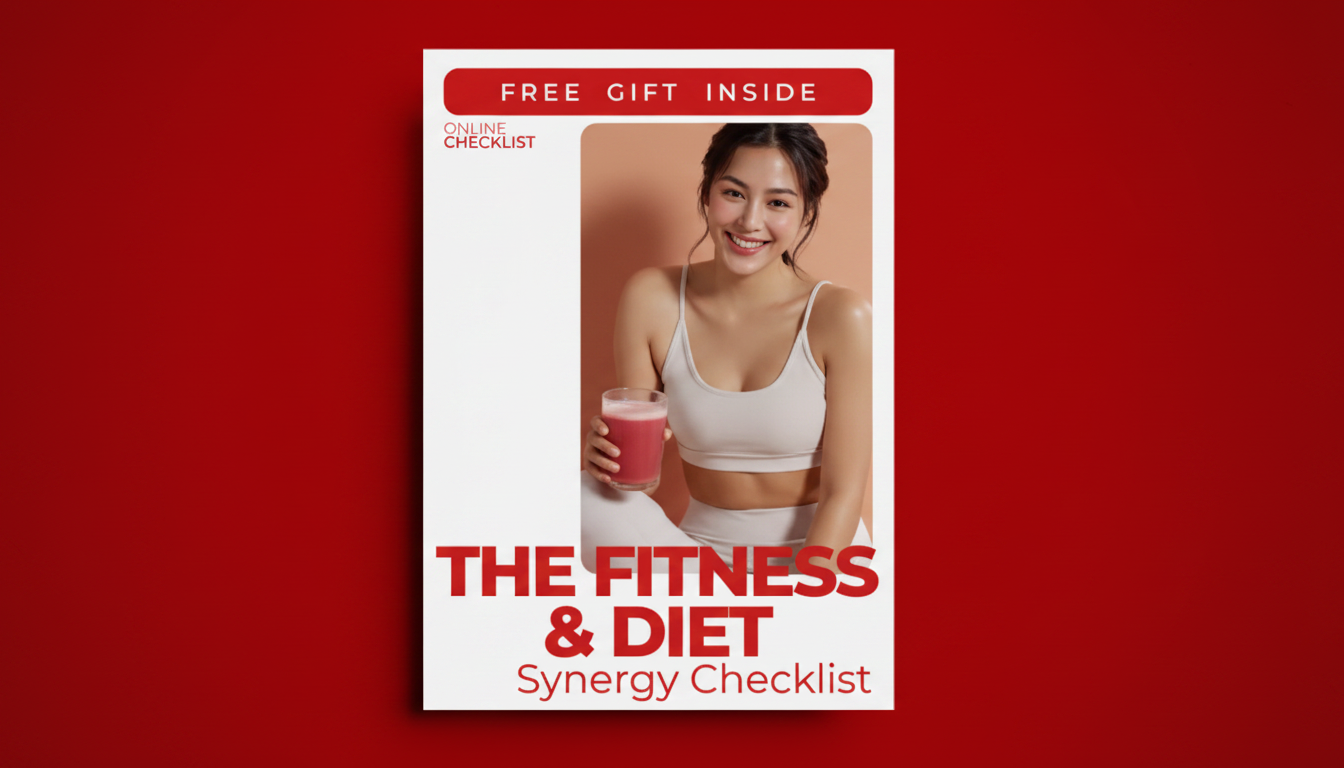
What to put in a wellness planner?
A wellness planner works best when it captures a few high-impact habits you can actually maintain. Instead of trying to track everything, set it up to connect daily actions (movement, meals, sleep, and stress) with weekly review points. That way, your planner becomes a practical dashboard, not a guilt log.
Wellness planner essentials to include
1) Goals and “why” statements
Add one or two clear goals for the next 4–8 weeks (example: “walk 8,000 steps most days” or “cook at home 4 nights/week”). Under each, write a simple reason that matters to you (energy, confidence, lab numbers, training for an event). This makes it easier to stay consistent when motivation dips.
2) Weekly schedule and priorities
Block space for workouts, meal planning, and recovery the same way you would for meetings. Include a short “top 3 priorities” list for the week so wellness supports your life instead of competing with it.
3) Movement tracking that fits your routine
Choose 2–4 movement metrics: planned workouts, steps, mobility minutes, or strength sessions. Add a checkbox for “warm-up” and “cool-down” if skipping them is a common issue.
4) Nutrition and hydration notes
Keep this simple: meal plan ideas, grocery list space, and a quick way to note protein/produce servings or water intake. If you prefer flexibility, track “meal quality” (balanced, okay, off-plan) rather than calories.
5) Sleep and recovery
Include bedtime/wake time, total sleep, and a 1–5 sleep quality rating. Add a line for recovery tools like stretching, rest days, or light walks—recovery is part of progress.
6) Stress, mood, and self-care
Track stress level, mood, and one self-care action per day (journaling, breathing, time outside, social connection). This helps you spot patterns between stress and habits like snacking or skipping workouts.
7) Weekly reflection and adjustments
Reserve a small section for wins, challenges, and one adjustment for next week. For a more structured approach that combines fitness and diet into a cohesive routine, use the checklist format in this fitness and diet synergy weekly routine planner guide.
FAQ
How do I keep a wellness planner from feeling overwhelming?
Track only a handful of metrics for 2–3 weeks, then add or remove sections based on what actually helps. Consistency with a simple setup beats a perfect planner you don’t use.
Recommended for you



Why You Fear Being Judged (and What Drives It)
Jul 11, 2026










Leave a comment