-
Shop
- Advanced Technologies
- AI Skills
- Bathroom
- Best-Sellers
- Car Accessories
- Confidence
- Dating & Social Skills
- Digital Resources
- AI & Technology
- Beauty
- Budgeting & Saving
- Car Buying & Ownership
- Cozy Feast Collection
- Electronics & Technology
- Entrepreneurship & Business Growth
- Financial Education
- Financial Independence
- Financial Mindset & Psychology
- Goal Setting
- Home Styling & Organization
- Kitchen & Recipes
- Leadership
- Mindfulness
- Mindset
- Online Business
- Parenting & Child Development
- Personal Style & Fashion
- Pet Lifestyle & Wellness
- Positive Thinking
- Sleep Improvement
- Smart Life with AI
- Stress Management & Relaxation
- Travel Planning
- Wellness
- Yoga & Fitness
- Yoga & Mind-Body Practices
- Education & Learning
- Family & Parenting
- Fashion
- Accessories
- Alexander McQueen
- Bags
- Bags & Wallets
- Balenciaga
- Belts
- Blazers
- Bottega Veneta
- Bottoms
- Brunello Cucinelli
- Burberry
- Chanel
- Chloé
- Dior
- Dolce & Gabbana
- Dresses
- Etro
- Fendi
- Gucci
- Hats & Hair Accessories
- Hoodies & Sweatshirts
- Jacquemus
- Jewelry
- Jil Sander
- Kiton
- Luggage
- Miu Miu
- Off-White
- Outerwear
- Prada
- Rick Owens
- Saint Laurent
- Shoes
- Socks & Tights
- Sweaters & Cardigans
- The Row
- Tom Ford
- Tops & Shirts
- Valentino
- Valentino Garavani
- Versace
- Vivienne Westwood
- Watches
- Fashion Accessories
- Furniture
- Gadgets
- Health & Beauty
- Health & Wellness
- Home & Garden
- Home Decor
- Home Electronics
- Home Supplies
- Kids & Babies
- Kitchen
- Kitchen Best-Sellers
- Lighting
- Patio, Lawn & Garden
- Personal Growth
- Pet Care
- Pet Supplies
- Pets
- Sport & Outdoors
- Super Deals
- Travel
- Travel & Adventure
- Wealth
- Popular
- Best deals
21-Inch Gas Push Mower: 3-in-1 Mulch/Bag/Discharge
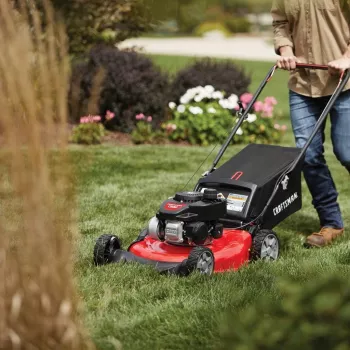
Gas Powered Lawn Mower Basics: Why a 21-Inch 3-in-1 Push Mower Fits Many Yards
A dependable push mower balances cutting width, engine power, and clipping control without adding unnecessary complexity. A 21-inch gas powered 3-in-1 mower pairs a practical deck size with mulching, side discharge, and bagging options—useful for switching between weekly maintenance, fast cleanup, and leaf-heavy seasons. With a 140cc-class engine, the goal is straightforward: steady blade speed for clean, even cuts when mowing is kept on a reasonable schedule.
What the 21-inch 3-in-1 setup is designed to handle
- Efficient coverage without feeling oversized: A 21-inch deck covers more ground per pass than compact decks while still fitting typical gates and storage spaces.
- Three ways to manage clippings: Mulch for routine feeding, bag for a tidier finish, or side discharge for faster cutting in heavier growth.
- Push (non-self-propelled) simplicity: A push layout tends to be lighter and avoids the extra drivetrain maintenance that can come with self-propelled systems—especially appealing for flatter yards and smaller lawns.
- 140cc power for residential cadence: This engine class is built for consistent performance in common turf types, particularly when you avoid letting grass get overly tall between cuts.
Key features to evaluate before choosing a gas push mower
- Engine displacement (cc): More cc generally supports better torque and recovery in thicker grass. Match the engine to how fast your lawn grows and how often you plan to mow.
- Deck width: A 21-inch deck is a popular “middle ground” that stays maneuverable around beds and trees without taking forever on open runs.
- Mulching performance: The deck shape and blade design matter. Better mulchers recut clippings into finer pieces instead of leaving windrows.
- Bagging capacity and airflow: Good airflow fills the bag more evenly and can reduce clogging, which means fewer stops.
- Cut height adjustment range: Multiple positions help handle seasonal changes, overseeding windows, and shade-stressed turf that benefits from a slightly higher cut.
- Maintenance access: Easy oil checks/changes, quick air filter access, and straightforward spark plug service can make long-term ownership much smoother.
Mulch vs bag vs side discharge: when each mode makes sense
- Mulching: Best for regular weekly cuts. It returns fine clippings to the lawn, which helps recycle nutrients and reduces what you have to haul away.
- Bagging: Ideal for a cleaner look, allergy-sensitive households, post-dethatching cleanup, and leaf pickup when you want the yard to look “finished.”
- Side discharge: Helpful during peak growth or when grass is slightly taller than ideal. It prioritizes throughput over polish, especially if you’re catching up after rain.
- Tip for better results: Try not to remove more than about one-third of the blade height in a single mow to reduce clumping and strain.
Performance and lawn-size fit: what 140cc can realistically do
A 140cc push mower is commonly a strong match for small to mid-size lawns where mowing stays consistent. If your yard grows fast, gets irrigated heavily, or includes patches of thick grass, performance is still workable—just plan to adjust technique rather than forcing the mower through conditions that invite bogging.
| Yard conditions | Recommended mode | Best practice for clean results |
|---|---|---|
| Weekly mowing, normal growth | Mulch | Keep blade sharp; mow when dry |
| Fast growth or slightly tall grass | Side discharge | Raise height one notch; slow pace |
| Leaves or desire for a tidy finish | Bag | Mow in two directions; empty bag before it overpacks |
| Thick grass patches | Mulch or side discharge | Avoid cutting more than one-third; overlap passes |
Setup, operation, and seasonal care
Safety and comfort checks that matter on day one
For additional guidance, review the CPSC lawn mower safety recommendations and practical mowing habits from Penn State Extension. For engine-related context, the U.S. EPA small spark-ignition engine regulations page is a helpful reference.
Product snapshot: 21-inch 3-in-1 mulching push mower with bag (140cc)
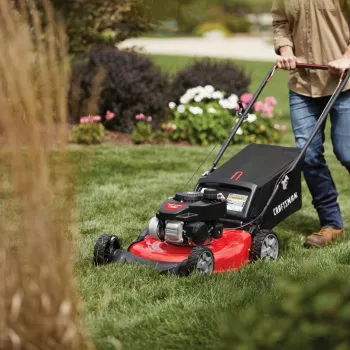
21-inch 3-in-1 gas powered push mower with bag (140cc)
Related in-stock items
- Gas Powered Lawn Mower, 21-Inch 3-in-1 Mulching Push Mower with Bag, 140cc
- AI for Small Business Toolkit – 5-in-1 Digital Download Bundle (useful for organizing a simple maintenance schedule or a small lawn-care side hustle)
- Choosing the Right Payment Solution for Your Business: Stripe vs Square Which Is Better – Complete eBook Guide for Small Business Owners
FAQ
How many cc should a push mower have?
Many residential push mowers land roughly in the 125cc–190cc range, with higher cc helping more in thick growth and during catch-up mowing. Lawn size, grass density, and how often you mow matter as much as the number itself; a 140cc mower is commonly suitable for routine mowing when you keep a steady schedule.
How many HP is a 200CC lawn mower?
Horsepower varies by engine design and operating RPM, so the same displacement can rate differently across models. A 200cc mower engine is often in the general neighborhood of about 5–7 HP, but real-world cutting performance is better judged by torque feel, blade speed maintenance, and results in thick grass.
What is the best lawn mower for mulching?
The best mulching mower is one with a deck and blade designed to recut clippings efficiently, plus a sharp blade and proper mowing height for the season. A 3-in-1 mower is advantageous because you can mulch most weeks and switch to bagging or side discharge when grass is tall or leaves are heavy; mowing dry grass and avoiding overly aggressive cuts helps prevent clumping.














Leave a comment