-
Shop
- Advanced Technologies
- AI Skills
- Bathroom
- Best-Sellers
- Car Accessories
- Confidence
- Dating & Social Skills
- Digital Resources
- AI & Technology
- Beauty
- Budgeting & Saving
- Car Buying & Ownership
- Cozy Feast Collection
- Electronics & Technology
- Entrepreneurship & Business Growth
- Financial Education
- Financial Independence
- Financial Mindset & Psychology
- Goal Setting
- Home Styling & Organization
- Kitchen & Recipes
- Leadership
- Mindfulness
- Mindset
- Online Business
- Parenting & Child Development
- Personal Style & Fashion
- Pet Lifestyle & Wellness
- Positive Thinking
- Sleep Improvement
- Smart Life with AI
- Stress Management & Relaxation
- Travel Planning
- Wellness
- Yoga & Fitness
- Yoga & Mind-Body Practices
- Education & Learning
- Family & Parenting
- Fashion
- Accessories
- Alexander McQueen
- Bags
- Bags & Wallets
- Balenciaga
- Belts
- Blazers
- Bottega Veneta
- Bottoms
- Brunello Cucinelli
- Burberry
- Chanel
- Chloé
- Dior
- Dolce & Gabbana
- Dresses
- Etro
- Fendi
- Gucci
- Hats & Hair Accessories
- Hoodies & Sweatshirts
- Jacquemus
- Jewelry
- Jil Sander
- Kiton
- Luggage
- Miu Miu
- Off-White
- Outerwear
- Prada
- Rick Owens
- Saint Laurent
- Shoes
- Socks & Tights
- Sweaters & Cardigans
- The Row
- Tom Ford
- Tops & Shirts
- Valentino
- Valentino Garavani
- Versace
- Vivienne Westwood
- Watches
- Fashion Accessories
- Furniture
- Gadgets
- Health & Beauty
- Health & Wellness
- Home & Garden
- Home Decor
- Home Electronics
- Home Supplies
- Kids & Babies
- Kitchen
- Kitchen Best-Sellers
- Lighting
- Patio, Lawn & Garden
- Personal Growth
- Pet Care
- Pet Supplies
- Pets
- Sport & Outdoors
- Super Deals
- Travel
- Travel & Adventure
- Wealth
- Popular
- Best deals
Container Gardening for Beginners: Simple Tips That Work
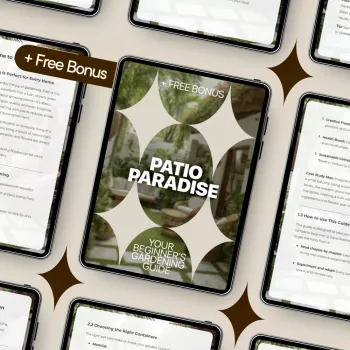
What are some beginner tips for a container garden?
Container gardening is one of the easiest ways to start growing flowers, herbs, or vegetables because it lets you control the soil, placement, and watering. A few smart basics up front can save time and help plants thrive.
Start with the right container (and drainage)
Choose pots with drainage holes so excess water can escape. If you’re using decorative cachepots, keep the plant in a nursery pot inside and empty any standing water after watering. Size matters: small pots dry out fast, while larger containers hold moisture longer and give roots room to grow.
Use quality potting mix, not garden soil
Fill containers with a light, well-draining potting mix. Garden soil compacts in pots, which can suffocate roots and lead to poor growth. For edibles, consider a mix labeled for vegetables or raised beds, and refresh with compost each season.
Match plants to sunlight
Before buying plants, note how much direct sun your space gets. Most tomatoes and peppers want 6–8 hours of sun, while leafy greens and many herbs can handle partial sun. Place containers on wheeled caddies or trays so you can adjust positioning as the season changes.
Water consistently and check daily in heat
Containers dry out faster than in-ground beds. Water when the top inch of soil feels dry, and water deeply until it drains from the bottom. In hot or windy weather, you may need to water daily—especially for hanging baskets and smaller pots.
Feed lightly but regularly
Nutrients wash out of containers over time, so use a slow-release fertilizer or a liquid feed every couple of weeks (follow the label). If leaves turn pale or growth stalls, it’s often a sign plants need more nutrition.
Keep it simple with easy starters
Try basil, mint (in its own pot), chives, lettuce, marigolds, or compact cherry tomatoes. Fewer plant types in the first round makes it easier to learn what your space supports.
For more detailed guidance and practical ideas, visit the full container gardening guide.
FAQ
What vegetables are easiest to grow in pots?
Leafy greens, herbs, radishes, bush beans, and compact cherry tomatoes are reliable choices. Pick varieties labeled “patio,” “dwarf,” or “container” for better results in limited space.











Leave a comment