-
Shop
- Advanced Technologies
- AI Skills
- Bathroom
- Best-Sellers
- Car Accessories
- Confidence
- Dating & Social Skills
- Digital Resources
- AI & Technology
- Beauty
- Budgeting & Saving
- Car Buying & Ownership
- Cozy Feast Collection
- Electronics & Technology
- Entrepreneurship & Business Growth
- Financial Education
- Financial Independence
- Financial Mindset & Psychology
- Goal Setting
- Home Styling & Organization
- Kitchen & Recipes
- Leadership
- Mindfulness
- Mindset
- Online Business
- Parenting & Child Development
- Personal Style & Fashion
- Pet Lifestyle & Wellness
- Positive Thinking
- Sleep Improvement
- Smart Life with AI
- Stress Management & Relaxation
- Travel Planning
- Wellness
- Yoga & Fitness
- Yoga & Mind-Body Practices
- Education & Learning
- Family & Parenting
- Fashion
- Accessories
- Alexander McQueen
- Bags
- Bags & Wallets
- Balenciaga
- Belts
- Blazers
- Bottega Veneta
- Bottoms
- Brunello Cucinelli
- Burberry
- Chanel
- Chloé
- Dior
- Dolce & Gabbana
- Dresses
- Etro
- Fendi
- Gucci
- Hats & Hair Accessories
- Hoodies & Sweatshirts
- Jacquemus
- Jewelry
- Jil Sander
- Kiton
- Luggage
- Miu Miu
- Off-White
- Outerwear
- Prada
- Rick Owens
- Saint Laurent
- Shoes
- Socks & Tights
- Sweaters & Cardigans
- The Row
- Tom Ford
- Tops & Shirts
- Valentino
- Valentino Garavani
- Versace
- Vivienne Westwood
- Watches
- Fashion Accessories
- Furniture
- Gadgets
- Health & Beauty
- Health & Wellness
- Home & Garden
- Home Decor
- Home Electronics
- Home Supplies
- Kids & Babies
- Kitchen
- Kitchen Best-Sellers
- Lighting
- Patio, Lawn & Garden
- Personal Growth
- Pet Care
- Pet Supplies
- Pets
- Sport & Outdoors
- Super Deals
- Travel
- Travel & Adventure
- Wealth
- Popular
- Best deals
Vet-Recommended Dog Dental Care: Brushing to Cleanings
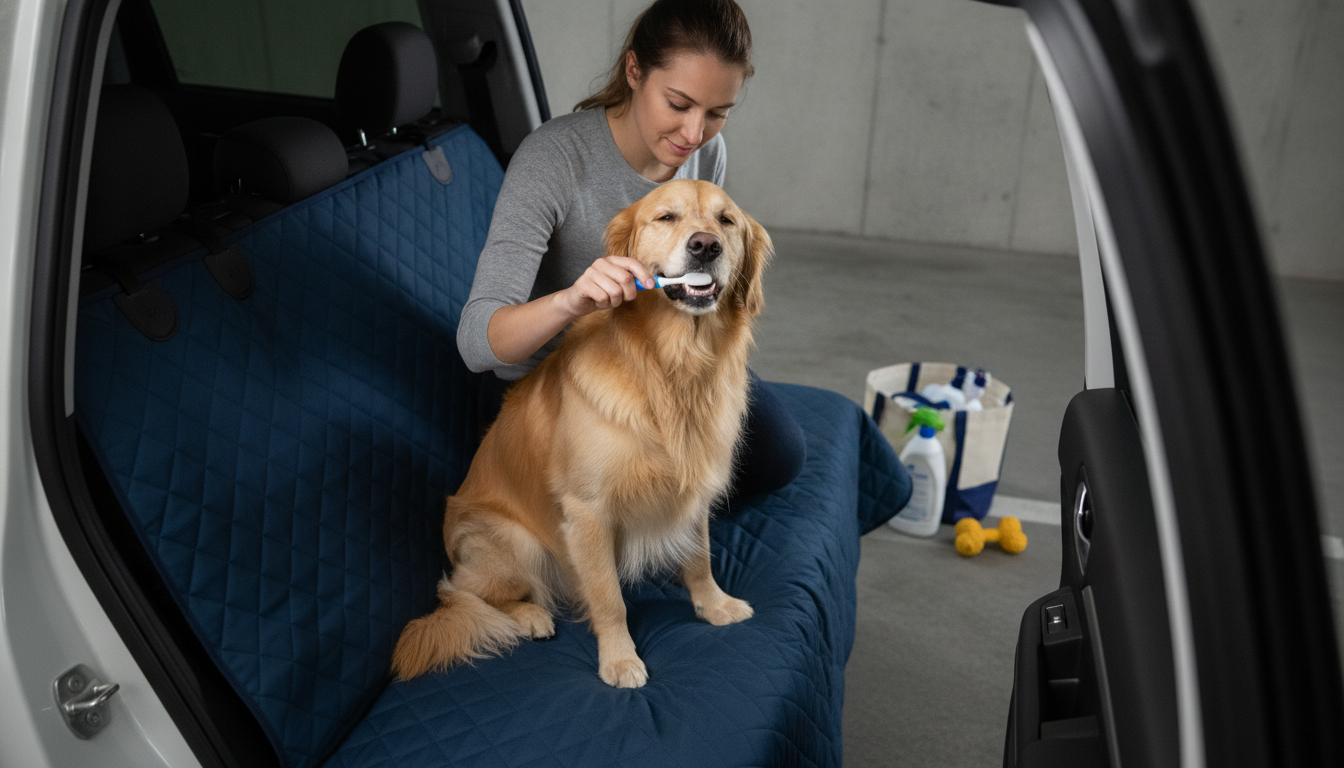
What do vets recommend for dental care for dogs?
Vets typically recommend a simple, consistent dental routine that combines at-home care with regular professional checkups. The goal is to limit plaque and tartar buildup, reduce gum inflammation, and prevent painful dental disease that can affect a dog’s overall health.
1) Brush your dog’s teeth regularly
Most veterinarians consider toothbrushing the most effective at-home dental care. Use a dog-specific toothbrush (or finger brush) and enzymatic dog toothpaste—never human toothpaste, which can be harmful if swallowed. Start slowly, aim for daily brushing if possible, and focus on the outer surfaces of the teeth where tartar commonly accumulates.
2) Choose vet-approved dental products
Dental chews, water additives, and gels can help, especially for dogs that resist brushing. Look for products accepted by the Veterinary Oral Health Council (VOHC), since those have evidence supporting plaque and/or tartar reduction. Treats and chews should be appropriately sized and not so hard that they risk cracking teeth.
3) Feed with oral health in mind
Diet can play a supporting role. Some veterinary dental diets and specially designed kibbles help mechanically reduce plaque as dogs chew. If your dog has a history of dental disease, ask your vet whether a dental-focused diet is a good fit.
4) Schedule professional dental cleanings when needed
Even with great home care, many dogs still need professional cleanings. Veterinarians assess gum health, tooth stability, and breath, and may recommend an anesthetic dental cleaning that allows thorough scaling and polishing, plus dental X-rays to detect problems below the gumline. The ideal frequency varies by age, breed, and prior dental findings.
5) Watch for warning signs
Bad breath, red or bleeding gums, visible tartar, drooling, pawing at the mouth, dropping food, or one-sided chewing can signal dental pain or infection. Prompt evaluation can prevent complications and tooth loss.
For a deeper breakdown of daily routines, product types, and cleaning expectations, visit the full guide: What do vets recommend for dental care for dogs?
FAQ
How often should a dog get a professional dental cleaning?
Many dogs benefit from a veterinary dental evaluation at least once a year, but cleanings may be needed more or less often depending on tartar buildup, gum health, breed, and age. Your vet can recommend a schedule based on an oral exam and, when indicated, dental X-rays.
















Leave a comment