-
Shop
- Advanced Technologies
- AI Skills
- Bathroom
- Best-Sellers
- Car Accessories
- Confidence
- Dating & Social Skills
- Digital Resources
- AI & Technology
- Beauty
- Budgeting & Saving
- Car Buying & Ownership
- Cozy Feast Collection
- Electronics & Technology
- Entrepreneurship & Business Growth
- Financial Education
- Financial Independence
- Financial Mindset & Psychology
- Goal Setting
- Home Styling & Organization
- Kitchen & Recipes
- Leadership
- Mindfulness
- Mindset
- Online Business
- Parenting & Child Development
- Personal Style & Fashion
- Pet Lifestyle & Wellness
- Positive Thinking
- Sleep Improvement
- Smart Life with AI
- Stress Management & Relaxation
- Travel Planning
- Wellness
- Yoga & Fitness
- Yoga & Mind-Body Practices
- Education & Learning
- Family & Parenting
- Fashion
- Accessories
- Alexander McQueen
- Bags
- Bags & Wallets
- Balenciaga
- Belts
- Blazers
- Bottega Veneta
- Bottoms
- Brunello Cucinelli
- Burberry
- Chanel
- Chloé
- Dior
- Dolce & Gabbana
- Dresses
- Etro
- Fendi
- Gucci
- Hats & Hair Accessories
- Hoodies & Sweatshirts
- Jacquemus
- Jewelry
- Jil Sander
- Kiton
- Luggage
- Miu Miu
- Off-White
- Outerwear
- Prada
- Rick Owens
- Saint Laurent
- Shoes
- Socks & Tights
- Sweaters & Cardigans
- The Row
- Tom Ford
- Tops & Shirts
- Valentino
- Valentino Garavani
- Versace
- Vivienne Westwood
- Watches
- Fashion Accessories
- Furniture
- Gadgets
- Health & Beauty
- Health & Wellness
- Home & Garden
- Home Decor
- Home Electronics
- Home Supplies
- Kids & Babies
- Kitchen
- Kitchen Best-Sellers
- Lighting
- Patio, Lawn & Garden
- Personal Growth
- Pet Care
- Pet Supplies
- Pets
- Sport & Outdoors
- Super Deals
- Travel
- Travel & Adventure
- Wealth
- Popular
- Best deals
Magic Mulch Uses: Weed Control, Moisture & Clean Beds
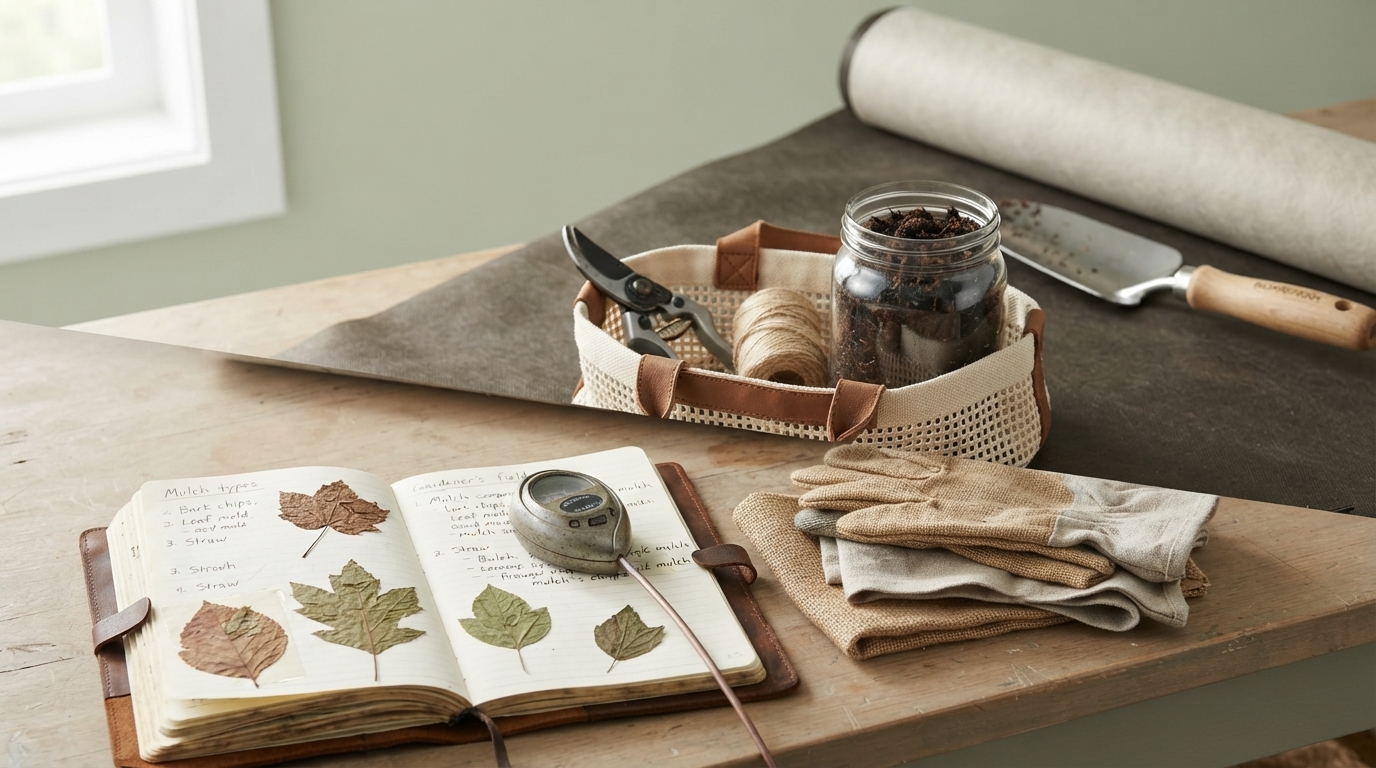
What is magic mulch used for?
“Magic mulch” is commonly used as an all-in-one ground cover that helps suppress weeds, reduce soil moisture loss, and give garden beds a clean, finished look with less day-to-day upkeep. It’s a practical choice for homeowners who want the benefits of mulch—tidier landscaping, healthier roots, and fewer weeds—without constantly reapplying or fighting blow-away material.
Weed suppression in garden beds and around shrubs
One of the most popular uses for magic mulch is limiting weed growth. By forming a dense layer over the soil, it blocks sunlight that weed seeds need to sprout. Used around shrubs, perennials, and borders, it can reduce how often you need to hand-pull weeds or rely on spot treatments.
Moisture retention and more even soil conditions
Magic mulch is also used to help the soil hold moisture longer, especially during hot or windy weather. A consistent mulch layer slows evaporation, which can mean less frequent watering and fewer swings between overly dry and overly wet soil. That steadier moisture level is helpful for shallow-rooted plants and new plantings.
Temperature buffering for plant roots
Mulch acts like insulation. Magic mulch is used to moderate soil temperature—helping keep roots cooler during summer heat and offering some protection during cold snaps. This can reduce stress on plants and support more consistent growth through changing seasons.
Cleaner, more finished landscaping
Beyond plant health, many people use magic mulch for appearance. It can visually unify beds, define edges, and reduce muddy splashback onto lower leaves during rain or irrigation. When applied evenly at the right depth, it creates a neat, intentional look around walkways, trees, and foundation plantings.
Getting the depth and placement right
Magic mulch works best when spread in an even layer and kept a few inches away from plant stems and tree trunks to prevent excess moisture against bark. For practical depth guidance and options by mulch type, see the full guide here: Mulch Magic: Depth, Types, and Tips for Fewer Weeds.
FAQ
How often should mulch be replaced?
Most organic mulches are topped off as they break down, often once or twice per year depending on weather and material. Refresh the layer when it thins out and weeds start finding light, but avoid piling it deeper than recommended.















Leave a comment