-
Shop
- Advanced Technologies
- AI Skills
- Bathroom
- Best-Sellers
- Car Accessories
- Confidence
- Dating & Social Skills
- Digital Resources
- AI & Technology
- Beauty
- Budgeting & Saving
- Car Buying & Ownership
- Cozy Feast Collection
- Electronics & Technology
- Entrepreneurship & Business Growth
- Financial Education
- Financial Independence
- Financial Mindset & Psychology
- Goal Setting
- Home Styling & Organization
- Kitchen & Recipes
- Leadership
- Mindfulness
- Mindset
- Online Business
- Parenting & Child Development
- Personal Style & Fashion
- Pet Lifestyle & Wellness
- Positive Thinking
- Sleep Improvement
- Smart Life with AI
- Stress Management & Relaxation
- Travel Planning
- Wellness
- Yoga & Fitness
- Yoga & Mind-Body Practices
- Education & Learning
- Family & Parenting
- Fashion
- Accessories
- Alexander McQueen
- Bags
- Bags & Wallets
- Balenciaga
- Belts
- Blazers
- Bottega Veneta
- Bottoms
- Brunello Cucinelli
- Burberry
- Chanel
- Chloé
- Dior
- Dolce & Gabbana
- Dresses
- Etro
- Fendi
- Gucci
- Hats & Hair Accessories
- Hoodies & Sweatshirts
- Jacquemus
- Jewelry
- Jil Sander
- Kiton
- Luggage
- Miu Miu
- Off-White
- Outerwear
- Prada
- Rick Owens
- Saint Laurent
- Shoes
- Socks & Tights
- Sweaters & Cardigans
- The Row
- Tom Ford
- Tops & Shirts
- Valentino
- Valentino Garavani
- Versace
- Vivienne Westwood
- Watches
- Fashion Accessories
- Furniture
- Gadgets
- Health & Beauty
- Health & Wellness
- Home & Garden
- Home Decor
- Home Electronics
- Home Supplies
- Kids & Babies
- Kitchen
- Kitchen Best-Sellers
- Lighting
- Patio, Lawn & Garden
- Personal Growth
- Pet Care
- Pet Supplies
- Pets
- Sport & Outdoors
- Super Deals
- Travel
- Travel & Adventure
- Wealth
- Popular
- Best deals
What Dog Breed Is Best Behaved? Top Choices and Tips
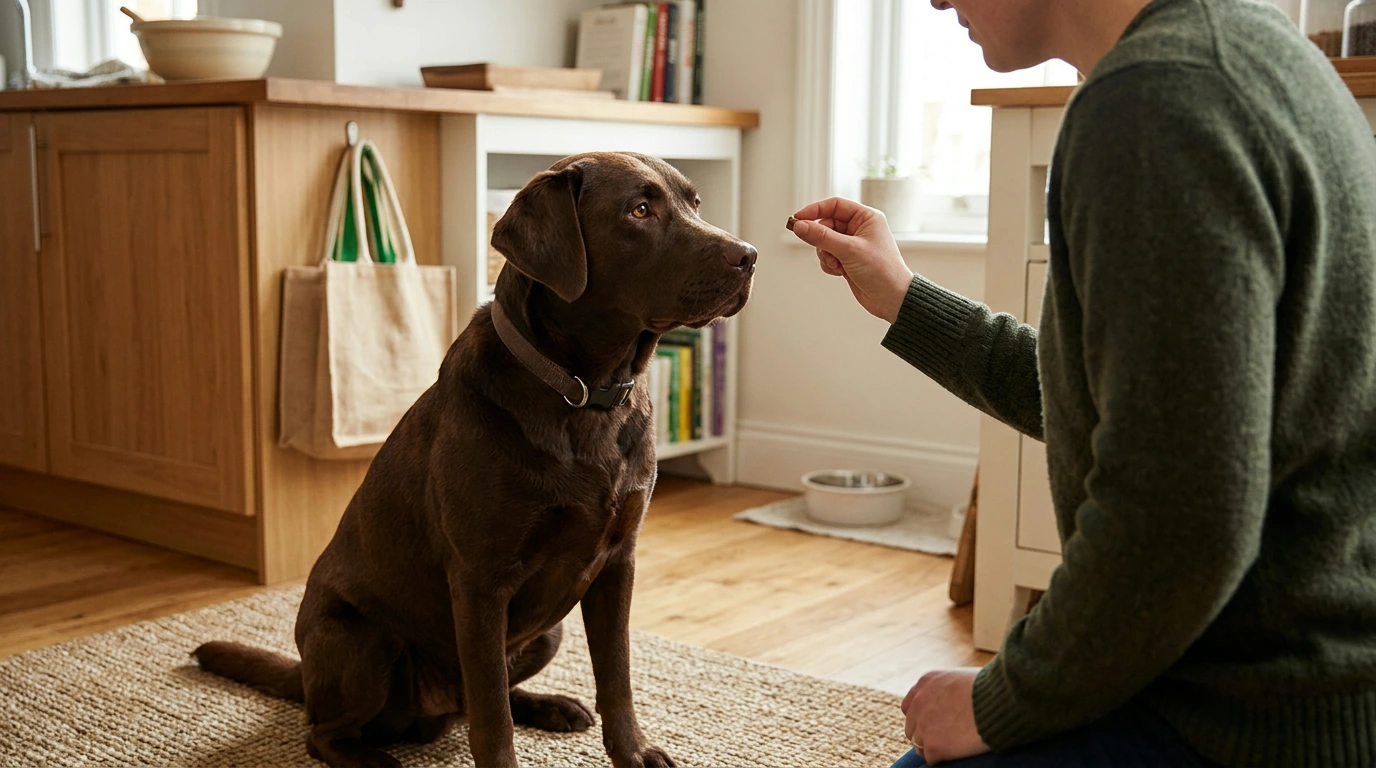
What dog breed is best behaved?
The Labrador Retriever is a strong choice if you want a dog known for being friendly, adaptable, and responsive to training. Golden Retrievers and Poodles are also popular choices for families seeking a cooperative companion. However, no breed is automatically well behaved: individual temperament, early socialization, exercise, and consistent training all matter.
We recommend choosing a dog whose energy level and needs fit your routine, rather than relying on a breed label alone. A well-matched dog with patient guidance is more likely to develop the calm habits you want at home and in public.
Which breeds are often easier to train?
These breeds are commonly valued for their willingness to learn, though every dog is an individual:
- Labrador Retriever: Often sociable and eager to work with people, but typically needs daily exercise and training to manage its enthusiasm.
- Golden Retriever: Generally friendly and responsive to positive reinforcement. Regular activity and attention help keep this energetic breed engaged.
- Poodle: Available in several sizes and often quick to learn. Poodles benefit from mental enrichment as well as physical activity.
- Cavalier King Charles Spaniel: Often affectionate and adaptable, with a more moderate activity level than many sporting breeds.
Highly intelligent dogs are not always the easiest fit. Some learn quickly but need substantial exercise, mental challenges, and a job to do. If your schedule is busy, a calmer individual may be a better match than a particularly driven puppy.
How can you encourage good behavior?
Start with short, upbeat sessions that reward the behavior you want. Practice responding to a name, coming when called, walking on a loose leash, and settling calmly. Use small treats, praise, or a favorite toy as rewards, and give your dog regular opportunities to practice in gradually more distracting settings.
Consistency helps: agree on household rules and ask everyone to use the same cues. Introduce new people, places, and experiences gradually, without forcing an uncomfortable dog to interact. If you need help with fear, reactivity, or aggression, work with a qualified reward-based trainer or veterinary behavior professional.
For a practical approach to daily routines, explore our guide to the 10-in-1 dog training pack and calm habits. Our team recommends choosing training tools that support comfortable, reward-based practice rather than relying on punishment.
FAQ
How long does it take to train a dog?
Many dogs can begin learning simple cues within days, but reliable behavior takes consistent practice over weeks or months. Progress varies with the dog, the skill, and the environment.
Recommended for you



What Are the 10 Most Disobedient Dogs? Breed Guide
Nov 20, 2026
What Words Do Dogs Love to Hear Most?
Nov 20, 2026













Leave a comment