-
Shop
- Advanced Technologies
- AI Skills
- Bathroom
- Best-Sellers
- Car Accessories
- Confidence
- Dating & Social Skills
- Digital Resources
- AI & Technology
- Beauty
- Budgeting & Saving
- Car Buying & Ownership
- Cozy Feast Collection
- Electronics & Technology
- Entrepreneurship & Business Growth
- Financial Education
- Financial Independence
- Financial Mindset & Psychology
- Goal Setting
- Home Styling & Organization
- Kitchen & Recipes
- Leadership
- Mindfulness
- Mindset
- Online Business
- Parenting & Child Development
- Personal Style & Fashion
- Pet Lifestyle & Wellness
- Positive Thinking
- Sleep Improvement
- Smart Life with AI
- Stress Management & Relaxation
- Travel Planning
- Wellness
- Yoga & Fitness
- Yoga & Mind-Body Practices
- Education & Learning
- Family & Parenting
- Fashion
- Accessories
- Alexander McQueen
- Bags
- Bags & Wallets
- Balenciaga
- Belts
- Blazers
- Bottega Veneta
- Bottoms
- Brunello Cucinelli
- Burberry
- Chanel
- Chloé
- Dior
- Dolce & Gabbana
- Dresses
- Etro
- Fendi
- Gucci
- Hats & Hair Accessories
- Hoodies & Sweatshirts
- Jacquemus
- Jewelry
- Jil Sander
- Kiton
- Luggage
- Miu Miu
- Off-White
- Outerwear
- Prada
- Rick Owens
- Saint Laurent
- Shoes
- Socks & Tights
- Sweaters & Cardigans
- The Row
- Tom Ford
- Tops & Shirts
- Valentino
- Valentino Garavani
- Versace
- Vivienne Westwood
- Watches
- Fashion Accessories
- Furniture
- Gadgets
- Health & Beauty
- Health & Wellness
- Home & Garden
- Home Decor
- Home Electronics
- Home Supplies
- Kids & Babies
- Kitchen
- Kitchen Best-Sellers
- Lighting
- Patio, Lawn & Garden
- Personal Growth
- Pet Care
- Pet Supplies
- Pets
- Sport & Outdoors
- Super Deals
- Travel
- Travel & Adventure
- Wealth
- Popular
- Best deals
What Are the 10 Most Disobedient Dogs? Breed Guide
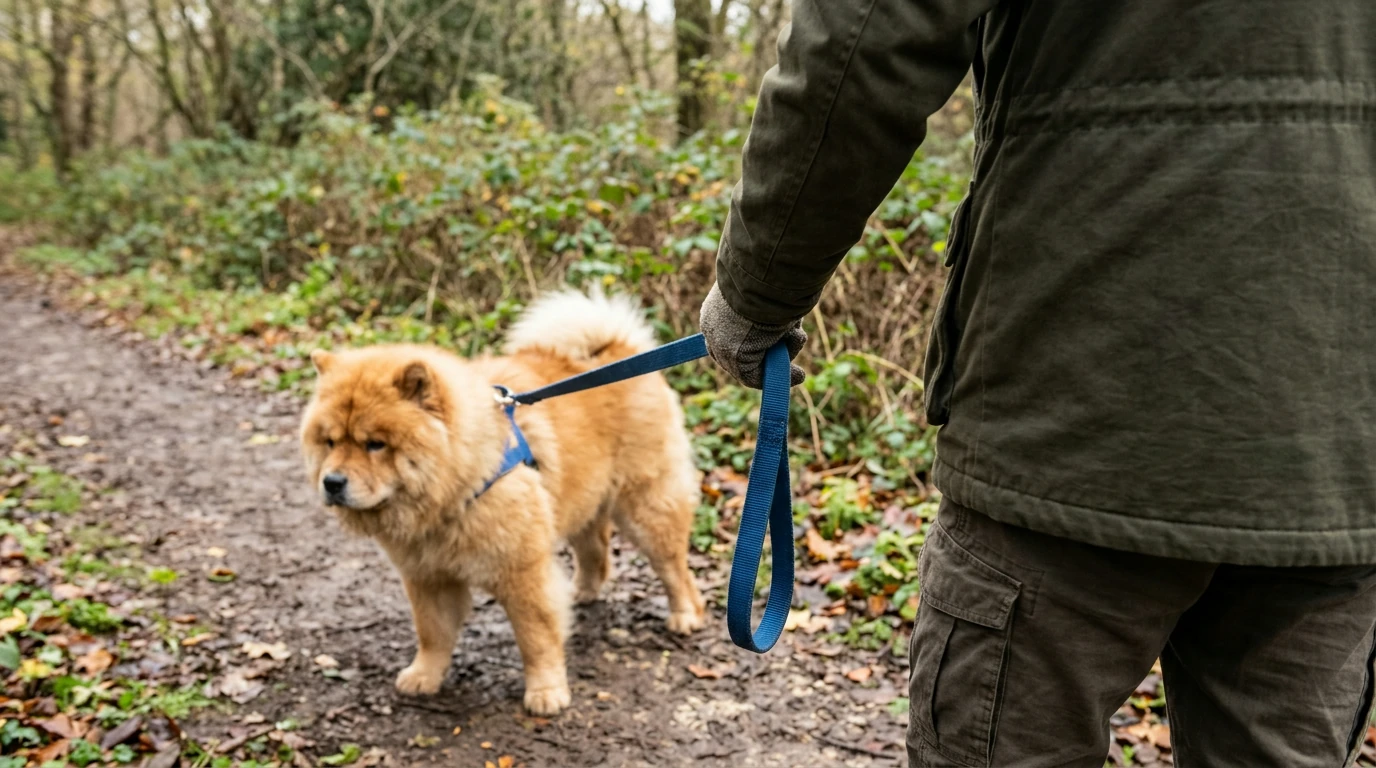
What are the 10 most disobedient dogs?
Some dogs have a reputation for ignoring cues, but “disobedient” does not mean unintelligent or impossible to train. Many independent breeds were developed to follow scents, make decisions at a distance, or work without constant direction. If you live with one, short, rewarding practice sessions can help you build cooperation.
Here are 10 breeds often described as independent or challenging to train. Individual temperament, early socialization, and your training approach matter as much as breed.
1. Afghan Hound
Afghan Hounds are independent sighthounds that may decide chasing is more interesting than responding. Practice recall in a securely fenced area and reward your dog generously for returning.
2. Basenji
Curious and self-directed, Basenjis can lose interest in repetitive drills. Keep sessions brief, use appealing rewards, and give your dog safe outlets for exploration.
3. Beagle
A compelling scent can quickly distract a Beagle. Use a secure leash outdoors and practice attention cues before moving to more distracting environments.
4. Bloodhound
Bloodhounds are persistent scent followers with a strong independent streak. Start recall training in a low-distraction space, and use a leash or fenced area when scents are likely to compete for attention.
5. Chow Chow
Chow Chows can be reserved and selective about following directions. Patient, reward-based training and early, positive social experiences help build trust.
6. Siberian Husky
Huskies are energetic and inclined to explore. Combine consistent cue practice with suitable daily exercise, and use secure fencing rather than relying on recall alone.
7. Dachshund
Bold Dachshunds may persist with their own plans. Reward small successes and keep training playful to maintain their interest.
8. Jack Russell Terrier
These lively terriers can be quick learners and determined problem-solvers. Use games and short training sessions to channel their energy into useful behaviors.
9. Basset Hound
Basset Hounds may follow their noses at their own pace. Food rewards and patient repetition can make practicing cues worthwhile for them.
10. Shiba Inu
Shiba Inus are often independent and may be particular about what motivates them. Build a reliable routine and practice recall safely on a leash or in an enclosed space.
How can you encourage better listening?
Reward the behavior you want, practice consistently, and gradually add distractions. Our team recommends making calm habits part of your daily routine; explore our guide to the 10-in-1 dog training pack for more ideas.
FAQ
Are independent dogs harder to train?
They can require more patience and motivation, especially when distractions are present. Find rewards your dog values and practice in short sessions that set you both up for success.
Recommended for you


What Dog Breed Is Best Behaved? Top Choices and Tips
Nov 20, 2026













Leave a comment